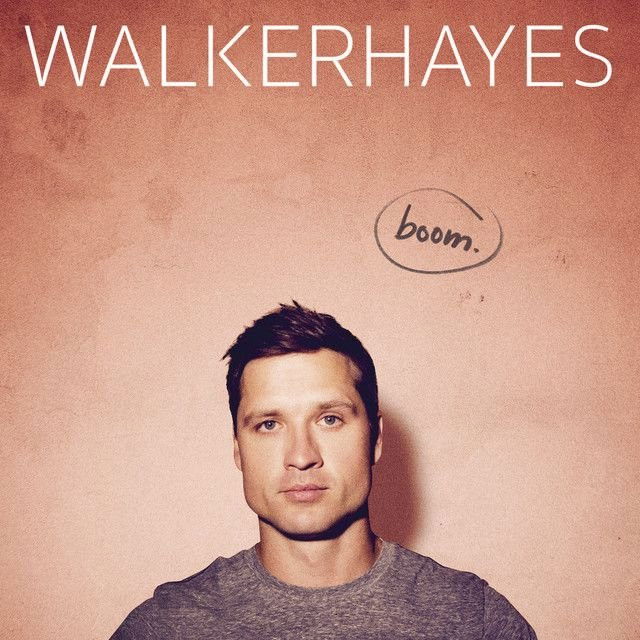
Why 'You Broke Up with Me' Hits So Hard
The meaning of You Broke up with Me Walker Hayes comes down to one sharp idea: an ex does not get to end a relationship and then complain when the other person starts enjoying life again. That simple setup gives the song its bite, humor, and replay value.
"You Broke up with Me" - Walker Hayes
Surfin' the room like Swazye
No, I ain't drunk, I'm amazing
Loading lyrics...
Unable to load lyrics
We're unable to display the lyrics at this time. Please try again later.
Walker Hayes turned that situation into a breakup song that sounds less like crying in the car and more like reclaiming the dance floor. It is funny on the surface, but there is also a real emotional point underneath the swagger.
The Real Message Behind the Sass
At its core, the song is about boundaries after a breakup. The narrator sees an ex trying to re-enter the picture with regret, jealousy, or confusion. Instead of reopening the wound, they answer with one blunt fact: you broke up with me
.
That repeated line matters because it is not just a complaint. It is a reset of responsibility. The singer is saying, in effect, that they are no longer required to stay sad just to make the ex feel comfortable.
Interpretation: The song is not only about moving on. It is also about refusing emotional revisionism. The ex wants the freedom of breaking up without the pain of watching the other person recover.

Watch the official You Broke up with Me
music video
A Breakup Timeline in Three Quick Beats
The story moves fast, but it is clear:
- The narrator is out, energized, and acting unbothered.
- The ex shows up with mixed signals and guilt.
- The narrator shuts that down and keeps moving.
That is why phrases like crash my party
and guilt trippin'
work so well. They turn an awkward emotional moment into a scene everyone can picture. The ex is not framed as romantic. They are framed as someone interrupting a hard-won good time.
Why the Chorus Lands Like a Mic Drop
The chorus is catchy because it sounds conversational, almost obvious. But that is its genius. Hayes and his co-writers built the hook around a statement so plain that it becomes devastating.
When the narrator says the ex cannot interfere now, the song turns breakup pain into accountability. A short phrase like good as gold
sells that new confidence, even if it may be a little exaggerated.
Interpretation: Part of the fun is that listeners can hear both truth and performance in the delivery. He may really feel better, or he may be trying very hard to look better. Either way, the line works.
The Images That Make the Song Feel Alive
The lyrics use party language to express freedom. References to bourbon, dancing, swagger, and a Mardi Gras parade
create a world where heartbreak gets answered with noise, motion, and public energy.
Those images matter because they reject the usual breakup script. Instead of sitting alone and reflecting, the narrator is in motion. The song treats recovery like a parade no one else gets to stop.
There is also a touch of pettiness in lines about getting lost on the dance floor or ending up in somebody else’s arms. That detail gives the song its edge. It is not just healing. It is healing where the ex can see it.
How Walker Hayes' Style Shapes the Meaning
Hayes has often blended country storytelling with pop rhythm and talk-sung phrasing. That style is central here. According to American Songwriter, the song was written by Walker Hayes, Kylie Sackley, and Thomas Archer, produced by Shane McAnally, and first appeared on Hayes' Spotify EP 8Track, Volume 1: Good Shit before becoming a breakout single (American Songwriter).
That background helps explain the song's sound. Sackley described it as super sassy
and noted that the writers fought for unusual phrasing and inner rhymes, which is easy to hear in the song's clipped, playful flow (American Songwriter).
Why the Production Feels So Cocky
Production is a big part of the song's meaning. The beat is tight and pop-leaning, while the guitars keep one foot in country. The result is upbeat but slightly off-center, matching a narrator who sounds confident while maybe trying a bit too hard.
There is a lived-in feel to it too. American Songwriter notes that early room noise from the writing session was kept near the start, with background voices from the co-write still audible if listeners pay attention (American Songwriter). That detail adds spontaneity. It makes the song feel like a real reaction, not a polished speech.
Two Strong Ways to Read the Song
Reading One: A clean anthem of moving on
This is the most direct reading. The singer has accepted the breakup and wants the ex to accept it too. In this version, the song is about self-respect, social freedom, and emotional closure.
Reading Two: Confidence with a crack in it
Interpretation: The louder the narrator insists they are fine, the more some listeners may hear a bruise underneath. A phrase like forget you on
sounds playful, but it also suggests effort. They are moving on, yes, but maybe not as effortlessly as they claim.
That tension is part of what makes the song smart. It can be a victory lap and a defense mechanism at the same time.
Why the Song Still Connects
The meaning of You Broke up with Me Walker Hayes stays relatable because the situation is common. Many people have experienced the strange moment when an ex wants distance first, then reacts badly once they see that distance working.
Hayes turned that moment into a witty, hook-heavy song that feels modern, messy, and very human. It is funny enough for a party playlist, but specific enough to say something real about pride, regret, and the politics of moving on.
Disclaimer: This interpretation is based on the released lyrics, performance, and available songwriter context. As with most songs, listeners may hear meanings that differ from the artist's exact intent.








