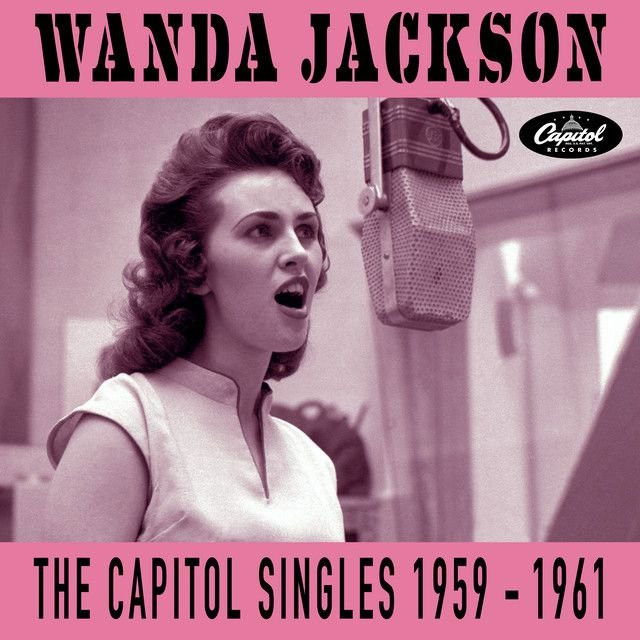
Why "Funnel of Love" Still Feels Dangerous
The meaning of Funnel of Love Wanda Jackson starts with a simple idea: falling in love can feel less like a choice and more like being pulled into something wild. In this 1961 recording, Wanda Jackson turns romance into a physical force. The singer is not calmly admiring someone. They are spinning, weakening, and losing control.
"Funnel of Love" - Wanda Jackson
Falling down, down, down,
My mind is a blank,
Loading lyrics...
Unable to load lyrics
We're unable to display the lyrics at this time. Please try again later.
That is why the song still sounds fresh. It treats desire as thrilling, funny, and a little scary all at once.
A Love Song That Feels Like a Trapdoor
At its core, the song is about surrender. The narrator knows love is overwhelming, but they cannot stop it. Early lines describe a body and mind thrown off balance, with phrases like falling down
and head is spinning
. Those images make love feel like motion, not thought.
The key metaphor is the title itself. A funnel narrows as it pulls things inward, so the image suggests being drawn deeper into emotion with no easy exit. This is what gives the song its tension. Love is exciting, but it also strips away control.
Interpretation: the funnel is not just infatuation. It may also represent inevitability. The song suggests that once desire starts, logic becomes weak and escape becomes harder.

Watch the official Funnel of Love
music video
The Narrator’s Voice: Dizzy but Honest
The lyrics use a first-person voice, which makes the emotional panic feel immediate. The speaker admits weakness instead of hiding it. When they describe getting weak in the knees
, the song mixes physical attraction with emotional helplessness.
That honesty matters. Many love songs promise devotion or celebrate romance. This one describes what it feels like in the middle of the fall, before anyone regains composure. The narrator is not proud or poetic. They are stunned.
My mind is a blank,My head is spinning around and around
Those lines capture the song’s emotional center. Love here is disorienting. The blank mind suggests that reason has shut down, while the spinning head turns attraction into a near-physical ride.
Why the Hook Works So Well
The chorus repeats the title phrase funnel of love
again and again, and that repetition matters. It mimics the circular feeling of obsession. The listener hears the same image returning like a thought the narrator cannot escape.
There is also a sly joke inside the title. As Songfacts notes, the phrase plays on the amusement-park “tunnel of love” ride, but this version is rougher and stranger than a cute date-night image. Instead of gentle romance, Jackson and the writers turn that familiar phrase into something darker, faster, and more hypnotic.
That is a big part of the song’s appeal. It takes a familiar symbol of romance and makes it unstable.
Sound That Matches the Spiral
The production helps explain why the song’s meaning lands so strongly. According to Wikipedia, the track was recorded on October 28, 1960, at Bradley Studios in Nashville and produced by Ken Nelson. Roy Clark played the guitar solo, and members of the Nashville A-Team were part of the session.
Those facts matter because the record does not sit neatly in one style. Jackson later said in a brief Philadelphia Weekly quote that it was not really country or rock, but they knew it was a good song. That in-between quality is exactly what listeners hear.
The beat feels lurching and nervous. The guitar has a sharp, wiry edge, while the vocal walks the line between country control and rockabilly bite. Instead of sounding polished and safe, the track sounds a little dangerous. That danger supports the lyric. If love is a funnel, the music is the spin.
Wanda Jackson’s Performance Sells the Meaning
A weaker singer might have turned this into novelty. Jackson does the opposite. They make the song sensual, playful, and intense at the same time.
Her delivery keeps shifting. In one moment, she sounds amused by her own trouble. In the next, she sounds genuinely overtaken. That balance is important because the song is not pure fear. It is about enjoying the fall even while knowing it leads to trouble.
This tension helps explain the song’s long afterlife. It was originally released as the B-side to “Right or Wrong” in April 1961 and did not chart on its own, even though the A-side became a hit. Yet critics and fans kept returning to it, and later artists covered it or cited it as an influence.
More Than Romance: A Song About Losing Control
The most interesting part of the meaning of Funnel of Love Wanda Jackson is that it goes beyond romance. Yes, the song is about attraction. But it also captures a broader human feeling: knowing something may overwhelm them and moving toward it anyway.
That idea can apply to:
- a crush that becomes obsession
- a relationship they know is risky
- the thrill of giving in to impulse
- the fear that desire chooses them before they choose it
Interpretation: this is why the song still connects with modern listeners. It understands that love is not always sweet or balanced. Sometimes it is chaotic, physical, and irrational.
Why It Still Matters Now
Part of the song’s legacy comes from how unusual it remains. It blends country, rock and roll, and bluesy menace in just over two minutes. It also gives a woman narrator unusual freedom to sound hungry, confused, and bold without apology.
That edge influenced later artists. The song has been praised for decades, and even Adele has cited Wanda Jackson’s style as a major inspiration in discussing music she loved. That makes sense: “Funnel of Love” sounds like a blueprint for passionate pop songs that treat desire as force, not fantasy.
Final Take on the Song’s Pull
So what is “Funnel of Love” really saying? It says love can feel like gravity. The narrator tries to resist, but the pull is stronger than reason, pride, or planning.
That is why the song lasts. It turns a simple image into a vivid emotional experience, then backs it with a restless performance and genre-bending sound. Interpretation: the song is not warning people away from love. It is admitting that some feelings are too powerful to dodge.
Disclaimer: This interpretation is based on the released lyrics, recording context, and documented artist commentary. As with any song, listeners may hear different meanings in it.







