Why 'Dance Hall Days' Feels Like a Memory
The meaning of Dance Hall Days Wang Chung comes from a clever mix of nostalgia, romance, and surreal imagery. On the surface, it sounds like a bright 1980s dance-pop single. Under that glossy surface, though, the song remembers a lost moment when love and social life felt perfectly aligned.
"Dance Hall Days" - Wang Chung
And make her do a high handstand
And take your baby by the heel
Loading lyrics...
Unable to load lyrics
We're unable to display the lyrics at this time. Please try again later.
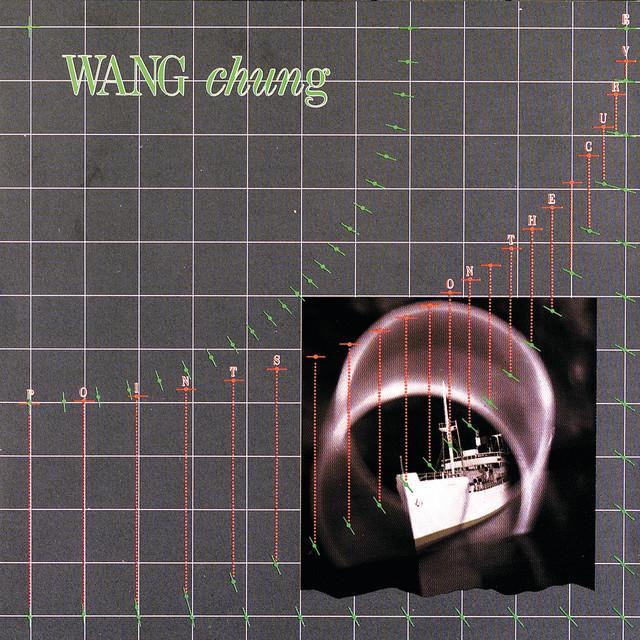
Originally released in 1982 and later re-recorded for Points on the Curve (1984), the song became one of Wang Chung's breakthrough singles, reaching No. 16 on the US Billboard Hot 100 and No. 21 in the UK, according to Wikipedia. Those chart facts matter because the track's meaning is tied to its sound: it turns private memory into something communal and danceable.
A Past That Glows, Even If It Was Messy
At its heart, the song looks backward. The chorus recalls a period when the narrator and their circle were so in phase
. That phrase suggests more than romance. It points to emotional sync, social belonging, and the feeling that everyone shared the same rhythm.
The key line about dance hall days
frames that past as warm and almost sacred. These are not just nights out. They are remembered as a time when people could believe in something together. The song links dancing with trust, youth, and a brief kind of certainty.
Interpretation: This is why the chorus feels bigger than a love song. It is about a whole world that seemed to make sense for a while.
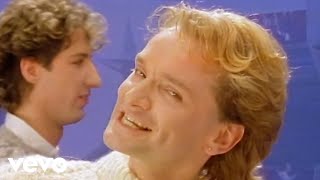
Watch the official Dance Hall Days
music video
Why the Verses Sound So Strange
The verses are where many listeners pause. They begin with direct, physical commands like take your baby by the hand
, then move into more bizarre and dreamlike images. Instead of describing a realistic romance, the song turns affection into a sequence of stylized gestures.
That shift is important. Jack Hues explained that the lyric begins innocently and becomes more hallucinogenic as it goes, a comment preserved by Songfacts. In other words, the song is not moving toward realism. It is moving deeper into the logic of memory, fantasy, and sensation.
So when the lyrics mention jewels, body parts, and exaggerated actions, they are likely not asking to be read literally. They create a heightened mood, where desire and recollection blur together. The oddness gives the song an unstable edge beneath its polished hook.
Memory, Performance, and Dance Hall Nostalgia
One of the best clues to the song's meaning comes from Hues' own background. He said his father played in an old-fashioned dance hall band, and he also played with him there, again cited by Songfacts. That detail helps explain why the song feels both personal and theatrical.
A dance hall is not just a room. It is a social stage. People flirt, perform versions of themselves, and become part of a crowd. In this song, the remembered past is shaped by that kind of environment. The narrator is not simply remembering one relationship; they are remembering a scene, a culture, and the emotional electricity of being young in public.
That is why the line about everyone they knew matters so much. The memory is collective. Love happens inside a shared mood.
How the Sound Carries the Story
The production makes the song's ideas easier to feel than to explain. The re-recorded version was cut at Abbey Road and credited to producers Wang Chung, Chris Hughes, and Ross Cullum, according to Wikipedia. Its mix of new wave sheen and rhythmic bounce gives the song a double effect: it is upbeat, but it is also reflective.
Hues described the groove as a kind of shuffle feel, even noting a subtle rhythmic push that makes it unusual, as quoted by Songfacts. That matters because the song never sounds stiff. It sways. It feels like motion colored by memory.
The bright synths and crisp drums suggest modern pop, while the title points backward to an older social tradition. That tension between old and new mirrors the lyric itself. The song lives in the present while longing for the past.
Two Strong Ways to Read the Song
There are at least two believable readings of the meaning of Dance Hall Days Wang Chung.
Reading One: A nostalgic love memory
This is the clearest interpretation. The song remembers a relationship and a social world that once felt complete. The repeated idea that two people need each other turns the song into a portrait of intimacy wrapped in nostalgia.
Reading Two: A dream about youth itself
The stranger images support a broader reading. The song may not be about one person at all. It may be about the intensity of youth, when feelings come fast, identity feels performative, and memory later turns everything into glitter and fog.
Both readings fit because the song keeps its details open enough to feel personal and universal at once.
Why the Song Still Connects
Part of the reason the track keeps showing up in films and television, as noted by Songfacts, is that it instantly creates a mood. It sounds fun, but it also carries distance. It feels like a snapshot from a happier room that no longer exists.
That emotional blend is the real magic of the song. It invites listeners to dance, but it also invites them to remember who they were when life felt simpler, stranger, and more shared.
The Last Word on Its Meaning
In the end, Dance Hall Days is about the way memory beautifies experience without making it fully clear. Its chorus reaches for connection, while its verses show how unstable and dreamlike memory can become.
That is why the song still lands. It remembers more than a romance. It remembers a moment when people felt cool on craze
and close to what was true.
Disclaimer: This interpretation blends documented artist context with lyrical analysis, so some meanings remain open to listener perspective.







