Why 'Blind in Texas' Is W.A.S.P.'s Wild Joke
The meaning of Blind In Texas W.A.S.P. starts with a simple idea: this is a hard rock party song about getting so drunk that the whole night turns blurry, loud, and absurd. But the track also does something bigger. It turns Texas into a mythic stage for excess, where every drink hits harder, every town feels rougher, and every bad decision becomes part of the legend.
"Blind In Texas" - W.A.S.P.
White lightning moonshine tastes like fire
I drank for free 'til I couldn't see
Loading lyrics...
Unable to load lyrics
We're unable to display the lyrics at this time. Please try again later.
W.A.S.P. built much of their 1980s image on shock, swagger, and theatrical chaos. This song fits that style perfectly. Rather than sounding tragic, it plays intoxication for humor and exaggeration, making the narrator seem less dangerous than ridiculous.
What the Song Is Really Selling
At the surface level, the story is easy to follow. The narrator drinks his way across Texas, from one city to another, until he is physically and mentally wrecked. When he says blind in Texas
, the line is not really about eyesight. It means he is too drunk to function.
Interpretation: the song uses drunkenness as a comic symbol of being overwhelmed by a place and its culture. Texas becomes larger than life. It is not just a location; it is a force that swallows the narrator whole.
That is why details like tastes like fire
matter. The drinks are not presented as smooth or glamorous. They burn. They punish. The song keeps pushing the idea that this night is beyond ordinary partying.

Watch the official Blind In Texas
music video
A Road Map of the Chaos
The verses move like a bar-to-bar travel log. The narrator starts in a rough setting, drinks heavily, falls down, and keeps going. Then the song widens its map, naming cities and building the sense that the whole state is one long binge.
Three key beats shape the story:
- They enter a hard-drinking world and lose control fast.
- They turn Texas cities into stops on a reckless adventure.
- They end in a comic confrontation with authority, still refusing to stop.
That spoken section is important. It gives the song a cartoon quality, almost like a movie scene. Instead of sounding ashamed, the narrator sounds confused, stubborn, and funny. Even when the night clearly needs to end, he still wants another drink.
Why the Chorus Hits So Hard
The chorus is the song's big joke and its main image. The phrase lone star is hot tonight
turns Texas into a fever dream: hot, bright, hostile, and exciting. Then taken my eyes
exaggerates the effect, as if the state itself has beaten the narrator senseless.
Interpretation: the chorus works because it merges external place and internal condition. They are drunk, yes, but the song frames that state as something Texas has done to them. That makes the hook feel bigger than a private hangover. It becomes a tall tale.
This is also why the track remains memorable. Many party songs describe drinking. Fewer turn a region into the cause of the blackout.
Texas as Myth, Not Geography
The song names real places, but realism is not the goal. Texas is drawn as a myth of whiskey, heat, cowboys, police, and nonstop nightlife. The line Raisin' hell in Austin
shows that spirit clearly. It is less about documenting a real trip than creating a rowdy American fantasy.
For a U.S. audience, that matters. Texas already carries cultural meanings: size, toughness, independence, and larger-than-life behavior. W.A.S.P. lean into those ideas and make them louder.
Is the Song Celebrating or Mocking?
Both readings make sense.
Interpretation 1: it celebrates excess. The narrator sounds thrilled by the danger and disorder, and the song invites listeners to laugh and sing along.
Interpretation 2: it lightly mocks macho drinking culture. The narrator is not cool in a polished way. He is stumbling, falling, arguing, and making a fool of himself. The humor undercuts the swagger.
Those two readings can exist at once. That tension is part of the song's appeal.
How the Sound Carries the Meaning
Musically, “Blind in Texas” is built like a crowd-pleasing hard rock anthem. The guitars are bright and punchy, the beat moves with a bar-band stomp, and the chorus is designed for instant shouting along. That sound gives the song momentum, making the drunken spiral feel fun rather than heavy.
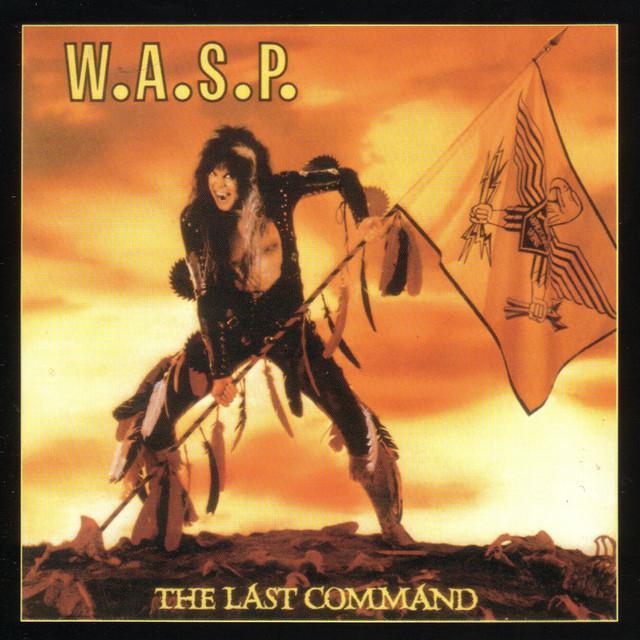
Blackie Lawless has said in interviews that W.A.S.P. aimed for theatrical impact as much as musical force, a goal reflected across the band's early work and public image documented by outlets like AllMusic and the band's official site. The production style on the 1985 album The Last Command also matches mainstream 1980s metal: big drums, clear hooks, and enough grit to keep the track from sounding too polished.
The spoken bridge matters too. It breaks the song open and lets the listener hear the narrator's dazed logic in real time. That section turns the track from a simple rocker into a mini-comedy sketch.
Where It Sits in W.A.S.P.'s Career
Released on The Last Command in 1985, “Blind in Texas” arrived when W.A.S.P. were sharpening their mix of metal aggression and shock-rock theater, as shown in album histories from AllMusic. Written by Steve Edward Duren, better known as Blackie Lawless, the song shows how the band could package outrageous imagery into a catchy single.
That balance helped the track last. It is heavy enough for metal fans, but playful enough to stand apart from darker songs of the era.
The Takeaway Behind the Hangover
So what is the meaning of Blind In Texas W.A.S.P.? At its core, it is a funny, exaggerated story about drinking until the world spins. But it also uses Texas as a symbol of American excess, turning one wasted night into a loud myth about bravado, chaos, and losing control.
That is why the song still works. It is not deep in a confessional way. It is vivid, shameless, and smart enough to know that the wildest guy in the room may also be the punchline.
Disclaimer: This interpretation is based on the lyrics, performance, and available band context. Song meanings can vary from listener to listener.







