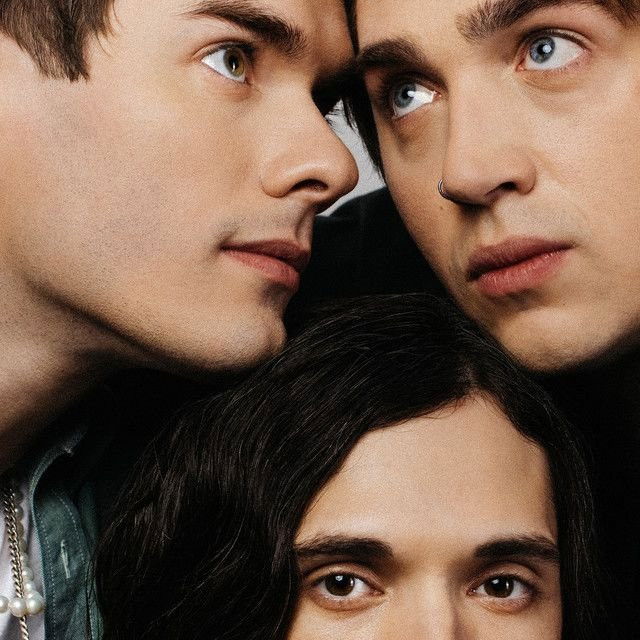
Lowkey As Hell by Waterparks
Why the meaning of Lowkey As Hell Waterparks hits hard
The meaning of Lowkey As Hell Waterparks comes down to a sharp contradiction: success is arriving, but peace is not. The song is about looking more accomplished from the outside while feeling more unstable on the inside.
"Lowkey As Hell" - Waterparks
My Drake problems, my fake problems
But it's really how I'm feeling here
Loading lyrics...
Unable to load lyrics
We're unable to display the lyrics at this time. Please try again later.
Waterparks released the track as the lead single from Greatest Hits in September 2020, ahead of the album’s full release in May 2021. The album became the band’s fourth studio record and their only one with 300 Entertainment, blending pop rock, hyperpop, pop-punk, and hip-hop touches across its runtime. On that album, Awsten Knight was also explicitly credited as a producer for the first time, alongside Zakk Cervini. Those facts matter because this song sounds like a mission statement for that era: brighter, bolder, and more emotionally exposed.

Watch the official Lowkey As Hell
music video
A confession about success that does not feel good
At the center of the song is a narrator who knows their problems may look trivial from the outside. They even call them Drake problems
, which frames their stress as luxury-level stress: expensive clothes, a better apartment, bigger career pressure.
But the song’s key point is that pain does not become fake just because someone is more successful than before. They cry over a shirt they once could not afford, and that image captures the whole song. Money has changed their surroundings, not their emotional reality.
Interpretation: Waterparks seem to be arguing that modern success can make someone look better while feeling worse. The song resists the idea that gratitude should cancel out depression or burnout.
The first verse turns self-awareness into frustration
One of the smartest parts of the lyric is how quickly it moves from confession to suspicion. They admit they are hurting, then wonder if audiences almost prefer them that way. The idea behind hurt inside
is not just sadness. It is also about performance.
They seem aware that pain can become part of an artist’s brand. People say they hope the artist is okay, but the song doubts the sincerity of that reaction. In plain terms, they fear that concern may be shallow and that suffering may be more marketable than healing.
That tension gives the track its edge. It is not only about mental health. It is about being watched while struggling.
Desire, isolation, and the emptiness of “having it”
The pre-chorus lists attractive things: style, jewelry, a larger home. Then it undercuts all of it with hiding. That pivot is crucial to the meaning of Lowkey As Hell Waterparks.
The narrator is halfway toward the life they wanted, yet emotionally disconnected from it. The question beneath the verse is simple and painful: what is achievement worth if no one is close enough to share it?
Later, the song gets even clearer with brain that doesn't hate me
. That short phrase turns the whole song inward. The real enemy is not fame itself or money itself. It is a mind that keeps attacking the person who has supposedly “made it.”
The chorus offers escape, but also devotion
Musically and emotionally, the chorus opens the room. Instead of spiraling in place, they imagine movement: we can ride
, get out, go somewhere else, take someone along.
That matters because the song is not only self-focused. In the chorus, they promise presence. Even in chaos, they want to show up for someone. The fantasy of flying away “like I bought my own airline” is exaggerated and funny, but it serves a serious emotional purpose. They want freedom from pressure, and they want connection at the same time.
Interpretation: The chorus may be less about literal escape than emotional rescue. They cannot fully fix themselves, but they still want to be dependable for another person.
The second verse gets more direct about burnout
The middle of the song strips away some of the swagger. They admit the work never really stops, and they tie that pressure to time passing and identity changing. The reference to not having a day off since my blue hair
makes the timeline feel personal and specific, as if career momentum has erased ordinary rest.
Then the song lands on one of its most human details: they should call their parents more so the parents do not worry. That detail broadens the track beyond celebrity angst. Suddenly, this is not just an artist talking to fans. It is also a child trying to reassure family while barely feeling reassured themselves.
Why “highkey and lowkey” is the whole point
The repeated hook highkey and lowkey as hell
sounds playful, but it sums up the whole song. They are visible and hidden, dramatic and restrained, confident and fragile.
That contradiction matches Waterparks’ larger style during the Greatest Hits era. Reviews often described the album as genre-jumping and high-energy, with one critic at NME calling it a “bold step into sprawling new territory,” while Kerrang! praised its carefully crafted chaos. That larger context helps explain why this song feels so restless. Its message is split, and so is its sound.
How the production carries the meaning
The production is compact, shiny, and fast-moving. On paper, the song talks about crying, pressure, and self-loathing. But it rarely sounds defeated. Instead, it uses punchy drums, bright synth-pop color, and a clipped, almost conversational vocal approach to keep the emotion from sinking into pure gloom.
That contrast is important. The polished surface mirrors the lyric’s theme: things look expensive, energetic, even fun, while anxiety keeps leaking through. With Awsten Knight and Zakk Cervini shaping the album’s production, that glossy tension feels intentional rather than accidental.
Final takeaway: a pop song about private damage
In the end, the meaning of Lowkey As Hell Waterparks is not just “fame is hard.” It is more specific than that. The song says material progress can coexist with emotional collapse, and public visibility can make private pain feel even lonelier.
That is why the song connects. It takes glamorous details, strips away their fantasy, and asks whether being admired means anything if someone still feels alone.
Disclaimer: This interpretation is based on the lyrics, the song’s musical choices, and publicly available release context. Like most pop songs, it can support more than one reading.









