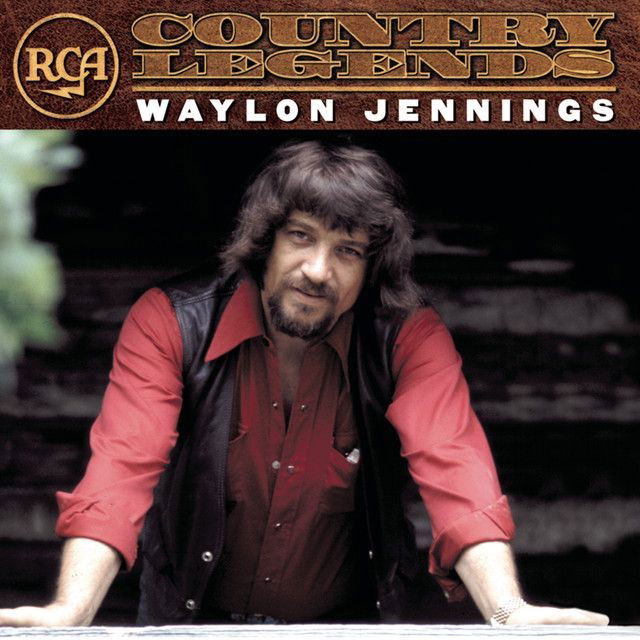
Can't You See by Waylon Jennings
A breakup song that sounds like escape
The meaning of Can't You See Waylon Jennings comes down to one raw idea: heartbreak so intense that the singer wants to disappear. They are not just sad. They are desperate to get far away from the person who hurt them, and every image in the song pushes that feeling harder.
"Can't You See" - Waylon Jennings
I don't care which way it goes
Gonna climb a mountain, the highest mountain Lord
Loading lyrics...
Unable to load lyrics
We're unable to display the lyrics at this time. Please try again later.
Waylon Jennings did not write the song; Toy Caldwell of The Marshall Tucker Band did. The song first appeared on the band's 1973 debut, and Jennings later cut his own version for his 1976 album Are You Ready for the Country. His recording became a major country hit, reaching No. 4 on Billboard's country chart. That matters because Jennings turns a Southern rock classic into something even more hard-bitten and personal.

Watch the official Can't You See
music video
The core story: pain that becomes motion
At the center of the song is a narrator who feels trapped by emotional damage. Instead of sitting still with that pain, they imagine constant movement: trains, tickets, mountains, distance, and a road that keeps going. The speaker wants action because action feels easier than grief.
When they talk about catching a train as far as I can
, the song frames escape as a survival plan. The destination does not matter. What matters is leaving.
That idea gets darker as the verse goes on. The mountain image is not about adventure or freedom in a bright sense. It suggests someone pushed to an edge by heartbreak, someone talking in extreme terms because normal language no longer feels big enough.
What the chorus really means
The chorus is simple, but that simplicity is why it lands. When the singer cries Can't you see
, they are not really asking a question. They are demanding that someone witness the damage.
The key phrase what that woman's been doin' to me
turns private pain into accusation. The hurt is so overwhelming that the narrator needs outside confirmation. They want the world to admit that this breakup, betrayal, or toxic bond has changed them.
Interpretation: The chorus is less about blame alone and more about helplessness. They know they are falling apart, and the repeated hook sounds like someone trying to make sense of their own behavior by pointing to its cause.
Running away is the song's main symbol
Trains, tickets, and tracks
The song keeps returning to travel images because travel stands in for emotional retreat. Buying a ticket and going southbound are not detailed plans. They are symbols of cutting ties.
One of the strongest lines points toward a trip where the train might run out of track
. That image suggests there is no real solution waiting at the end. The narrator is not chasing a new life with hope and clarity. They are just trying to outrun pain until there is nowhere left to go.
Height and danger
The mountain line raises the emotional temperature. In plain terms, the song shows someone speaking from a place of collapse. The drama is part of the point: heartbreak here feels so total that the speaker imagines impossible, destructive escapes.
Gonna buy a ticket go as far as I can
I ain't never coming back
These lines summarize the song's emotional logic. If love has become unbearable, the mind starts to picture distance as the only cure.
Why Waylon Jennings fits this song so well
Jennings' public image helps explain why his version connected. By the mid-1970s, they were one of country music's defining outlaw figures, a singer associated with independence, rough edges, and hard living. That persona makes the song feel lived-in rather than theatrical.
Context matters here. As later coverage of Jennings' life shows, including reflections on addiction and regret in an American Songwriter piece, they often sang from a place that audiences read as battered but honest. That history does not mean this song is autobiographical in a strict sense. It does mean listeners were likely to hear real weariness in their voice.
How the arrangement carries the meaning
The original Marshall Tucker Band version is famous for its Southern rock blend and its flute-and-guitar character. Jennings' take shifts the center of gravity toward country. The groove is steadier, the vocal is tougher, and the whole performance feels more grounded in barroom hurt than in open-road jam-band release.
That change affects meaning. In Jennings' hands, the song sounds less dreamy and more cornered. The beat keeps moving forward, but the voice sounds stuck inside the same wound.
A few musical choices stand out:
- The driving rhythm mirrors the urge to flee.
- The guitar work adds grit rather than softness.
- Jennings' phrasing makes each repeated line feel heavier.
- The cleaner country framing sharpens the loneliness.
More than anger: the deeper emotional reading
It would be easy to hear the song as simple resentment toward an ex. But that reading is too small. The narrator is also exposing their own fragility.
Interpretation: The real conflict may be between motion and healing. They believe escape will solve everything, yet the song keeps circling the same pain. Even while talking about leaving, the singer cannot stop repeating the wound.
That is why the song lasts. It understands a hard truth: after a breakup, people often mistake movement for recovery. They leave town, change habits, or chase the next horizon, but their feelings ride with them.
Why the song still hits
The meaning of Can't You See Waylon Jennings still speaks to listeners because it captures heartbreak in blunt, physical images. There is no fancy poetry hiding the message. There is just a person who wants out, now.
Jennings' version also sits at a rich crossroads of country and Southern rock, which helps broaden its appeal. It feels rugged, memorable, and emotionally direct without losing its musical pull.
Final takeaway
In the end, this is a song about pain turning into flight. The narrator cannot control the hurt, so they try to control distance instead. Waylon Jennings makes that idea sound weary, stubborn, and real.
Disclaimer: This interpretation is based on the lyrics, recording context, and available historical sources. As with most songs, listeners may hear different meanings in the same lines.








