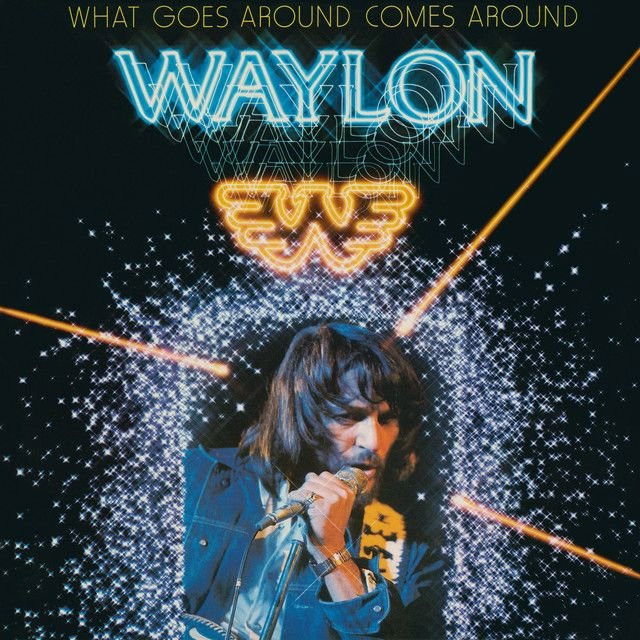
Come With Me by Waylon Jennings
The meaning of Come With Me Waylon Jennings starts with a simple promise: someone hurting does not have to stay stuck. The song is built like an invitation, not a lecture. Instead of judging the person in pain, the singer offers escape, warmth, and steady love.
"Come With Me" - Waylon Jennings
I'm a mountain,come on and climb
Because you look so good,to be so down
Loading lyrics...
Unable to load lyrics
We're unable to display the lyrics at this time. Please try again later.
Released in August 1979 as the lead single from What Goes Around Comes Around, the track became Waylon Jennings’ eighth solo No. 1 on the country chart and stayed there for two weeks, with a 13-week chart run according to Wikipedia’s song entry. That success fits the song’s appeal. It is direct, hopeful, and easy to feel right away.
A Rescue Song Disguised as a Love Song
At its core, this is a country love song about emotional rescue. The speaker sees someone weighed down and steps in with reassurance. Early lines describe a person with a troubled state of mind, then answer that pain with support. When the singer says come on and climb
, the image turns him into a place of strength.
That matters because the song does not only offer romance. It offers shelter. The speaker wants to lift the other person out of sadness and into a brighter space. In plain terms, he is saying: trust me, let me help, and things can change quickly.
Interpretation: The song’s biggest message is not conquest. It is care. Even though the language is flirtatious, the emotional center is compassion.

Watch the official Come With Me
music video
Who Is Speaking, and Why It Feels So Confident
The narrator speaks in the first person to a woman who seems discouraged. He notices she looks too good to feel so low, and he responds with almost total confidence. That confidence can sound bold, but it also gives the song its calming effect.
The repeated phrase come with me
works like both a chorus and a promise. He is not asking for a long explanation. He is asking for trust. In many country songs, love is complicated by regret or betrayal. Here, the speaker cuts through all of that and presents himself as a guide toward relief.
The Emotional Timeline in Brief
- He notices distress.
- He offers strength and comfort.
- He imagines a shared escape into light and freedom.
- He promises that once she feels that change, she will want more of it.
That simple arc is one reason the song feels so immediate.
The Chorus Turns Pain Into Motion
The chorus is where the song opens up. Instead of staying with the person’s sadness, it moves toward action and uplift. The line the feeling’s free
is especially important. Love here is not presented as a transaction. It is available, generous, and already waiting.
Then the song shifts into dreamy images like ride it high
and greeting the sun while sailing by. Those lines are not meant to be literal. They create a sensation of weightlessness, as if emotional burdens can finally be left below.
Come with me, come with me
The feeling's free
That brief refrain captures the whole emotional thesis. The invitation is repeated because healing often requires reassurance more than argument.
Light, Clouds, and Climbing: The Song’s Main Symbols
The imagery in “Come With Me” is simple, but it is effective. The mountain image suggests stability and effort. If she climbs, she rises. The cloud image suggests release and perspective. The sun represents hope and a better emotional horizon.
Another key symbol appears when the singer says My love’s a light
. That line turns love into something constant and practical. Light helps people see. It also pushes back darkness. So when he says that light is always on, he is promising reliability.
Interpretation: This is why the song feels bigger than a casual pickup line. The images all point to one central idea: love as guidance out of confusion.
How Waylon’s Sound Supports the Meaning
Waylon Jennings was known for a strong, grounded vocal style, and that matters here. He does not sing this song like a fragile ballad. He sounds assured, steady, and warm. That delivery makes the invitation believable.
Factually, the song was recorded in January 1979 at American Studio in Nashville and produced by Richie Albright and Waylon Jennings, as noted in the available release details. The arrangement fits late-1970s country: clean rhythm, a relaxed groove, and enough lift in the chorus to match the song’s upward imagery.
Rather than overwhelm the lyric, the production gives it room. The result is a performance that feels comforting without becoming soft or sleepy. That balance is a big part of why the song connected so strongly with country audiences in the United States.
A Useful Way to Read the Song Today
For modern listeners, the meaning of Come With Me Waylon Jennings can land in two ways at once. On one level, it is a straightforward love song about cheering someone up. On another, it is about becoming a safe place for someone else.
That second reading gives the song staying power. Plenty of romantic songs promise excitement. This one promises emotional steadiness. It says love can be a path out of darkness, not just a thrill.
Why the Song Endures
“Come With Me” lasts because it is uncomplicated in the best sense. It uses plain language, bright imagery, and a confident vocal to express a universal wish: to help someone feel better and to be the person they can follow toward hope.
Waylon Jennings turns that idea into something memorable by sounding completely sure of it. The song never doubts that a better feeling is possible. That certainty is its power.
Disclaimer: This interpretation is based on the song’s lyrics, performance, and release context. As with any song, listeners may hear personal meanings that differ from this reading.







