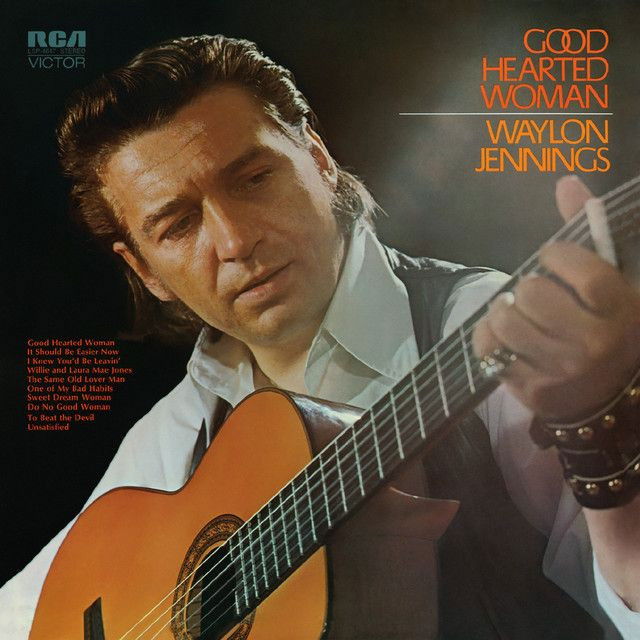
Why 'Good Hearted Woman' Still Hits Hard
The meaning of Good Hearted Woman Waylon Jennings comes down to a simple but painful truth: love can be loyal even when it is uneven. The song tells a familiar country story about a woman who keeps the home, absorbs the hurt, and still believes in better days with a man who loves freedom more than stability.
"Good Hearted Woman" - Waylon Jennings
And the good life he promised ain't what she's living today
But she never complains of the bad times or bad things he's done, Lord
Loading lyrics...
Unable to load lyrics
We're unable to display the lyrics at this time. Please try again later.
Waylon Jennings recorded the song first in 1971, and it later became an even bigger hit as a duet with Willie Nelson. That history matters because the song sits right at the center of the outlaw-country image both men helped shape: charismatic, restless men and the women who had to live with them.
The Core Story Beneath the Chorus
At the heart of the song is a contrast between promise and reality. Early on, the lyric suggests that old dreams have slipped away, and the life the man offered is not the life she actually has. Even so, she refuses to dwell on the damage. Instead, she holds onto memories and hope.
That is why the refrain matters so much. When the song calls her a good hearted woman
loving a good timin' man
, it is not just describing two personalities. It is setting up the whole conflict: steadiness versus wandering, devotion versus appetite, home versus nightlife.
Interpretation: The song does not present her as naive. It presents her as someone making a choice. She knows who he is. She stays anyway.
Watch the official Good Hearted Woman
music video
A Love Song With a Bruise Under It
One reason the song lasts is that it never turns fully bitter. It admits disappointment, but it does not become revenge music. The woman is hurt, yet the song keeps returning to endurance and shared life.
The most telling phrase may be teardrops and laughter
. In plain terms, their relationship holds both joy and pain at once. That line keeps the song from sounding fake or sentimental. It accepts that their bond is messy.
Still, there is tension here. The man enjoys night life and bright lights
, while she waits and welcomes him home. That image makes the song emotionally uneven on purpose. He gets motion and excitement; she gets patience and emotional labor.
Interpretation: Some listeners hear this as romantic loyalty. Others hear it as a portrait of sacrifice that asks too much of her. Both readings fit the lyric.
Why the Final Verse Changes Everything
One of the smartest moves in the song comes near the end, when the lyric shifts from describing him to admitting she loves me
. That tiny change matters.
Before that moment, the man could seem like a type: the charming drifter, the classic country rogue. Once the singer says "me," the song becomes confession. It is no longer about some other flawed man. It is about the narrator recognizing his own selfishness and the woman still standing by him.
That shift adds humility. It suggests he may not deserve the loyalty he receives, and he knows it.
How Waylon and Willie's Context Shapes the Meaning
The song’s backstory deepens its message. According to accounts gathered by American Songwriter and Songfacts, Jennings and Nelson wrote it during a poker game in a Fort Worth motel after Jennings saw an ad referencing "good-hearted women loving good-timing men." Nelson later said the women in their lives were part of the inspiration.
That origin makes the song feel less like fantasy and more like self-portraiture. These were artists building public images around independence, excess, and resistance to Nashville polish. In that light, the song becomes partly an admission of what their partners had to endure.
Factually, Jennings released the solo single in late 1971, and it reached No. 3 on Billboard’s country chart. The later duet version with Nelson hit No. 1 country and crossed over to the Hot 100, winning CMA Single of the Year in 1976, as summarized by Wikipedia and the reporting above.
The Sound: Warm, Plainspoken, and Honest
Musically, "Good Hearted Woman" supports its meaning with a relaxed country groove. The arrangement is not flashy. It leans on steady rhythm, clean melodic movement, and a honky-tonk feel that keeps the story grounded.
Waylon’s vocal is key. He sounds tough, but never cold. That balance lets the song carry regret without collapsing into self-pity. The performance feels lived-in, which helps the listener believe the confession.
The duet version adds another layer. Because it pairs Jennings and Nelson, the song starts to sound communal, almost like two men admitting the same fault together. Reports note the duet was built from a live recording with Nelson’s vocal added later, plus crowd noise, which helps explain its loose, rowdy energy.
Why the Song Still Connects
For modern listeners, the meaning of Good Hearted Woman Waylon Jennings may feel divided. Some hear a classic tribute to unconditional love. Others hear an older gender script in which women are expected to absorb male chaos.
That tension is exactly why the song survives. It is tender, but not clean. It respects the woman, yet it also reveals how much she carries. The song understands that love is not only romance. Sometimes it is mercy, memory, and the hope that a flawed person might someday grow into the promises they once made.
The Lasting Takeaway
"Good Hearted Woman" is about devotion that persists even when reality falls short of the dream. Its emotional power comes from how clearly it sees both the beauty and burden of that devotion.
Interpretation disclaimer: This reading separates documented facts about the song’s writing, release, and reception from interpretive claims about theme and meaning. Like most great country songs, it leaves room for more than one honest reading.
Sources
- https://americansongwriter.com/the-story-behind-good-hearted-woman-by-waylon-jennings-and-willie-nelson-and-how-it-led-to-crossover-success/
- https://www.songfacts.com/facts/waylon-jennings-and-willie-nelson/good-hearted-woman
- https://en.wikipedia.org/wiki/Good_Hearted_Woman_(song)
- https://americansongwriter.com/tina-turner-became-the-surprising-inspiration-for-one-of-waylon-jennings-biggest-hits/








