Just to Satisfy You by Waylon Jennings
A warning dressed like a country standard
The meaning of Just to Satisfy You Waylon Jennings starts with a simple idea: this is a warning song. It speaks to a person who keeps chasing attention, romance, and control without caring who gets hurt. Instead of sounding bitter for its own sake, the lyric frames that behavior as destructive and finally self-defeating.
"Just to Satisfy You" - Waylon Jennings
Someone's gonna pay for the things you do
How many hearts must break,how many will it take
Loading lyrics...
Unable to load lyrics
We're unable to display the lyrics at this time. Please try again later.
The central message is plain. A heartbreaker may think they are winning, but the damage spreads outward and eventually circles back. The song keeps asking how much pain is enough before desire burns itself out. That is why the title phrase matters so much: the need to be pleased becomes a kind of appetite that can never really be filled.
Watch the official Just to Satisfy You
music video
Who the song is talking to
The lyric uses direct address, which gives it force. The singer is not telling a general story about heartbreak; they are confronting someone face to face. Early on, the song warns that someone's gonna get hurt
. In context, that line is less a threat than a prediction.
A second key phrase, another love, another fool
, shows a repeating pattern. This person moves from one relationship to the next, treating people as disposable players in a game. The singer sees through that cycle and refuses to romanticize it.
Interpretation: The voice may come from an ex-lover, but it also sounds a bit like a moral witness. They are hurt, yes, yet they are also stepping back and naming the pattern clearly.
How the verses build the theme
One reason the song lands so hard is its structure. Each section raises the cost of this behavior. First comes the warning that people will be harmed. Then the song counts emotional losses: broken hearts, tears, and dead dreams. Finally, it predicts a twist. The person doing the hurting may one day meet a love they cannot control.
That turn is captured in the song's sharpest idea: don't be surprised
if the pain comes back. The lyric suggests a kind of poetic justice, but it does not sound triumphant. It sounds sad, almost tired, as if the singer knows this lesson arrives too late for everyone involved.
How many tears were cried
how many dreams have died
all for a restless need
that still is not enough
That short passage sums up the song's emotional math. The point is not just that lovers suffer. It is that the damage keeps adding up while the person at the center remains unsatisfied.
The chorus and its emotional punch
The chorus repeats just to satisfy you
, and repetition is the whole point. Every time the title returns, it sounds more accusing. It asks whether any amount of heartbreak could ever be enough for a person driven by vanity, boredom, or emotional hunger.
This is where the song becomes bigger than a breakup. It is not only about one bad romance. It is about selfishness itself. The word “satisfy” usually suggests pleasure or peace, but here it carries emptiness. Satisfaction never arrives; only more wreckage does.
Interpretation: Listeners can hear the song as a study of addiction-like behavior, not necessarily to substances, but to conquest and attention. The person keeps chasing a feeling, yet the chase destroys real intimacy.
Why Waylon's history matters here
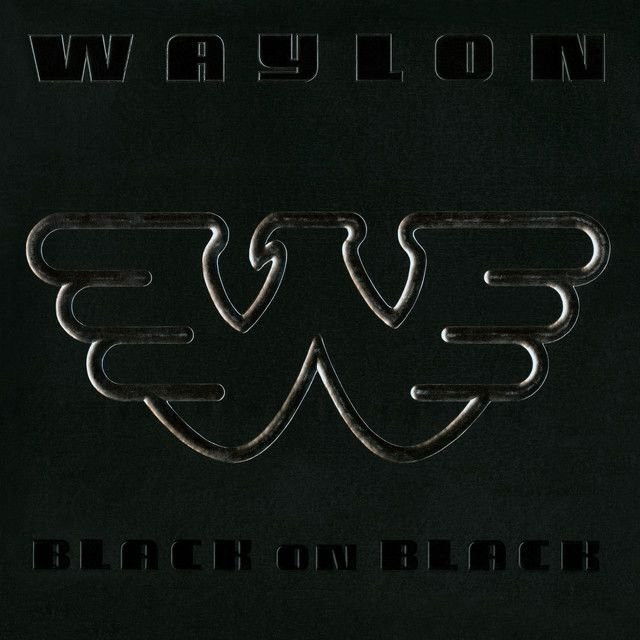
The song was written by Waylon Jennings and Don Bowman in 1963, long before the better-known hit version. According to Songfacts, Jennings first had a regional hit with it in Arizona, later used it as the title of a 1969 album, and then turned it into a No. 1 country duet with Willie Nelson in 1982 on Black on Black. That long life tells readers something important: Jennings knew this song had staying power even if he once doubted it.
American Songwriter notes that Jennings said in The Billboard Book of Number One Country Hits that the song almost got thrown away before he and Bowman reworked it and “made it right” in the writing stage. That detail matters because the finished lyric feels unusually tight. There is no wasted scene-setting. Every line pushes the warning forward.
How the duet changes the meaning
The 1982 version with Willie Nelson gives the song extra depth. A duet can turn a private wound into shared wisdom. Instead of one person sounding merely jealous, two veteran voices make the message feel broader and more lived-in.
Waylon's delivery is sturdy and worn, while Willie's phrasing adds ease and sting at the same time. Together, they sound less like men arguing and more like men who have seen this story too many times. That helps the song avoid melodrama.
Production matters too. The arrangement is clean, mid-tempo, and rooted in classic country. Guitar, steady rhythm, and open vocal space keep the focus on the lyric. There is no flashy distraction, which fits a song built on plain truths. Songfacts also notes that an earlier Jennings recording had a harpsichord in the arrangement, a reminder that the song survived very different styles before finding its strongest form.
Final takeaway on the song's meaning
So what is the meaning of Just to Satisfy You Waylon Jennings? At its core, it is a hard-eyed song about emotional selfishness. It tells the story of someone who keeps using love for ego and excitement, while the singer predicts that this pattern cannot last forever.
What makes the song memorable is its balance. It judges the behavior, but it also understands the sadness behind it. The final effect is not revenge. It is reckoning.
For many listeners, that is why the song still works. It is simple, direct, and brutally honest about the cost of treating people like temporary thrills.
Disclaimer: This interpretation is based on the lyrics, recording history, and available artist commentary. As with any song, listeners may hear personal meanings beyond this reading.







