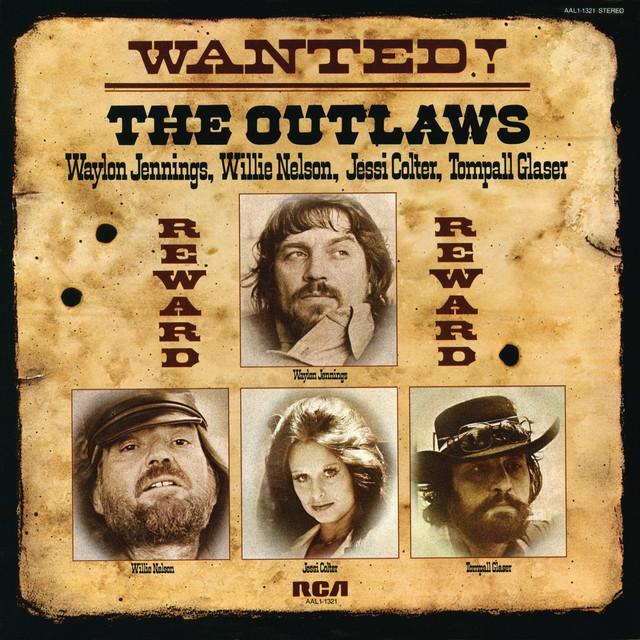
Heaven and Hell by Waylon Jennings, Willie Nelson
The meaning of Heaven and Hell Waylon Jennings, Willie Nelson comes down to one simple idea: life is not divided into big religious symbols so much as small human moments. In this song, joy and pain are not far-off places. They are daily feelings, tied to love, memory, and uncertainty.
"Heaven and Hell" - Waylon Jennings, Willie Nelson
Sometimes I don't even know
Sometimes I take it as far as I can
Loading lyrics...
Unable to load lyrics
We're unable to display the lyrics at this time. Please try again later.
Willie Nelson wrote the song, and the version associated with Waylon Jennings and Willie Nelson fits both singers well. Their music often took huge ideas and made them feel lived-in and ordinary. That is exactly what happens here.
A Big Title, A Very Human Message
At first glance, a song called “Heaven and Hell” sounds like it will be about judgment, religion, or the afterlife. Instead, it shrinks those ideas down to personal experience. The singer keeps admitting that life changes from one moment to the next. The refrain sometimes it's heaven
and sometimes it's hell
does not describe two separate worlds. It describes one unstable emotional life.
That last part matters. The line I don't even know
shows that confusion is part of the song’s meaning. This is not a speech from someone who has mastered life. It is a confession from someone who knows that feelings shift, certainty fades, and even love can leave them unsure.

Watch the official Heaven and Hell
music video
Where the Song Places Heaven and Hell
The song’s smartest move is also its plainest. It rejects the usual images people expect.
Heaven ain'ta street of gold
Hell ain'ta mountain of fire
After pushing aside those old pictures, the lyric gives a more intimate answer. Heaven is being held by the person they love. Hell is the absence of that person. In other words, the song argues that emotional reality matters more than religious artwork.
This is classic Willie Nelson writing. He often uses direct, conversational language to open deeper meanings. As American Songwriter noted in a piece on Nelson’s writing for Honeysuckle Rose, he could make songs feel broad enough to fit many situations, and Nelson himself said one of his songs had a “general theme” people could apply in different ways. That same flexibility is useful here. Even though this song is rooted in romantic love, listeners can hear it as a wider statement about comfort, loneliness, and needing one steady thing in a changing world.
The Road Images Matter More Than They Seem
Another key part of the meaning of Heaven and Hell Waylon Jennings, Willie Nelson is its use of trail and weather imagery. The singer says their front tracks
are headed toward water while the tracks behind are buried in snow. That image suggests a life caught between hope and hardship.
The line works in a few ways:
- The future offers survival, maybe relief.
- The past feels cold, difficult, and partly hidden.
- The present is a space between those two states.
Interpretation: this may reflect the emotional life of a touring country narrator, always moving forward while carrying what came before. It also fits the outlaw-country world of Jennings and Nelson, where freedom often came with loneliness and hard-earned wisdom.
Love as Shelter, Not Fantasy
This song is romantic, but it is not dreamy or idealized. It does not say love solves every problem. Instead, it says love gives life its clearest moments of peace. The person at the center of the lyric is not treated like a fantasy figure. They are simply “my sweet baby,” someone whose presence changes the emotional temperature of the world.
That phrasing keeps the song grounded in everyday speech. There is no grand poem here. That is the point. The emotional truth lands because it sounds natural. Jennings and Nelson built careers on that kind of honesty, whether in duet albums, solo records, or songs that crossed between country traditionalism and outlaw independence. Their collaborative catalog at AllMusic shows how often they favored sturdy songs over flashy ones.
How the Sound Supports the Meaning
The production style usually associated with this song is spare, warm, and unhurried. That matters. A softer country arrangement lets the lyric breathe. Acoustic guitar, steady rhythm, and the relaxed phrasing common to both singers create a feeling of lived experience rather than drama.
Waylon Jennings often brought a firmer, grounded vocal presence. Willie Nelson, by contrast, could sound conversational and slightly behind the beat, as if thinking out loud. Together, those traits deepen the song’s message. One voice suggests certainty; the other suggests reflection. The result mirrors the lyric itself: a person trying to stand steady while admitting life can change without warning.
Why the Song Still Connects
Part of this song’s staying power is that it never overexplains itself. Most listeners understand the core feeling immediately. Almost everyone has known a day that felt saved by one person’s presence, or ruined by their absence.
That is why the song remains relatable. Its language is simple, but its emotional reach is wide. It speaks to romance, yes, but also to aging, memory, and the unstable way people measure their own lives. Some days feel blessed. Some feel empty. Most fall somewhere between.
Final Take on Its Meaning
The meaning of Heaven and Hell Waylon Jennings, Willie Nelson is that heaven and hell are not distant destinations. They are emotional states built from closeness, loss, and uncertainty. The song says real life is mixed, shifting, and hard to define, but love can still give it shape.
Interpretation: listeners may hear it as a love song, a road song, or even a quiet philosophy of life. All three readings fit the lyric.
Disclaimer: This interpretation is based on the released lyric, performance context, and available artist history. As with many Willie Nelson songs, listeners may reasonably hear different meanings in it.







