The Meaning of ‘Da Vinci’ by Weezer, Explained
They’ve all been there: trying to describe someone who feels bigger than words. Weezer’s “Da Vinci” turns that struggle into a bright, hooky confession. For anyone searching the meaning of Da Vinci Weezer, the song says that love can exceed the reach of art, science, and even language itself—and that’s okay.
"Da Vinci" - Weezer
When I look at it nothing comes through
Sometimes I wonder if you're just a ghost
Loading lyrics...
Unable to load lyrics
We're unable to display the lyrics at this time. Please try again later.
Love So Big Even Geniuses Can’t Measure It
The central idea is simple: the narrator can’t sum up their partner, no matter what tools they try. They confess being at a loss for words
, and the track keeps circling this gap between feeling and expression. Name-dropping iconic benchmarks—Leonardo da Vinci (art), Stephen Hawking (science), and the Rosetta Stone (language)—sets a high bar. If even those titans can’t help, then the beloved must be beyond any system.
Interpretation: the song argues that love is not a puzzle to solve, but an experience to live. The awe isn’t a problem to fix; it’s the point.

Watch the official Da Vinci
music video
Who’s Talking, And Why They’re Stuck
The voice is first-person and earnest. They try technology and facts to define the beloved—the camera, a genealogy search, even a novel—and come up short. When friends suggest they polish my lens
, it hints the issue isn’t the subject but the limitations of the observer and their tools.
Interpretation: the speaker’s humility is key. Rather than forcing a label, they pivot to praise. The move from frustrated cataloging to wonder mirrors how people shift from explanation to devotion when logic runs out.
The Chorus, In Miniature
Here’s the song’s thesis in four lines, a ladder of metaphors that still can’t reach the top:
Even Da Vinci couldn’t paint you
Stephen Hawking can’t explain you
Rosetta Stone could not translate you
I’m at a loss for words
Each reference covers a realm—art, science, language—and fails. The last line lands softly, turning failure into acceptance. That chorus keeps the tone bright rather than brooding, which matches Weezer’s power-pop DNA.
Symbols That Outgrow Their Frames
- Art (Da Vinci): Masterpiece-making falls short; beauty here resists portraiture.
- Science (Hawking): Even cosmic math can’t model this person’s effect.
- Language (Rosetta Stone): Translation can’t catch what the heart knows.
The verses add playful details. An ancestry search finds no record, as if the beloved fell straight out of the sky
. That cosmic image deepens the mythic tone. When the narrator gives up on writing a novel and decides to sing your gospel
, they trade analysis for testimony. “Gospel” suggests witness: truth felt and shared rather than proven.
Interpretation: these symbols show the limits of categorizing people. The song recasts those limits as wonder, not defeat.
How the Sound Carries the Feeling
“Da Vinci” sits in Weezer’s classic lane: alternative rock with power-pop crunch. Ric Ocasek’s production keeps guitars bright, drums punchy, and vocals upfront, letting the melody sell the message. The chorus blooms with stacked harmonies, while a compact guitar break adds lift without derailing momentum. The radio edit trims the runtime and adds a whistling outro, which lightens the mood and leaves a smile.
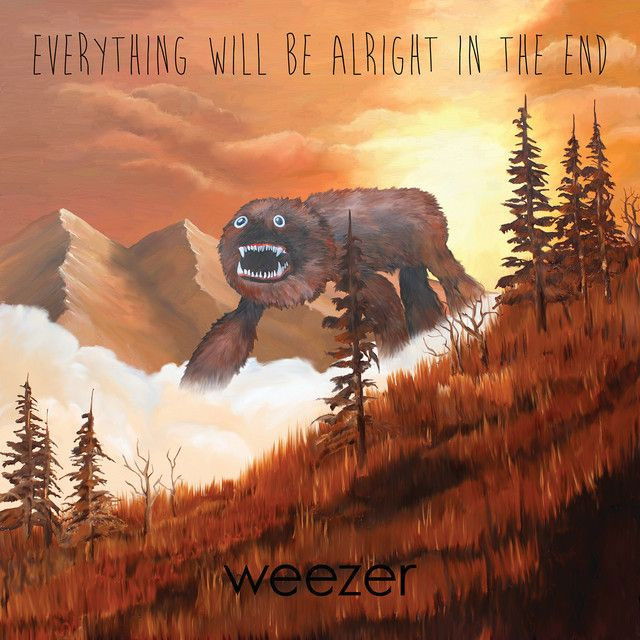
Context matters, too. Released in 2014 as the third single from Everything Will Be Alright in the End, the track was part of Weezer’s back-to-basics moment with big hooks and heart-on-sleeve lyrics. It reached the U.S. Alternative Airplay Top 40 and Canada Rock radio, modest but steady for a mid-tempo love song in their catalog. The bridge’s message of resilience nods to the album title, framing the narrator’s speechlessness inside a hopeful promise.
Alternate Reads And Lasting Takeaway
- Interpretation 1: A straightforward love song. The beloved is unique; labels fail; devotion wins.
- Interpretation 2: A meta-song about creativity. The failed “picture,” “novel,” and “translation” point to artistic limits and the humility of saying less. The chorus becomes an artist’s creed: when craft can’t capture it, sing anyway.
What’s most durable is the feeling. The meaning of Da Vinci Weezer listeners often cite is that some experiences exceed our categories. And yet the song is cheerful, not defeated. By owning their limits, the narrator finds a more honest way to love.
Final Word
“Da Vinci” makes a case for awe. It admits that love won’t fit inside a frame, a formula, or a dictionary—and finds joy in that mystery.
Disclaimer: Song interpretations are subjective; this analysis reflects one well-supported reading based on lyrics, context, and production.