Why “Fool Again” Still Hurts So Much
The meaning of Fool Again Westlife comes down to a painful kind of hindsight. It is not just a breakup song. It is a song about realizing that the ending had already begun long before the final conversation, and the narrator only understands that after the damage is done.
"Fool Again" - Westlife
I've seen the picture
It's written all over your face
Loading lyrics...
Unable to load lyrics
We're unable to display the lyrics at this time. Please try again later.
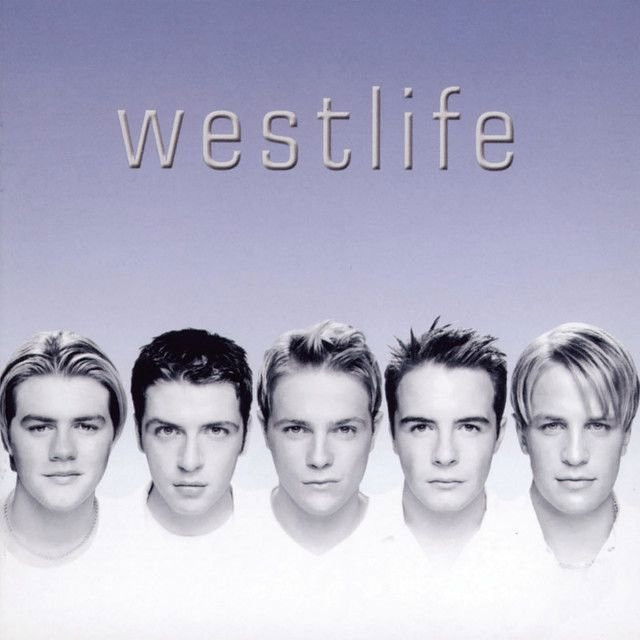
Released as a single from Westlife’s debut era, the track helped define the group’s early style: polished pop, strong harmonies, and heartbreak delivered with a calm, almost stunned tone. Written by David Kreuger, Jörgen Elofsson, and Per Magnusson, it fits the same late-1990s and early-2000s pop tradition that favored clean melodies and emotional clarity.
A Breakup Song About Missing the Signs
At its core, this song is about feeling blindsided, then realizing the clues were always there. The narrator looks at a partner’s face and senses distance, but that understanding comes too late. When they say written all over your face
, the idea is that the truth was visible, yet still somehow unread.
That is what makes the song sting. The pain is not only that love ended. It is that the singer now believes they should have known. The repeated idea of read the signs
turns the breakup into a personal failure as well as a romantic one.
Interpretation: The title is important because “fool” is harsher than “heartbroken.” It suggests wounded pride. They are not only grieving the relationship; they are also ashamed of how much faith they placed in it.

Watch the official Fool Again
music video
Who They Are Singing To
The song speaks directly to a former partner, but it does so without rage. That restraint matters. Instead of attacking the other person, the narrator asks questions and tries to reconstruct what happened.
When they ask who will take my place
, it hints that someone else may already be involved, or at least that emotional replacement has begun. The lyric does not prove cheating. It does, however, show insecurity and a sudden fear that they were more replaceable than they believed.
The Deeper Wound Is Silence
One of the song’s strongest ideas is that the relationship did not fail in one dramatic moment. It failed through poor communication. The narrator insists, You never told me
, which shifts the story from simple rejection to confusion.
They believe they could have helped, listened, or changed if they had been given the chance. That feeling appears again when they say the partner should have reached out when lonely. In plain terms, the song mourns not just lost love but lost opportunity.
How the Story Unfolds Line by Line
The emotional timeline is simple and effective:
- They notice visible distance.
- They realize the relationship is ending.
- They blame themselves for not seeing it sooner.
- They also blame the partner for staying silent.
- They imagine turning back time, even though they know it is over.
That structure gives the song its wide appeal. Most people know this feeling: replaying old moments after a breakup and assigning new meaning to them. A face, a pause, a cold tone, a missed phone call—suddenly every memory becomes evidence.
Can't believe that I'm a fool again
I thought this love would never end
Those lines carry the song’s emotional center. First comes disbelief, then the confession that trust had been total. The heartbreak lands because the narrator was not cautious. They were all in.
Why the Chorus Feels So Universal
The chorus works because it is easy to step into. It does not rely on highly specific images or private references. Instead, it uses plain language that captures a common post-breakup thought: how did they not see this coming?
That simplicity is part of Westlife’s strength. Their biggest ballads often used direct, accessible wording, which made them easy for listeners to connect with. In “Fool Again,” the hook keeps returning to the same emotional loop—shock, self-blame, confusion—and that repetition mirrors how regret actually works.
Interpretation: The word “again” suggests this is not the first time the narrator has trusted too easily. Whether that means past relationships or a broader pattern of emotional openness, the title hints at old wounds being reopened.
How the Production Carries the Meaning
The arrangement supports the lyrics by staying gentle and controlled. Rather than pushing toward anger, the music leans into sadness and reflection. The tempo is moderate, the melody is smooth, and the vocal delivery sounds wounded but composed.
That matters because a louder or more dramatic production could have turned the song into accusation. Instead, the pop-ballad style keeps the focus on hurt realization. Westlife’s harmonies soften the edges, making the regret feel shared and human rather than bitter.
There is also a contrast between the polished production and the narrator’s messy emotions. That contrast is classic boy-band storytelling: the feelings are raw, but the presentation is graceful. It lets the sadness feel safe enough for a wide audience.
Why “Fool Again” Endures
Part of the reason this track lasts is that it captures a very specific stage of heartbreak: the aftermath when memory starts editing itself. People often do not fully understand a breakup until they are already outside it.
The meaning of Fool Again Westlife stays powerful because it blends two pains at once. There is the pain of being left, and there is the pain of realizing they may have been loved less deeply than they thought. That second realization often hurts longer.
For many listeners in the United States and beyond, the song also represents peak early-2000s pop ballad craft—clean, emotional, and easy to sing along with. Its sadness is clear without being overly complicated, which is exactly why it still connects.
Final Thought on the Song’s Message
In the end, “Fool Again” is about heartbreak filtered through hindsight. It shows how people can feel both wronged and responsible after love collapses.
Interpretation disclaimer: This reading is based on the released lyrics, performance, and production style. Like most pop songs, “Fool Again” can support more than one personal interpretation.








