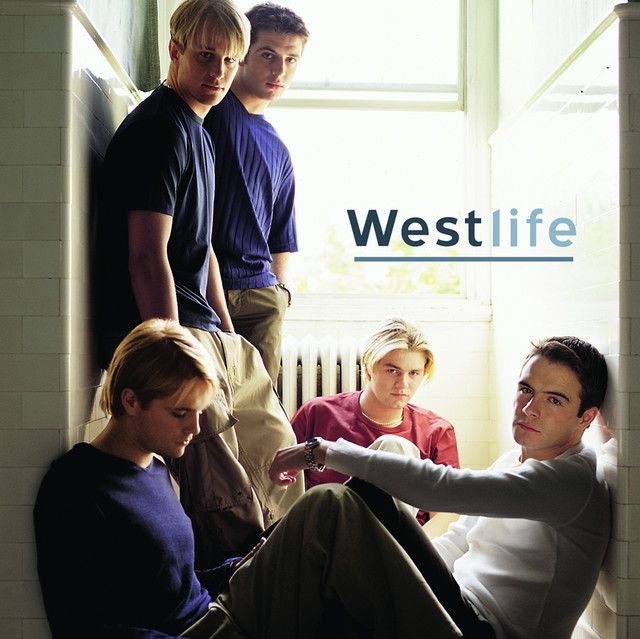
Why 'If I Let You Go' Still Feels So Fragile
For many listeners, the meaning of If I Let You Go Westlife comes down to one simple fear: missing a chance at love because they were too afraid to speak. The song is not about a breakup in progress. It is about the moment before action, when someone stands at the edge of confession and freezes.
"If I Let You Go" - Westlife
Time passed away
And I just can't get you out of my mind
Loading lyrics...
Unable to load lyrics
We're unable to display the lyrics at this time. Please try again later.
Released on 9 August 1999 as the second single from Westlife's debut era, the track became the group's second UK No. 1 and later earned Platinum certification in the UK, showing how strongly this nervous, romantic message connected with pop audiences. According to publicly available chart and credit information, it was written by Jörgen Elofsson, Per Magnusson, and David Kreuger, and produced by Magnusson and Kreuger.
A Love Song About Hesitation, Not Certainty
At its core, the song follows a narrator who is deeply in love but cannot bring himself to say it out loud. He keeps the feeling private, turns it over in his mind, and worries that silence might cost him everything. When they sing about hiding emotion and lacking the courage to show it, the point is clear: the real conflict is internal.
That is why the chorus matters so much. The key line, if I let you go
, is not really about releasing someone after a relationship. It is about letting an opportunity pass. The bigger fear is not rejection. It is never knowing what could have happened.
Interpretation: This gives the song a universal meaning. Many people do not relate to grand romance every day, but they do relate to regret, overthinking, and the pain of staying quiet.

Watch the official If I Let You Go
music video
How the Verses Build the Song's Emotional Trap
The opening lines frame a person stuck in routine. Day after day and night after night, the feeling does not fade. That repetition is important because it creates emotional pressure. They are not dealing with a passing crush; they are dealing with a thought that keeps returning.
The song also uses simple opposites to sharpen the problem. He feels close emotionally, yet distant in real life. The phrase worlds apart
suggests a gap that may be social, emotional, or circumstantial. Whatever the reason, it makes the confession feel risky.
Another revealing phrase is taking the easy way out
. In plain terms, that means doing nothing. The song treats silence as the easier choice in the short term, but possibly the more painful one in the long term. That tension drives the whole lyric.
Will I ever see yousmiling back at me?
Those lines capture the heart of the song's longing. He is not dreaming about dramatic passion. He is imagining one small sign of returned feeling. That makes the song feel tender rather than flashy.
The Chorus Turns Anxiety Into the Main Theme
The chorus works because it asks questions instead of making promises. Pop love songs often declare certainty, but this one lives in doubt. By asking what life would be like and whether love would be returned, the song gives listeners room to place their own fears inside it.
The short phrase holding you close
represents the future he wants, but it remains imaginary. He can picture intimacy, yet he cannot reach it until he speaks. In that sense, the chorus is about possibility suspended in midair.
Interpretation: The meaning of If I Let You Go Westlife is not simply "tell someone how you feel." It is also about how imagination can become its own kind of prison. He sees the future so clearly that his fear becomes even stronger.
Why the Sound Feels Gentle but Urgent
Part of the song's impact comes from its production. Recorded at Cheiron in Stockholm, it carries the polished late-1990s pop style associated with Scandinavian hitmaking: clean percussion, soft keyboard textures, controlled build, and a chorus designed to open wide without becoming aggressive.
The arrangement supports the lyric well. Strings add emotional lift, while the steady beat keeps the song moving forward, almost like time itself pushing the narrator toward a decision. The vocals, shared among Westlife members, sound earnest rather than overly dramatic. That balance helps the song feel believable.
Instead of exploding with heartbreak, the track swells with restraint. Even when the chorus rises, it never loses its softness. That matters because the song is about shyness. A harsher or louder production would have weakened the idea.
Westlife Context Helps Explain the Song's Appeal
In 1999, Westlife were building their identity as a harmony-focused pop group specializing in sincere, emotionally direct singles. "If I Let You Go" fit that image perfectly. It followed their debut hit and confirmed that they could turn vulnerable romance into mass appeal.
The music video, filmed in Tenerife and directed by Sven Harding, also leans into that clean, wistful mood with open landscapes and soft visual drama. It does not complicate the song's message; it reinforces it.
Its chart success also tells part of the story. A shy, uncertain ballad-pop single reaching No. 1 suggests that audiences heard something familiar in it. Beneath the polished surface, the song speaks to a basic human problem: knowing what they feel and still not knowing how to say it.
A Lasting Meaning Built on a Simple Question
What makes this song endure is its emotional timing. It lives in the pause before the leap. Plenty of songs describe love won or love lost; fewer capture the fear of standing still while life moves on.
So the meaning of If I Let You Go Westlife is best understood as a portrait of romantic hesitation. Its narrator is caught between self-protection and possibility, knowing that silence may feel safe now but painful later.
That is why the song still lands. It understands that some of the biggest emotional moments in life happen before anything actually happens.
Disclaimer: This interpretation is based on the lyrics, recording context, and public release information. As with any song, listeners may hear meanings that differ from this reading.









