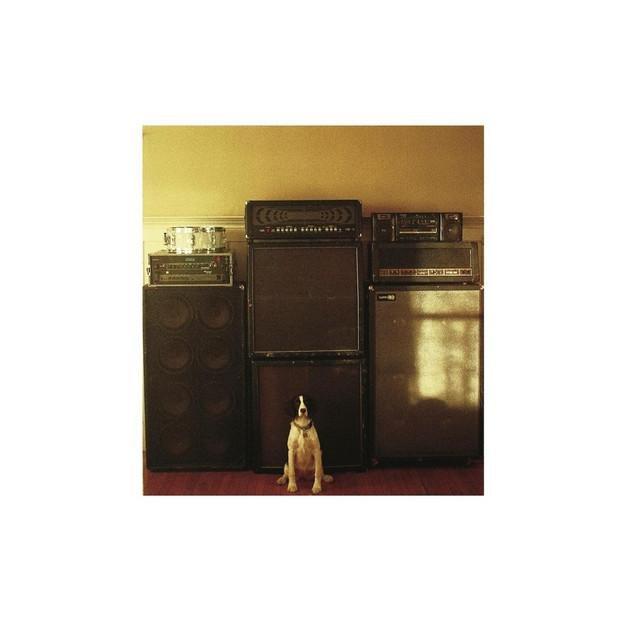
Leave by Whirr: A Promise You Can't Outrun
The meaning of Leave Whirr centers on a hard truth: some people try to escape guilt, pain, or old habits, but they carry those things with them. The song is brief and repetitive, yet that is exactly why it hits so strongly. Rather than telling a detailed story, it circles one emotional trap again and again.
"Leave" - Whirr
Don't change the way you were because I said so
Run away from your mistakes
Loading lyrics...
Unable to load lyrics
We're unable to display the lyrics at this time. Please try again later.
Whirr built their reputation in heavy, blurred shoegaze, and that style matters here. On the band’s Pipe Dreams era material, they often paired dreamy texture with emotionally closed-off writing. In “Leave,” the words sound direct, but the message is not simple comfort. It feels more like a warning.
The Core Idea Hiding in Plain Sight
At the most basic level, the song speaks to someone who wants distance from their mistakes. The lyric voice gives commands, but those commands are unstable. It says don't change
and also pushes the person to run away
. That tension is the whole song.
On one level, this can sound protective, as if the speaker is telling someone not to let shame remake them. On another, it sounds controlling. The phrase because I said so
makes the relationship feel uneven, almost like the speaker is trying to direct another person’s identity.
Interpretation: The song may be about emotional dependence. One person acts as if they know what is best, but their guidance keeps the other person stuck instead of free.
Watch the official Leave
music video
A Voice That Sounds Caring and Harsh
The song’s most striking feature is its mixed message. The speaker says the other person should not become someone else because of outside pressure. That sounds kind at first. But the next lines shift into avoidance, telling them to flee their failures and what they hate.
That matters because running from pain is not the same as healing it. When the song lands on promise you need to keep
, it turns private struggle into obligation. The person being addressed is now responsible not just for their own feelings, but for carrying out the speaker’s demand.
Why the Title “Leave” Matters
The title points to escape, but the lyric undercuts that hope. The line you'll never leave
suggests that departure is not physical. They may walk away from a place, a person, or a memory, but inwardly they remain tied to it.
That contradiction gives the track its bite. “Leave” is about the wish to exit a painful state and the fear that real exit may be impossible.
How the Repetition Builds the Meaning
The lyrics repeat almost exactly, and that is not filler. The repetition acts like a thought loop. Instead of progress, the song creates recurrence. The same commands return, the same guilt returns, and the same impossible condition returns.
So you will
That's a promise
you need to keep
This is the emotional pivot of the song. The speaker is no longer only advising; they are binding the other person to a vow. Even if listeners do not know the full backstory, they can hear pressure in that move.
Interpretation: The repeated structure may mirror anxiety itself. People often replay the same self-protective ideas until they become rules, even when those rules do not help.
Sound First, Then Meaning
Whirr’s music often works by mood before detail, and “Leave” follows that pattern. Their washed-out guitars, soft-but-distant vocals, and dense mix create a feeling of being surrounded. Instead of offering clarity, the production blurs the edges.
That blur supports the meaning of Leave Whirr in two ways:
- It makes the commands feel ghostly rather than firm.
- It turns emotional conflict into atmosphere, not just statement.
- It suggests numbness, where pain is present but hard to touch directly.
In shoegaze, vocals are often treated as another texture. Here, that choice makes the speaker feel both intimate and unreachable. Listeners hear the pressure of the words, but the haze keeps full explanation out of reach. That balance is a big part of why the song lingers.
Artist Context Helps Explain the Mood
Whirr emerged from the American shoegaze revival of the 2010s, a scene that drew on distortion, dream-pop melody, and emotional restraint. According to AllMusic, the band became known for thick, melodic guitar music with a darker edge than many of their peers.
Nick Bassett is credited as the writer here, and that fits the song’s stripped-down emotional design. Rather than using many images or plot points, the writing focuses on one conflict and lets mood do the rest. That sparseness is effective because the production fills in the emotional space around it.
Two Strong Readings of the Song
There is more than one reasonable way to hear “Leave.”
Reading One: A toxic relationship
In this reading, one person talks to another in a possessive way. They claim to offer guidance, but really they set the rules. Phrases like because I said so
and you'll never leave
support that view. The song becomes about manipulation dressed up as care.
Reading Two: A fight with the self
The song also works as an inner monologue. The speaker and the listener could be the same person. In that version, the commands reflect self-protection: do not change, do not face the past directly, keep moving, keep avoiding. But the ending shows the cost: unresolved pain still holds on.
Both readings fit because the lyrics are spare and the performance is emotionally muted. Whirr leave room for listeners to place their own experience inside the song.
Why “Leave” Still Connects
The song captures a familiar modern feeling: wanting relief without knowing how to earn it. Its language is simple, but its emotional logic is messy. That is why the track feels honest.
The meaning of Leave Whirr is less about a single event than a pattern. It shows how people can confuse staying the same with staying safe, or mistake escape for freedom. The music deepens that idea by making everything feel suspended, unresolved, and slightly out of reach.
In the end, “Leave” is powerful because it does not pretend closure is easy. It hears the promise to move on, then questions whether that promise can ever be kept.
Disclaimer: This interpretation is based on the released lyrics, song context, and Whirr’s recorded style. As with most art, listeners may reasonably hear different meanings.







