Why 'I Give Myself Away' Hits So Deep
For many listeners, the meaning of I Give Myself Away William McDowell comes down to one clear idea: complete surrender to God. The song does not hide its purpose behind complex poetry. Instead, it uses simple, repeated language to turn a personal prayer into a shared act of worship.
"I Give Myself Away" - William McDowell
I give myself away
So You can use me
Loading lyrics...
Unable to load lyrics
We're unable to display the lyrics at this time. Please try again later.
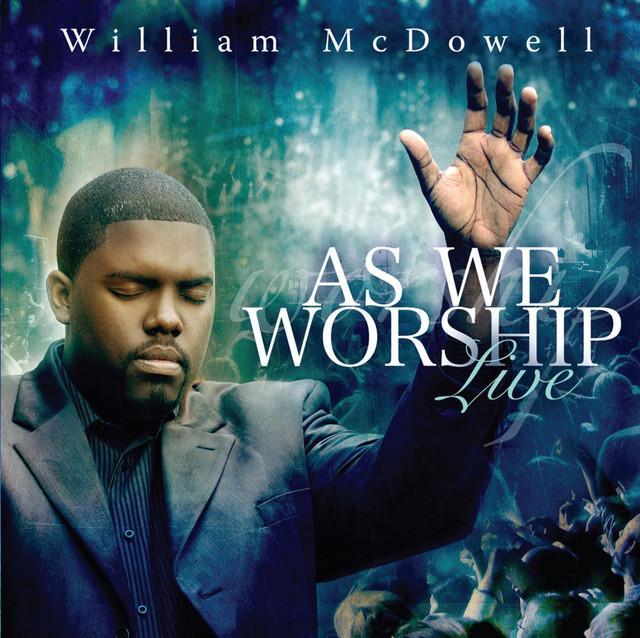
William McDowell is a gospel worship leader and songwriter known for music centered on praise, devotion, and spiritual commitment. In that context, this song stands out because it focuses less on asking God for help and more on offering oneself back to God.
A Worship Song About Surrender, Not Success
At its core, the song is about yielding control. The singer is not chasing comfort, status, or even personal clarity. They are saying that their life should be available for God’s will.
That is why the main refrain, I give myself away
, feels so strong. It is direct and costly. The lyric suggests not a small gesture, but a full offering of the self.
This is reinforced by the short line So You can use me
. The idea is not surrender for surrender’s sake. The point is purpose. In plain terms, the singer wants their life to become useful in a spiritual sense.

Watch the official I Give Myself Away
music video
How the Verses Expand the Chorus
The verses explain what this surrender includes. When the song says Here I am
and my life is in your hands
, it frames the moment like a prayer of availability. The singer is present, open, and ready.
Then the song gets more specific. It offers the heart, life, dreams, and plans. That move matters because it turns surrender from a vague feeling into practical devotion. This is not just about emotion during worship. It is about letting faith reshape ambition, identity, and direction.
One of the clearest moments comes in the image of a living offering:
Take my heart
Take my life
As a living sacrifice
Even without quoting much, the meaning is plain. The singer is not talking about a one-time moment. They are describing an ongoing life of devotion, where everyday choices become an offering.
The Big Spiritual Theme Behind the Lyrics
A central line in the song is My life is not my own
. That phrase carries much of the song’s theology. It expresses the Christian belief that life belongs to God, and that believers are called to live in response to that truth.
Interpretation: This is why the song can feel both freeing and demanding. On one hand, giving up control can sound difficult. On the other, the song presents surrender as relief from self-rule. The singer no longer has to build life around private desires alone.
That helps explain why the song feels peaceful rather than fearful. Its message is serious, but its tone is trusting. The surrender here is willing, not forced.
Why Repetition Matters So Much
Some songs use repetition because they lack ideas. This song uses repetition as a worship tool. By returning again and again to the same phrases, it creates space for reflection, prayer, and emotional participation.
In gospel and praise settings, repetition often helps a congregation move from singing words to meaning them. A repeated line can deepen from statement to confession. That is likely why the hook lands so powerfully in live settings.
Interpretation: The repeated chorus also mirrors the real struggle of surrender. For many believers, giving themselves to God is not a single decision completed once. It is something they must keep choosing.
How the Sound Carries the Message
The song’s arrangement supports its meaning in a clear way. It is built in the style of contemporary gospel worship: steady tempo, patient build, rich keyboard layers, strong choir support, and a lead vocal that balances instruction with emotion.
Instead of rushing, the music lingers. That gives the central words time to sink in. The call-and-response feel also matters. It makes the song sound communal, as if one person’s prayer becomes everyone’s prayer.
McDowell’s delivery is also key. They do not sing the lines like abstract doctrine. They sing them like a testimony and invitation. That vocal approach keeps the song warm and human, even as its message is spiritually weighty.
Why the Song Connects With So Many People
Part of the song’s lasting power is its accessibility. The language is simple enough for almost anyone to understand on first listen. But the idea behind it is deep enough to stay with people long after the music ends.
It also speaks to a common spiritual tension: the gap between personal plans and divine calling. By placing dreams and desires in God’s hands, the song gives listeners a way to voice trust when life feels uncertain.
For church audiences in the United States especially, that helps explain the song’s wide impact. It works as personal devotion, altar-call music, and congregational worship all at once.
The Meaning in One Sentence
The meaning of I Give Myself Away William McDowell is that true worship is not only sung; it is lived. The song says a faithful life begins when a person stops treating their life as self-owned and instead offers it to God’s purpose.
Final Thought
What makes this song memorable is not lyrical complexity. It is clarity. It takes a huge spiritual idea, total surrender, and expresses it in words ordinary people can carry into daily life.
That simplicity is its strength. Interpretation: listeners who connect with it are often hearing more than a chorus; they are hearing a personal vow.
Disclaimer: This interpretation is based on the lyrics provided, gospel worship conventions, and publicly known artist context. Meaning in worship music can vary by listener and faith experience.







