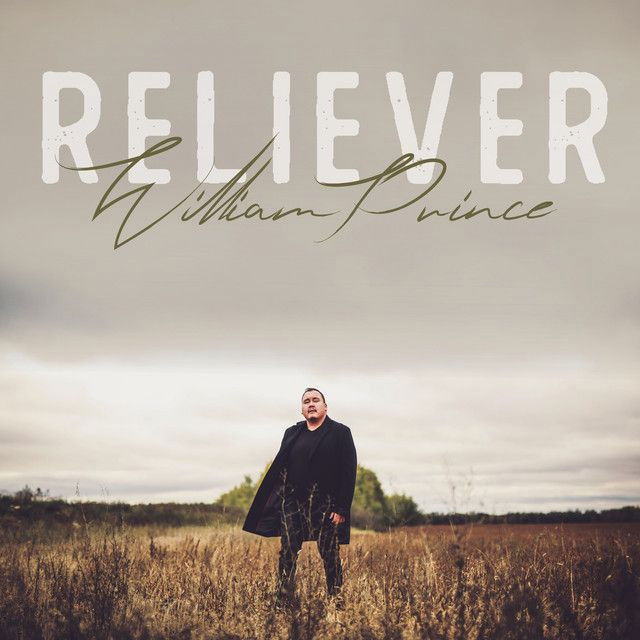
The Gun by William Prince
A hard truth wrapped in a quiet song
Anyone searching for the meaning of The Gun William Prince will hear a song that sounds calm on the surface but carries real danger underneath. The key idea is simple: a person cannot hold onto love, health, or peace if they keep living in ways that are destroying them.
"The Gun" - William Prince
If you don't love yourself some
She could be the only one and still not want to stay
Loading lyrics...
Unable to load lyrics
We're unable to display the lyrics at this time. Please try again later.
The title image says most of it. Prince compares inner damage to living with a loaded gun
. That metaphor turns private pain into something tense and immediate. This is not just sadness. It is a warning about habits, despair, and the way a person can become a danger to their own future.
Watch the official The Gun
music video
The song’s core message: love is not enough
At the start, the speaker gives advice that feels parental and direct. They say, in effect, that romance cannot fix a person who does not care for themselves. The line about love yourself some
matters because it sets the song’s moral center.
Even if someone finds the right partner, that relationship may still fail if the deeper wound goes untreated. When Prince says a woman could still leave, he is not blaming her. He is showing that love has limits when addiction, depression, or self-neglect take over.
Interpretation: the song is less about heartbreak alone and more about personal collapse that makes heartbreak almost inevitable.
Who is speaking, and why it matters
The voice in “The Gun” feels split between confession and warning. At moments, it sounds like an older guide talking to a younger man. At other moments, it sounds like the singer talking to himself after learning these lessons the hard way.
That shift gives the song weight. It lets Prince move from advice to autobiography without making the song feel messy. The listener hears a person who knows the damage firsthand.
A brief turn from lecture to confession
The middle section sharpens this change:
tick tick talk
time that I have left
give up these cigarettes
These short phrases point to mortality. The speaker is no longer talking in general terms. They are measuring time, naming a self-destructive habit, and admitting that change keeps getting delayed.
The story the verses tell
The narrative moves in three rough stages:
- A warning about self-worth. If a person ignores what has been doing their
soul wrong
, they cannot build stable love. - A confession of decay. The speaker admits habits that waste the body and spirit, including drinking, smoking, and reckless intimacy.
- A memory of emotional collapse. They reveal there was once a moment when saying goodbye to life itself seemed easier than facing loss.
That last turn is the song’s heaviest moment. Prince describes a fantasy of disappearing into a field and closing his eyes. He does not romanticize that thought. He presents it as evidence of how deep the pain went.
Because the song later returns to the woman he loved, it becomes clear that heartbreak is part of the crisis, but not the whole thing. The breakup did not create every problem. It exposed problems already there.
The symbols that carry the song
The title image is the strongest symbol, but it is not the only one. Prince fills the lyric with objects that feel ordinary yet loaded.
The gun
A gun suggests stored force, danger, and the chance of irreversible harm. In this song, it stands for inner turmoil left unmanaged. The person is carrying risk around every day.
Cigarettes and whiskey
These are not glamorous details. They work as signs of slow self-erasure. The point is not that the song is anti-pleasure; it is that these habits become ways of avoiding pain until they leave nothing left
.
Wind and worn fabric
When the body is compared to something hanging loose in the wind, the image suggests a life coming apart at the seams. It is a vivid way to describe fragility without using medical language.
How the sound deepens the meaning
William Prince is known for plainspoken songwriting rooted in folk and country traditions. Coverage of his later work, including PopMatters, notes how often he writes about distance, change, and the strain between staying and leaving. That broader context fits “The Gun,” which also balances motion and damage, longing and warning.
Musically, the song’s likely power comes from restraint. Prince usually sings with a low, steady presence rather than dramatic excess, a style heard across releases listed on his official site. That matters here. A song about self-destruction could become melodramatic, but a grounded vocal makes it feel lived-in and believable.
Interpretation: the plain arrangement and measured delivery mirror the lyric’s message. The speaker is not screaming for help. They are admitting hard truths in a voice that sounds tired, honest, and a little stunned by what they have survived.
More than heartbreak: a song about responsibility
One of the smartest things in “The Gun” is that it refuses easy excuses. The speaker still honors the past relationship. He says the woman he loved gave him more than anyone before. That memory is tender, not bitter.
But the song does not turn her into the villain. Instead, it asks what happens when someone expects another person to save them from themselves. The answer is bleak: no one can do that job for long.
This is why the meaning of The Gun William Prince feels so lasting. It joins compassion with accountability. The singer understands pain, yet he still says a person must face what is wrong inside.
Final takeaway
“The Gun” is about self-destruction before it becomes final. It warns that untreated pain can wreck love, body, and spirit, even when genuine care is present. Its images of the gun, cigarettes, whiskey, and empty time all point to one truth: survival begins with honest self-recognition.
That is the song’s lasting force. It is sad, but it is also clear-eyed. Interpretation disclaimer: song meaning is never fully fixed, and this reading is an informed interpretation based on the lyric, performance, and available artist context.








