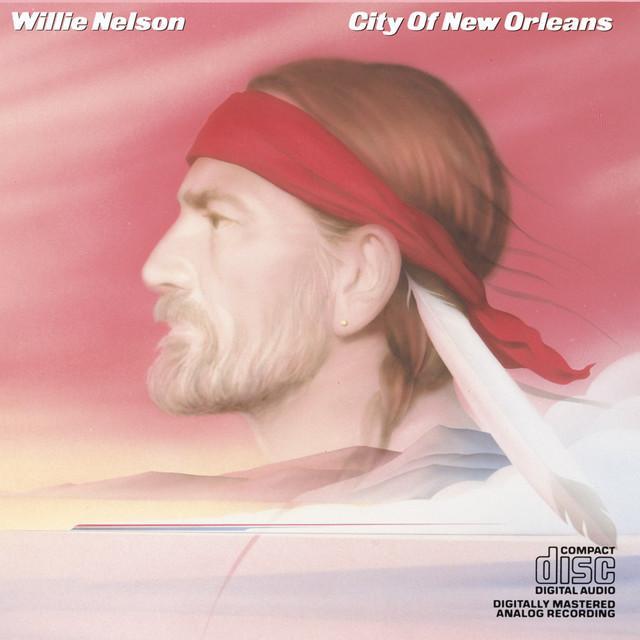
City of New Orleans by Willie Nelson
A Train Song That Feels Bigger Than a Train
The meaning of City of New Orleans Willie Nelson starts with a simple image: a train moving south from Chicago to New Orleans. But the song does more than describe travel. It turns one ride into a portrait of America, full of workers, families, small towns, and fading routines.
"City of New Orleans" - Willie Nelson
Illinois central Monday morning rail
Fifteen cars and fifteen restless riders
Loading lyrics...
Unable to load lyrics
We're unable to display the lyrics at this time. Please try again later.
Factually, Willie Nelson did not write the song. Steve Goodman wrote it, first recorded it in 1971, and Willie Nelson later turned it into a No. 1 country hit in 1984 as the title track of his album City of New Orleans. That matters because Nelson’s version carries Goodman's story into a warmer, more country-centered sound.
At heart, the song is about movement, memory, and loss. It watches ordinary life pass by and asks what disappears when an older American way of traveling starts to fade.

Watch the official City of New Orleans
music video
What the Story Shows on the Rails
The verses unfold like scenes through a train window. They move from morning into night, giving the ride a full-day arc. Along the way, the song notices riders, rail workers, clubs, fields, freight yards, and towns.
This detail is why the song feels so real. Specific names such as Kankakee and Memphis ground it in a lived landscape rather than a vague dream. The train is not just a setting. It becomes a moving cross-section of the country.
One key phrase is Good morning America
. The song is not only greeting passengers. It is greeting the nation itself. Another key line, native son
, gives the train a human voice and suggests that rail travel belongs to the country’s identity.
The Chorus Turns the Train Into a Symbol
The chorus is the emotional center of the song. It briefly lets the train speak for itself, which changes the whole meaning. Instead of just watching the train, listeners hear it as if it were alive, proud, and also a little lonely.
I'm the train they callthe city of New Orleans
That short moment gives the song its symbolic power. Interpretation: the train stands for an older America that still recognizes itself, even as it senses that the world is changing around it.
The repeated distance marker, five hundred miles
, adds momentum, but it also adds sadness. The miles suggest progress, yet they also underline how quickly a day, a journey, or an era can pass.
People, Class, and the American Patchwork
One reason the song lasts is that it notices many kinds of people without turning them into speeches. There are old men playing cards, mothers rocking babies, workers tied to the railroad, and passengers drifting through the day.
The mention of the sons of Pullman Porters
is especially important. Pullman porters were Black railroad workers with a major place in American labor and civil rights history. In just a few words, the song points to inherited work, family tradition, and the generations carried by the rail system.
It also shows a mix of classes and ages sharing one moving space. A club car game, a paper bag bottle, sleeping children, and working conductors all exist side by side. Interpretation: the train becomes a temporary democracy, where many American lives travel together whether or not they fully know each other.
Nostalgia With a Shadow Over It
The song sounds affectionate, but it is not simple nostalgia. It includes signs of wear and decline. Freight yards, rusted cars, and nameless passing trains suggest a world losing sharpness and pride.
The most revealing image is disappearing railroad blues
. That phrase says the quiet part out loud. This is not just a song about enjoying the ride. It is about feeling the end of something once central to American life.
Steve Goodman wrote the song after riding the Illinois Central line, and that real trip helps explain the vivid details. According to the song history, the lyric grew from that firsthand journey. So even when the song feels mythic, its roots are concrete.
Why Willie Nelson’s Version Hits So Deep
Willie Nelson’s recording changes the feel without changing the core message. His voice is relaxed, worn-in, and deeply human. He sings like someone who already knows the ride cannot last forever.
Production matters here. Nelson’s 1984 version, produced by Chips Moman and Nelson, leans into gentle country instrumentation and an easy tempo. The arrangement does not rush. That spaciousness mirrors the rolling motion of the train and gives the listener time to sit with each image.
His phrasing also softens the song’s sharper sadness. Rather than making the decline feel dramatic, he makes it feel lived-in. That choice broadens the song from a folk narrative into something closer to a national memory.
A Hit Version With Cultural Weight
Willie Nelson’s cover was not just respected; it was successful. It reached No. 1 on the U.S. country chart in 1984, and Steve Goodman posthumously won the Grammy for Best Country Song in 1985 for Nelson’s version.
That reception supports the song’s deeper meaning. Listeners clearly heard more than a travel tale. They heard a song about belonging, loss, and continuity in a country that often moves forward by leaving things behind.
The Most Lasting Meaning
So what is the meaning of City of New Orleans Willie Nelson? In plain terms, it is about a train ride that becomes a meditation on America itself. It celebrates everyday people and shared motion, while mourning the slow disappearance of an older national rhythm.
Interpretation: the song suggests that progress is never clean. New things arrive, but they often push older forms of community into memory. Willie Nelson’s version feels so powerful because it sings that truth with warmth instead of bitterness.
Their listeners do not need to know railroad history to feel it. They only need to hear a voice traveling through a landscape that is still familiar, even as it slips away.
Disclaimer: This interpretation blends documented song history with critical reading of the lyrics and performance. Meaning can vary from listener to listener.







