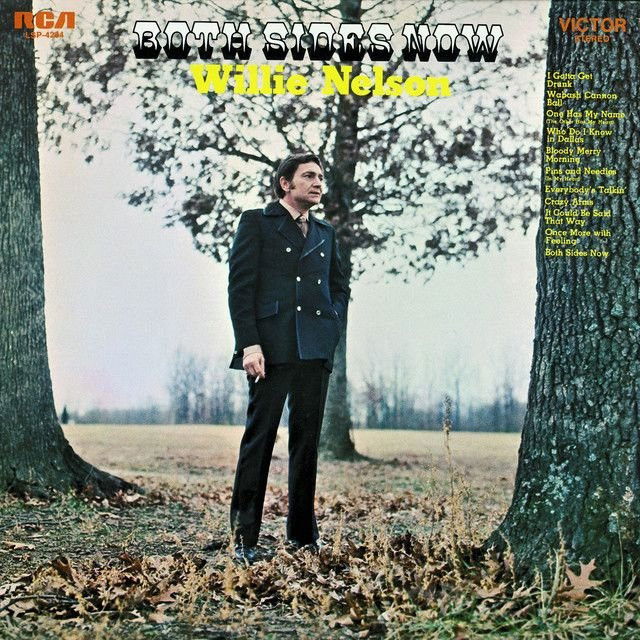
I Gotta Get Drunk by Willie Nelson
A barroom joke with a sad edge
The meaning of I Gotta Get Drunk Willie Nelson starts with a contradiction. The singer says they have to drink, but they also admit they already know the damage it will cause. That tension gives the song its bite. It sounds loose and funny on the surface, yet the words point to a cycle they can see clearly and still cannot stop.
"I Gotta Get Drunk" - Willie Nelson
And I sure do dread it
'Cause I know just what I'm gonna do
Loading lyrics...
Unable to load lyrics
We're unable to display the lyrics at this time. Please try again later.
Willie Nelson wrote the song, and it fits an early part of his catalog where wit and pain often sit side by side. In simple language, the narrator predicts the whole night before it begins: wasted money, cheap romance, public foolishness, and regret. The line I sure do dread it
is the key. It turns the song from a party anthem into a portrait of self-awareness.

Watch the official I Gotta Get Drunk
music video
The speaker knows the pattern
This is a first-person barroom narrator, but the song invites listeners to see more than a funny drunk story. The singer is not confused. They know exactly what will happen after the first drink. They will start calling everybody honey
and end up singing the blues
. In other words, alcohol brings false warmth at first, then loneliness.
That emotional swing matters. Nelson builds a character who treats self-destruction like a routine. The humor works because the routine is so familiar. The narrator makes bad choices sound almost scheduled, as if the night has already been written.
A quick map of the story
The song unfolds in a clear pattern:
- The narrator says they must drink.
- They admit they hate what follows.
- They describe spending money and losing control.
- They brush off warnings and order another round.
That structure makes the song feel circular. Nothing changes, and that is the point.
Why the chorus hits so hard
The repeated hook does more than make the song catchy. Each return to I gotta get drunk
sounds a little less like freedom and a little more like surrender. The phrase suggests compulsion, not celebration.
Interpretation: The chorus may be read as a joke told to cover pain. In country music, especially in classic honky-tonk writing, a funny line often protects a harder truth. Here, the hard truth is that the narrator sees the trap and walks into it anyway.
Nelson strengthens that reading by pairing the hook with consequences. The song never pretends drinking leads to romance, wisdom, or escape. It leads to overspending, embarrassment, and old sadness. Even when the singer sounds playful, the outcome is always the same.
Money, doctors, and the crowd
One of the smartest parts of the lyric is how it links drinking to social life. The narrator does not drink alone in a vacuum. They mention people in town who enjoy the show and want to hear them holler
. That detail turns the song into a comment on performance. The town expects this version of the singer, and the singer keeps delivering it.
Then come the warnings from doctors. The song shrugs them off with a punch line about there being more drinkers than doctors. It is funny, but it also shows denial at work. The character hides behind folk wisdom and crowd logic instead of facing the problem.
I'll spend my whole paycheck
On some old wreck
Those two short lines capture another theme: waste. The damage is not abstract. It costs cash, judgment, and dignity.
How Willie Nelson’s style shapes the meaning
Willie Nelson became one of country music’s defining songwriters because he could say a lot with very plain words. The song’s setup is simple, but the emotional design is sharp. That gift appears across his career, from Nashville writing years to the outlaw era documented by the Encyclopaedia Britannica.
Musically, “I Gotta Get Drunk” leans on a classic country barroom feel. The tempo is steady, the phrasing conversational, and the arrangement supports the comic storytelling rather than overpowering it. Listeners can hear the honky-tonk DNA: a tune built for a live room, where laughter and sympathy can happen at the same time.
That matters for interpretation. If the production were gloomy and slow, the song might feel tragic first. Instead, the brighter swing lets Nelson deliver bad news with a grin. The sound and the lyric pull in opposite directions, and that tension is why the song lasts.
Artist context and reception
Nelson wrote the song himself, and that authorship matters. He was already known in Nashville as a major songwriter before becoming a superstar performer, a fact recognized by the Country Music Hall of Fame. Because of that background, listeners often approach his drinking songs with extra attention to craft. Even the loosest number may carry a deeper emotional design.
“I Gotta Get Drunk” has often been received as a crowd-pleasing, funny Willie Nelson song. That reading is fair. But the lyric earns a second look because it never fully celebrates what it describes. The joke lands because the narrator sounds trapped inside it.
Final take on the song’s message
The meaning of I Gotta Get Drunk Willie Nelson is not just that someone wants a drink. It is about repeating a harmful pattern while pretending it is no big deal. The singer turns self-knowledge into comedy, but the comedy never erases the sadness.
Interpretation: The song can be heard as both a honky-tonk laugh line and a quiet warning about habit, denial, and public identity. That double meaning is part of what makes Willie Nelson such a strong writer.
This reading is an interpretation based on the lyrics, performance, and known artist context; listeners may hear the song differently.








