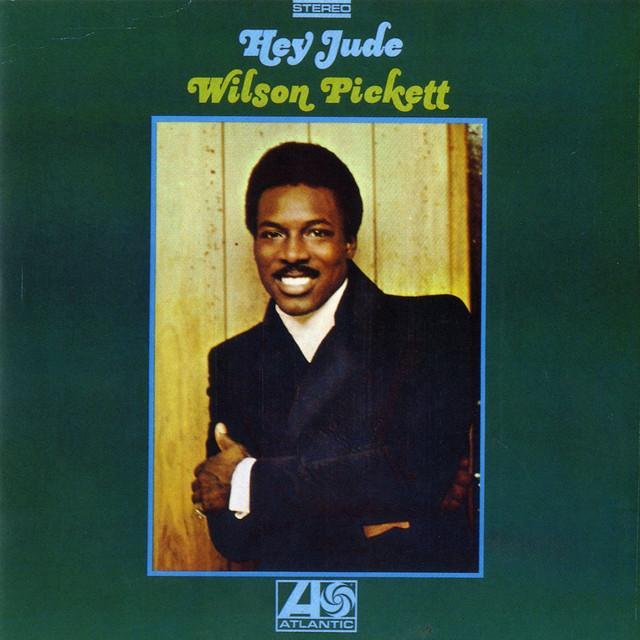
Hey Jude by Wilson Pickett
The meaning of Hey Jude Wilson Pickett starts with a strange but exciting fact: this is a soul singer taking on one of the Beatles’ most comforting songs and turning it into something more urgent, more physical, and more gospel-like. The original song was written by Paul McCartney, credited to Lennon-McCartney, and widely understood as a message of comfort for Julian Lennon during his parents’ split, according to the song’s history. Wilson Pickett keeps that core message, but he delivers it with tougher emotion.
"Hey Jude" - Wilson Pickett
Take a sad song and make it better
Remember to let her into your heart
Loading lyrics...
Unable to load lyrics
We're unable to display the lyrics at this time. Please try again later.
Instead of sounding like gentle advice from a friend, Pickett’s version feels like hard-won encouragement from someone who knows pain firsthand. That shift is what gives the cover its own identity.
A Comfort Song Turned Into Soul Testimony
At its heart, the song speaks to someone in distress and tells them not to stay trapped there. Early lines urge Jude to face sadness and transform it. When the song says make it better
, it does not promise instant healing. It pushes toward action.
That matters in Pickett’s hands. He was one of soul music’s great shouters, and his vocal style adds grit to a lyric that might otherwise feel soft. Their performance makes the advice sound earned.
Interpretation: In this version, the song is not just about cheering someone up. It becomes a demand for emotional courage.
Watch the official Hey Jude
music video
Who Is Being Addressed Here?
The lyrics speak directly to “Jude,” using commands and reassurance. Phrases like don’t be afraid
and let her into your heart
suggest someone hesitating before love, change, or vulnerability.
On the factual side, McCartney said he began the song as “Hey Jules” for Julian Lennon before changing the name to Jude. But the words are broad enough to fit many situations. That openness is part of why the song lasted.
For Pickett, that direct address feels less like private comfort and more like public witness. They are singing to one person, but it sounds aimed at everyone who has ever tried to hide hurt.
How the Lyrics Build Their Message
The writing is simple, but it is not random. The song moves through a clear emotional pattern:
- It names pain.
- It warns against fear and emotional shutdown.
- It pushes Jude toward connection.
- It ends in release and repetition.
One key idea is that suffering should not become identity. The warning about carrying too much weight on one’s shoulders tells Jude not to treat pain as a permanent burden. Another line, plays it cool
, criticizes emotional distance. The song suggests that acting detached only makes life colder.
That is why the advice about opening the heart matters so much. The song’s answer to pain is not pride. It is connection.
The Love Song Reading and the Life Lesson Reading
There are at least two strong ways to hear this song.
A romantic reading
Some lines clearly point toward love. The repeated advice to go after “her” and to allow closeness suggests someone afraid to enter or trust a relationship. In that reading, Jude is standing at the edge of intimacy.
A broader healing reading
Interpretation: The song also works as a general pep talk for anyone facing grief, divorce, loneliness, or self-doubt. That wider meaning fits the song’s origin and helps explain its reach.
John Lennon later said he even heard the song as if it were speaking to him. That comment does not erase McCartney’s intent, but it shows how open the lyric is.
Why Wilson Pickett’s Voice Changes the Meaning
Wilson Pickett did not write the song, but his delivery changes its emotional temperature. Where the Beatles version begins with calm piano and grows into a huge communal coda, Pickett leans into the song’s R&B and soul possibilities.
Their phrasing is more forceful. The pain sounds closer. The hope sounds less delicate and more determined.
That matters because the lyric already contains tension: sadness versus healing, fear versus action, isolation versus warmth. Pickett highlights those oppositions by singing as if every line must be fought for.
Hey Jude, don't make it bad
Take a sad song and make it better
Even in this famous opening, the point is not denial. The song admits that things are bad, then insists they do not have to stay that way.
The Sound of Release
Part of what makes “Hey Jude” so memorable is its structure. The Beatles’ original ran over seven minutes and became famous for its long closing section, with a repeated refrain and orchestral build. That coda helped make the song feel communal rather than merely personal, and it was central to its impact and chart success.
Pickett’s version taps that same release, but through soul energy. Repetition here does emotional work. It is not filler. It acts like a chant, a push, and finally a purge.
This is where the meaning of Hey Jude Wilson Pickett becomes clearest: the song says healing begins when someone stops hiding, accepts feeling, and joins others instead of withdrawing. The repeated ending turns private pain into shared strength.
Why the Song Still Connects
The song endures because its language is plain and flexible. A listener does not need every line to be literal. They only need to recognize the feeling: life hurts, love is risky, and people need the courage to open up anyway.
Pickett’s cover survives for the same reason. They do not treat the song like a museum piece. They bring out its soul core — struggle, release, and belief that a wounded person can still move forward.
Final Take on Its Lasting Power
Wilson Pickett’s “Hey Jude” keeps the Beatles song’s central idea of consolation, but makes it burn hotter. The message is still about taking pain and transforming it, yet the performance gives that message muscle.
For many listeners, that is the lasting appeal: comfort that does not sound fragile, but brave.
Disclaimer: This interpretation combines documented background with informed reading of the lyrics and performance. As with many classic songs, some meanings remain open to the listener.








