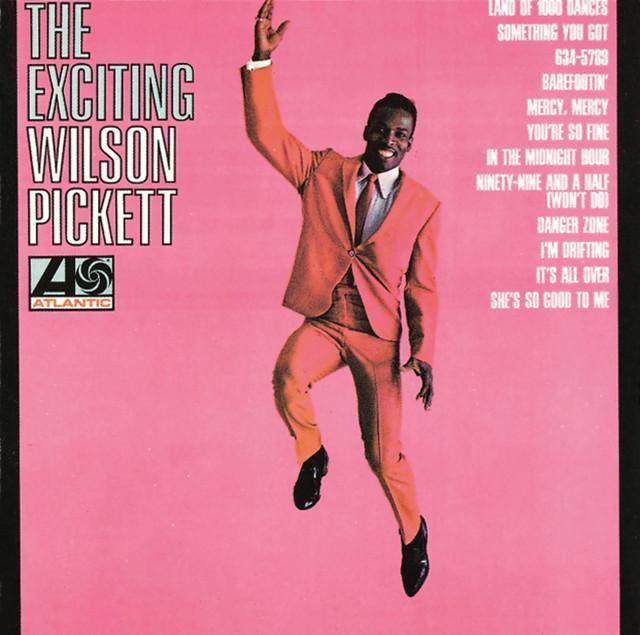
Why Wilson Pickett Turned Dance Into a Riot
The meaning of Land of 1000 Dances Wilson Pickett starts with a simple idea: dancing as freedom, community, and pure release. This is not a story song in the usual sense. Instead, it works like a live party captured on tape, with Wilson Pickett pushing the crowd forward one command, shout, and groove at a time.
"Land of 1000 Dances" - Wilson Pickett
One-two-three
Ow, uh, alright, uh!
Loading lyrics...
Unable to load lyrics
We're unable to display the lyrics at this time. Please try again later.
Factually, the song was written and first recorded by Chris Kenner in 1962, before Pickett turned it into his best-known 1966 hit version. Pickett cut it at FAME Studios in Muscle Shoals, and it became his third No. 1 on the US R&B chart while reaching No. 6 on the Billboard Hot 100. Those details are widely documented in standard reference sources such as Wikipedia and Songfacts.
A Party Song With a Deeper Purpose
On the surface, the song is a roll call of dance crazes. Pickett runs through moves like mashed potato
and do the alligator
, then keeps the energy rising with calls to keep moving. That makes the record feel playful and immediate.
But the bigger meaning is social. The song imagines a place where everybody knows the steps, or at least wants to try. In that sense, the “land” is not literal. It is a musical space where joy replaces worry, and where rhythm brings people together.
Interpretation: This is why the song lasts. It is not asking listeners to think hard about plot. It is asking them to join in.

Watch the official Land of 1000 Dances
music video
How the Lyrics Build a Shared Experience
Instead of telling one clear narrative, the lyrics stack images and instructions. A phrase like put your hand on your hips
gives the listener something physical to do. Another, let your backbone slip
, is less about exact technique than attitude. It suggests loosening up and giving in to the groove.
That matters because Pickett does not sound distant or polished. He sounds like someone in the room, calling out moves as the band gets hotter. Even when the words are simple, the performance gives them force.
The Hook Everyone Remembers
The most famous section is the na-na-na-na-na
chant. Interestingly, that part was not in Chris Kenner’s original recording. Research commonly notes that Cannibal & the Headhunters popularized it in their 1965 version after a forgotten-lyrics moment turned into a hook. Pickett then used that chant in the version most people know.
Interpretation: The chant helps explain the song’s meaning. It removes language barriers and turns the audience into part of the arrangement. Anyone can sing it, even if they do not know the verse.
Why Wilson Pickett’s Version Hits Harder
Pickett’s recording is short, but it feels explosive. The arrangement pairs a hard-driving rhythm section with bright, stabbing horns. Session players connected with FAME Studios and the broader Southern soul scene gave the track its tight pulse and live-wire feel, including musicians from the Muscle Shoals Rhythm Section and the Memphis Horns as listed in major discographies.
That sound shapes the meaning as much as the words do. The beat is relentless, the horns answer Pickett like a second voice, and the whole record seems to accelerate emotionally even when the tempo stays controlled.
The Voice as Meaning
Pickett’s vocal is crucial. He barks, pleads, shouts, and ad-libs with a rough edge that turns dance instructions into emotional commands. Near the end, when he repeats help me
, the phrase can sound playful, intense, or almost ecstatic depending on the listener.
Interpretation: That moment blurs the line between dance and spiritual release. The song is still fun, but there is also a feeling of surrender, as if rhythm has taken over completely.
From New Orleans Roots to Soul Classic
The song’s history also deepens its meaning. Chris Kenner wrote it in 1962, and sources note that his original drew from the structure of the spiritual “Children Go Where I Send Thee.” Kenner’s version even had an introductory idea that framed the song as a trip to a special place filled with dances, though that setup was dropped from many later versions.
So while Pickett’s take feels spontaneous, it comes from a longer Black musical tradition: gospel call-and-response, New Orleans R&B, dance-craze records, and Southern soul. That mix helps explain why the song feels both loose and deeply rooted.
Na-na-na-na-na
come on y'all
say it one more time
Those lines capture the song’s whole strategy. It invites, repeats, and pulls the crowd in again.
Why the Song Still Works Today
Pickett’s version keeps showing up in films, TV, ads, and cover sets because it delivers its point in seconds. People do not need backstory to understand it. The groove says enough.
The meaning of Land of 1000 Dances Wilson Pickett is ultimately about collective joy. It turns named dances into symbols of participation. Everyone is welcome, nobody has to be perfect, and energy matters more than precision.
That is why the song has lasted far beyond the specific dance fads it mentions. The individual steps aged; the feeling did not.
Final Take on the Song’s Meaning
Wilson Pickett did not just record a list of dances. They turned it into a soul eruption about movement, release, and togetherness. The record says that sometimes meaning is not hidden in complex poetry. Sometimes meaning is the sound of a room coming alive.
Disclaimer: This interpretation separates documented history from informed reading. Meanings in music can vary from listener to listener.








