Why 'Mustang Sally' Still Feels So Free
When people search for the meaning of Mustang Sally Wilson Pickett, they usually want a simple answer: is this song about a car, a woman, or both? The best answer is yes. Wilson Pickett’s hit turns a brand-new Ford Mustang into a symbol of freedom, temptation, and relationship trouble.
"Mustang Sally" - Wilson Pickett
Guess you better slow your mustang down, oh Lord
What I said now
Loading lyrics...
Unable to load lyrics
We're unable to display the lyrics at this time. Please try again later.
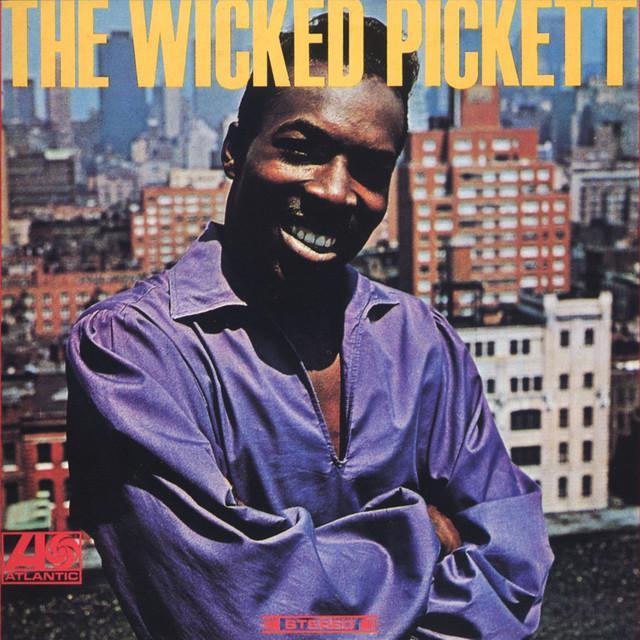
The song was written by Mack Rice, who first recorded it in 1965. Pickett’s better-known version arrived in 1966 as a single and on The Wicked Pickett, produced by Jerry Wexler and Rick Hall. It became a major hit, reaching No. 6 on the U.S. R&B chart and No. 23 on the pop chart, and later entered the Grammy Hall of Fame in 2000. Those basic facts are well documented in reference sources and music histories.
The Real Story Under the Hook
At the center of the song is a speaker watching Sally change after getting a new Mustang. He is not praising simple fun. He is warning her that the freedom she loves may come with a cost.
The lyric frames Sally as someone who used to belong more clearly to the relationship, but now she prefers motion, attention, and excitement. Short phrases like slow your mustang down
and running all over town
make that clear. The song presents driving as more than travel. It becomes a lifestyle.
Interpretation: the car stands for independence, but also for romantic distance. Once Sally has this symbol of status and speed, she no longer seems willing to stay grounded in one place or one relationship.

Watch the official Mustang Sally
music video
A Love Song, a Warning, and a Power Struggle
One reason the track lasts is that its tone is mixed. It is playful on the surface, but tense underneath. The singer sounds amused, attracted, annoyed, and threatened at the same time.
That is why lines about Sally wanting to ride around Sally
do more than repeat a catchy hook. They underline a complaint: she keeps choosing freedom over commitment. When the singer says he may put her flat feet on the ground
, the image suggests he wants to end the fantasy and force reality back into the relationship.
Interpretation: this is not just flirtation. It is a small drama about control. Sally wants movement; the singer wants limits.
One of these early mornings
wiping your weeping eyes
That brief moment shifts the song from teasing to prophecy. He predicts regret. Whether they read him as protective or possessive, listeners can hear that he believes Sally’s freedom will not last forever.
Why the Car Matters So Much
The song’s origin helps explain its literal and symbolic layers. Mack Rice said the idea came after hearing drummer Calvin Shields say he wanted a Ford Mustang instead of a Lincoln. Rice had not even heard of the Mustang yet, but the contrast between a big luxury car and a sporty new one sparked the concept. He first called the song “Mustang Mama,” and Aretha Franklin reportedly suggested changing it to “Mustang Sally,” a title that fit the chorus better.
That history matters because it confirms the song is truly about a car. But in soul music, objects often carry emotional weight too. Here, the Mustang means:
- modern style
- speed and youth
- social mobility
- sexual and personal freedom
So the song works on two levels at once. Sally is driving a real car, but she is also driving away from the role the singer imagined for her.
How Wilson Pickett’s Performance Changes the Meaning
Pickett did not write the song, but he made it feel larger. His voice gives the warning a raw edge. He stretches simple phrases into emotional events, making the song sound like it is happening right in front of the listener.
The recording at FAME Studios in Muscle Shoals also matters. The band locks into a groove that feels smooth yet urgent: crisp drums, deep bass, sharp horns, and organ that almost imitates an engine. Spooner Oldham later said he invented the keyboard figure by imagining a motorcycle revving through the studio. That choice reinforces the whole idea of motion and machinery.
This is why the meaning of Mustang Sally Wilson Pickett is not found only in the words. The arrangement tells the story too. The horns push Sally forward; the rhythm section keeps her moving; Pickett’s voice tries to pull her back.
The Chorus That Made It a Classic
The hook is unforgettable because it sounds communal. Backing voices answer Pickett like a crowd joining the chase. That call-and-response style turns a private complaint into a public scene.
Research on the song’s background also notes that Rice borrowed part of the chorus idea from the children’s game song “Little Sally Walker.” That helps explain why the refrain feels so natural and immediate. It sounds older than the record itself, almost like a chant everyone already knows.
Why the Song Still Connects
Part of the song’s long life comes from its flexibility. Some hear a funny story about a woman and her hot car. Others hear a deeper conflict about gender, freedom, and jealousy in the 1960s. Both readings fit.
It also stayed alive through pop culture, from The Commitments to later film and TV uses. But the real reason it endures is simpler: the song captures a timeless moment when desire and independence stop pulling in the same direction.
Final Take on the Song’s Meaning
So, what is the meaning of Mustang Sally Wilson Pickett? It is a soul story about a woman whose new car becomes a symbol of freedom, and a man who feels left behind by that freedom. The song is fun, but its tension is real.
That mix of swagger, warning, and motion is what keeps it alive. Interpretation disclaimer: like many classic soul songs, "Mustang Sally" supports more than one reading, and any meaning beyond the documented history is an informed interpretation rather than a confirmed statement from the artist.







