Why 'Time Was' by Wishbone Ash Still Hurts
The meaning of Time Was Wishbone Ash comes down to a painful but human problem: how do they rebuild a life after losing someone who helped define it? The song is not flashy in its language. Instead, it is direct, reflective, and emotionally honest.
"Time Was" - Wishbone Ash
I've got to rearrange my world.
I miss you, I need you.
Loading lyrics...
Unable to load lyrics
We're unable to display the lyrics at this time. Please try again later.
Wishbone Ash, the British band formed in 1969, became known for their harmony twin-lead guitars and a sound that blended hard rock, folk rock, and progressive rock. That musical identity helped shape their reputation and influence on later bands. In a song like “Time Was,” that mix matters because the arrangement turns private heartbreak into something wide and cinematic.
A Song About Rebuilding After Loss
At its core, the song follows a speaker trying to recover after emotional separation. Early on, they admit they must rearrange my life
and even rearrange my world
. Those are simple phrases, but they suggest total disruption.
This is not just sadness over missing someone. It is a crisis of structure. The person they lost seems to have been part of their identity, routine, and sense of strength. When the lyric says they miss you, I need you
, the feeling is dependence as much as longing.
Interpretation: The song reads less like a dramatic breakup anthem and more like the quiet aftermath, when the shock has settled in and the harder work begins.

Watch the official Time Was
music video
How Memory Becomes the Real Conflict
One of the most revealing ideas in the song is the tension between survival and remembrance. The speaker says they must put memories aside in order to live again, but later they admit they now have a memory they do not want to change. That contradiction is the heart of the song.
They know healing requires movement. But they also fear that moving forward might betray what they had. In other words, memory is both comfort and trap.
The Title as a Door to the Past
The repeated phrase Time was
is more than a catchy hook. It opens a mental doorway between past and present. Each return to it reminds the listener that life used to feel steadier, stronger, or at least more familiar.
That refrain also gives the song its reflective shape. Instead of telling a detailed story, it moves through remembered states of mind: fear, strength, regret, and the need to change. The past is not idealized as perfect, but it is still presented as more secure than the present.
What the Narrator Learns About Change
The lyrics make clear that transformation is slow and uncomfortable. The song says it takes more than a day or night to change how someone lives. That is a grounded insight, and it saves the track from becoming sentimental.
The image of having to pick their feet up from the ground suggests emotional paralysis. They are not simply sad; they are trying to restart themselves. Later, when they remember being a strong man
with that person around, the song reveals how much their confidence depended on the relationship.
Interpretation: That line can be heard in two ways:
- as sincere love and vulnerability
- as a sign that they had tied too much self-worth to another person
That ambiguity gives the song depth.
Why the Music Makes the Message Bigger
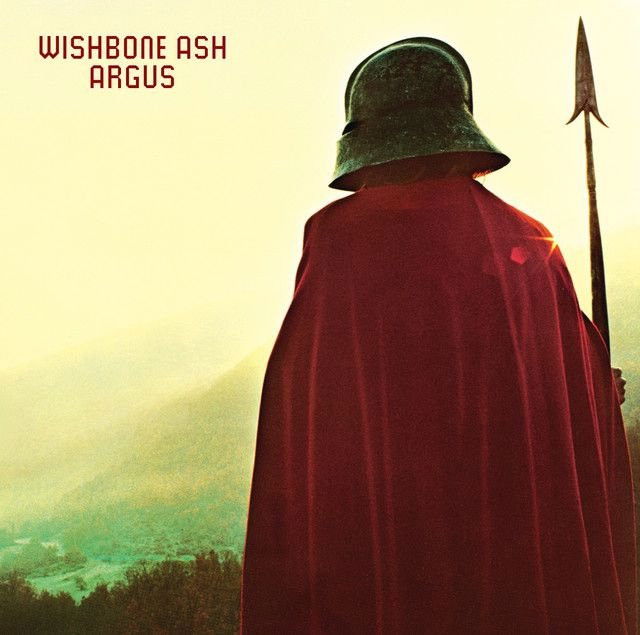
Wishbone Ash are widely associated with the twin-guitar sound of Andy Powell and Ted Turner, a defining feature noted across band histories and criticism. Their broader career, including the success of Argus in 1972, helped establish them as one of British rock’s most distinctive guitar bands.
In “Time Was,” the musical approach matters because the reflective mood does not stay small or claustrophobic. The guitars give the emotion lift. Instead of sounding trapped in grief, the song sounds like it is reaching for perspective.
That balance is crucial. The words are intimate, but the arrangement makes them feel universal. It is one reason the song can speak to listeners who have experienced breakups, grief, or any moment when life had to be rebuilt from the ground up.
A Broader Reading Beyond Romance
Many listeners will hear the song as a breakup song first, and that reading fits. Still, the wording is broad enough to support another interpretation.
Interpretation: The loss could also be read as the end of an earlier self. Phrases about changing history, rearranging life, and becoming a new person suggest identity crisis as much as romance. In that reading, the missing person matters, but the deeper issue is whether they can live differently after a defining chapter ends.
And there's a time for waking up
And feeling down
Pick your feet up
from the ground
This brief passage captures the song’s real wisdom. It says despair is part of waking up to reality, but it also insists on motion.
Why “Time Was” Still Connects
The meaning of Time Was Wishbone Ash lasts because the song understands that healing is rarely clean. They want to recover, yet they do not want to erase what mattered. That tension feels true.
Wishbone Ash built their legacy on musical elegance and emotional reach, and this song shows both qualities at once. It is gentle, wounded, and realistic about how long change takes.
In the end, “Time Was” is about learning to carry memory without letting it freeze the future. That is why it still lands.
Disclaimer: This interpretation is based on the lyrics, performance, and known context around Wishbone Ash. As with many songs, meanings can vary from listener to listener.







