Why 'Celtic Symphony' Still Divides Listeners
For many listeners in the United States, the meaning of Celtic Symphony Wolfe Tones can seem split in two. On one side, it sounds like a rowdy terrace song full of travel, chants, and group feeling. On the other, it carries political language that gives the song a much heavier charge.
"Celtic Symphony" - Wolfe Tones
When the devil got a hold of me
He wouldn't set me free
Loading lyrics...
Unable to load lyrics
We're unable to display the lyrics at this time. Please try again later.
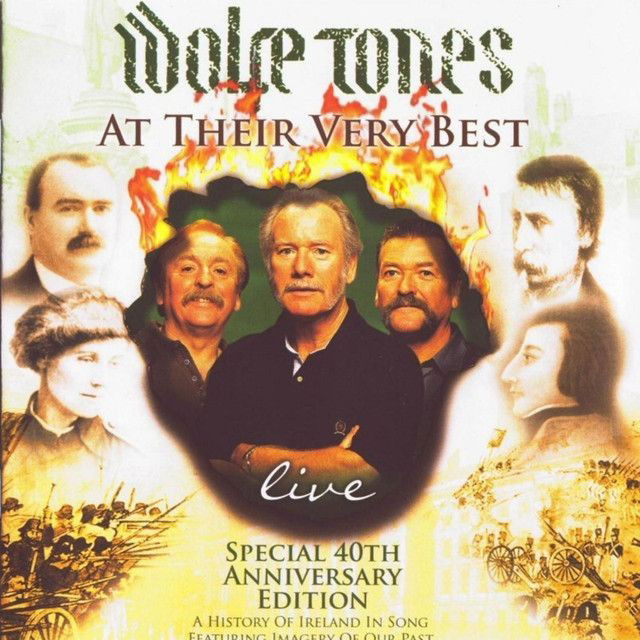
Written by Brian Warfield and performed by The Wolfe Tones, the song sits inside the band’s long history of Irish folk and rebel music. That background matters. They were not a neutral pop act; they built their name on songs tied to Irish nationalism, public memory, and political identity.
A Crowd Song With a Political Core
At the surface level, the song tells a loose, almost dreamlike story. A sailor moves across the world, chased by a dark force, looking for escape and something like peace. Phrases such as far across the sea
and Glasgow town
place the story in motion and connect it to migration, diaspora, and the Irish-Scottish link around Celtic FC.
But the track does not stay in that wandering-fantasy mode. It turns toward football-crowd imagery, especially when it mentions graffiti on the walls
and the boast we're magic
. Those lines evoke supporter culture: banners, slogans, and public displays of belonging.
That shift is key to the meaning. The song is not only about one narrator’s adventure. It becomes a group anthem, where personal wandering turns into communal identity.
Watch the official Celtic Symphony
music video
How the Verses Build a Mythic Journey
The early verses use exaggerated travel images, from the sea to jungles around the world. They sound almost comic in places, yet they create a feeling of restless movement. The narrator is chased by a devil figure who seems to stand for danger, temptation, or inner conflict.
Interpretation: That devil can be heard in more than one way. Some listeners may hear a literal folk-song villain. Others may hear a symbol for oppression, guilt, history, or the pressures that follow someone wherever they go.
The repeated search for paradise
matters because it gives the song an emotional goal. They are not just moving for fun. They are trying to outrun something and reach a place where those evil eyes
no longer matter.
We're on the road again
We're on our way to paradise
In context, that brief refrain turns travel into purpose. It sounds upbeat, but it also suggests that peace is always just ahead, never fully reached.
The Chorus Turns Private Trouble Into Group Identity
Musically and lyrically, the refrain is where the song opens up. The repeated na-na vocal lines are simple, catchy, and easy for crowds to join. That matters because The Wolfe Tones often worked in a folk style built for shared singing rather than private reflection.
The communal sound changes the meaning of the story. What begins as one sailor’s battle becomes the voice of a crowd. That is why the song has lasted: it gives listeners a part to step into.
Then comes the most debated section, the chant tied to the IRA. Factually, that lyric is central to the song’s public reputation. It has led to criticism, media debate, and renewed controversy whenever it is sung in public settings.
For readers asking about the meaning of Celtic Symphony Wolfe Tones, this is the point they cannot ignore. The song does not merely flirt with political history; it names it. Because of that, many listeners hear the track as a nationalist anthem, not just a sports chant.
Why Glasgow, Celtic, and Irish Identity Matter
Celtic FC has long had deep cultural ties to the Irish Catholic diaspora in Scotland. That context helps explain why Glasgow appears so strongly in the song. The setting is not random. It points to a community shaped by migration, memory, and politics.
Interpretation: In that light, the song becomes a map of belonging. The sailor’s wandering stands in for a broader Irish diaspora experience, while the stadium-like chorus offers a temporary home.
The graffiti image is especially important. Graffiti is public, rough, and impossible to miss. By using wall slogans instead of polished speeches, the song suggests that identity here is lived in everyday spaces, not just official history books.
How the Sound Carries the Message
The production is straightforward and built for impact rather than subtlety. Its folk-band arrangement, strong rhythm, and chant-ready hook make it feel physical. Listeners can imagine it in pubs, buses, or terraces.
That directness helps explain both its appeal and its risk. A melody this easy to shout along with can turn complicated history into something emotionally immediate. The tune invites unity; the words decide what that unity is serving.
This is why the song can feel joyful and troubling at the same time. The music says celebration. The political reference says conflict and memory.
The Lasting Meaning of Celtic Symphony
So what is the song about? The clearest answer is that it fuses adventure, supporter culture, and Irish republican identity into one anthem. Its bright, communal surface keeps it alive, while its political content keeps it contested.
That tension is the real reason people still talk about it. The song offers belonging, but it also asks what kind of history that belonging carries.
Interpretation disclaimer: This reading separates factual context from interpretation. Songs can hold different meanings for different listeners, especially when they are tied to history, sport, and national identity.







