Why “Clan in da Front” Hits So Hard
When people search for the meaning of Clan in da Front Wu‐Tang Clan, they usually find a track that feels simple on the surface: a hard rap song built for crowd movement. But the song means more than that. It is a statement of arrival, a roll call of allies, and a lesson in how Wu-Tang turned raw energy into identity.
"Clan in da Front" - Wu‐Tang Clan
Heheh, it's the Ghost Face Killah
Wu-Tang
Loading lyrics...
Unable to load lyrics
We're unable to display the lyrics at this time. Please try again later.
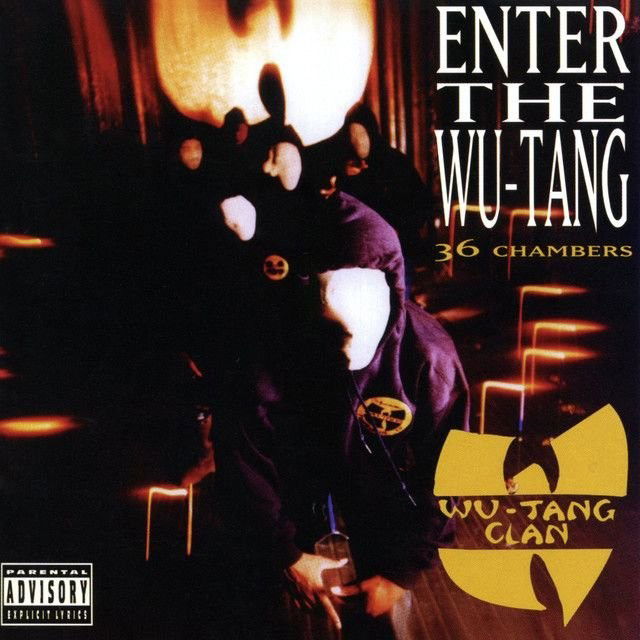
Released on Wu-Tang Clan’s landmark debut, Enter the Wu-Tang (36 Chambers), the track helped define the group’s early image. It combines crew pride, live-show command, and battle-rap aggression into one performance. Instead of telling a deep personal story, they make the song itself the event.
More Than a Hype Track
At its core, “Clan in da Front” is about presence. Wu-Tang are not just rapping well; they are taking over space. The hook organizes the room, calling different parts of the crowd into action. When they say Clan in da front
and let your feet stomp
, they are not just giving directions. They are turning the listener into part of the movement.
That matters because Wu-Tang were building a mythology in real time. The opening roll call of members and affiliates makes the group sound bigger than a normal rap act. It presents them like a network, almost an army, with names, ranks, and neighborhoods behind them.
Interpretation: the song’s real subject is collective power. Even when one MC takes the lead, the larger point is that nobody stands alone.

Watch the official Clan in da Front
music video
The Hook Turns a Room Into a Battlefield
The chorus is one reason the record lasts. It has the simplicity of a chant, but it also divides the audience into sections: left, right, front, back. That structure makes the track feel physical. People can picture the room responding.
Niggas on the left
Hoods on the right
Punks in the back
This is the article’s only multi-line lyric quote, and even here the point is less about the exact words than the effect. The hook stages a public test of energy. It tells listeners where to stand, how to move, and how to prove they belong.
Interpretation: this crowd-command style reflects early 1990s hip-hop performance culture, where a great song had to work both on record and in the room.
GZA’s Verse Is a Showcase of Control
The main verse, delivered by GZA, explains why the song feels so sharp. He mixes jokes, threats, pop culture, and technical swagger without sounding crowded. He moves from New York references to old film nods to competitive bars, all while keeping the message clear: other rappers are not on his level.
When he says the Wu is comin' through
, the phrase works in two ways. Literally, they are entering the scene. Symbolically, they are breaking through industry noise with a style that sounds complete and self-contained.
Later, GZA uses sports imagery and battle imagery to mock weaker MCs. That helps the song avoid being random boasting. The insults serve a purpose: they establish standards. In this world, skill matters, reputation must be earned, and stage hype means nothing without bars.
Why the Roll Call Matters So Much
One unusual part of the song is how much time it spends naming people. On paper, that might look excessive. In practice, it is crucial to the meaning of “Clan in da Front.”
The list creates scale. Wu-Tang are not framed as nine isolated rappers. They are shown as a loose but powerful universe of members, affiliates, boroughs, and fighters. References to all the New York boroughs reinforce that ambition. They are claiming local reach first, then global impact.
That is why the phrase 36 Chambers of death
lands so hard. It is not just violent decoration. It links their album mythology, martial arts imagery, and competitive rap stance into one line. They sound dangerous because they want to seem unstoppable.
Sound First, Meaning Second—and That’s the Meaning
Production is central to the meaning of Clan in da Front Wu‐Tang Clan. RZA’s early work on Wu-Tang’s debut is famous for its dusty drums, rough edges, and stripped-down menace. This track uses that approach well. The beat leaves room for voices to hit like commands.
The repetition in the hook, the hard drum pattern, and the sparse arrangement all support the song’s purpose. Nothing is overly polished. That roughness makes the group sound closer to the street corner, the park jam, and the cipher.
In other words, the production does not soften the aggression. It frames it. The song feels immediate because the sound is so direct.
A Song About Entry, Rank, and Belonging
Another way to read the track is as a map of social order. The front is where leaders go. The back is for those with less status. The left and right are not random directions; they help turn the audience into a hierarchy.
Interpretation: this makes the song partly about belonging. Wu-Tang are asking who is ready, who is strong, and who deserves a place near the center. The answer, of course, is the Clan and those who move with them.
That helps explain the song’s appeal. Fans do not just hear boasts. They hear an invitation to join a world with its own rules, symbols, and energy.
Why It Still Connects
“Clan in da Front” still works because it captures the thrill of a group introducing itself without apology. It is funny, hostile, theatrical, and deeply organized beneath the chaos. The meaning of Clan in da Front Wu‐Tang Clan comes down to this: they are announcing a collective identity strong enough to shake a room and durable enough to shape hip-hop history.
It is less confessional than many classic rap songs, but that is the point. They are not looking inward here. They are stepping forward.
Disclaimer: This interpretation is based on the lyrics, performance, production, and historical context. Like most art, the song can support more than one reading.







