Why ‘Gone Till November’ Still Hits Hard
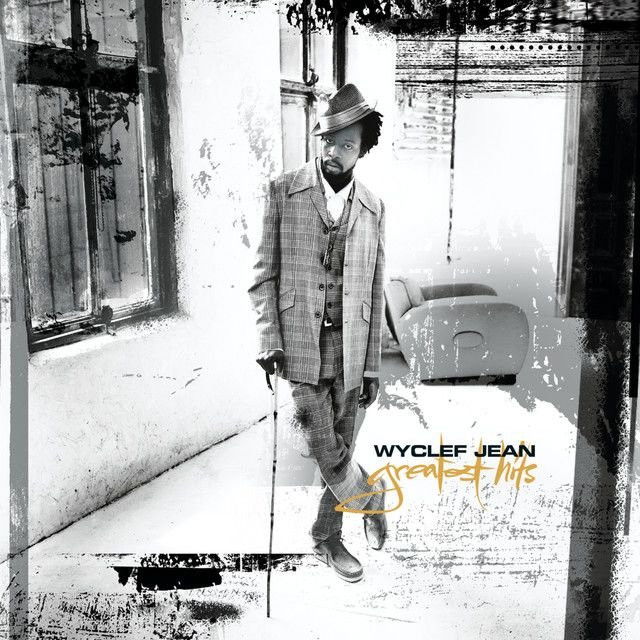
The meaning of Gone Till November Wyclef Jean, New York Philharmonic starts with a painful trade-off: they leave now so the people they love might live better later. That is why the song still lands. It turns a catchy hook into a story about work, loyalty, and the emotional cost of ambition.
"Gone Till November" - Wyclef Jean ft. New York Philharmonic
I ask myself why, oh why
See, you must understand, I can't work a 9 to 5
Loading lyrics...
Unable to load lyrics
We're unable to display the lyrics at this time. Please try again later.
Wyclef Jean released “Gone Till November” during the The Carnival era, when his music often mixed rap, melody, Caribbean rhythm, and big pop-minded arrangements. In that context, the song stands out as both accessible and emotionally complicated. It sounds warm and memorable, but its story is built on separation.
A Goodbye Song Disguised as a Hit
At its core, the song is about someone who keeps leaving home because they believe ordinary work is not enough. Early on, the narrator says they cannot do a 9 to 5
. In plain terms, they see themselves as outside normal employment, pushed toward hustling, touring, or chasing money by other means.
That makes the repeated promise gone 'til November
do several jobs at once. It comforts the partner, excuses the absence, and gives the speaker a deadline that sounds solid even if life is not. The line is easy to sing, but the feeling behind it is shaky. They want to be trusted, yet they know their leaving hurts.

Watch the official Gone Till November
music video
The Real Tension Is Love Versus Survival
The emotional center of the song is not swagger. It is guilt. The narrator watches a partner cry and keeps going anyway. That choice creates the song's conflict: if they stay, they cannot earn enough; if they leave, they damage the relationship.
This is why the family details matter so much. They mention a mother, a brother, and a cousin, which broadens the song beyond romance. The narrator is not chasing money only for ego. They imagine education, safety, and stability for the whole family.
One brief section captures that mix of tenderness and urgency:
January, February, March, April, May
I see you cryin'
but girl, I can't stay
Even in paraphrase, the idea is clear: time keeps passing, the pain is visible, and the speaker still chooses motion over comfort. That is the song's heartbreak.
Family Advice Makes the Story Feel Real
One of the smartest things in the lyric is how specific it gets. Instead of speaking in vague dreams, the narrator imagines what success would change. They picture enough money to improve their block and urge a younger relative to stay in school. They even offer blunt health advice to a cousin.
Those small details make the voice believable. They sound like someone carrying a whole household in their head while away from home. The song is not only about missing a lover. It is about the pressure to return with proof that the sacrifice was worth it.
Interpretation: this is why the hook feels both loving and defensive. They are not simply saying, “Wait for me.” They are also saying, “Please understand why I have to go.”
Why the Boasts Do Not Break the Meaning
Some listeners may wonder about the tougher rap lines aimed at other MCs. On paper, those bars can seem unrelated. In practice, they fit the song's world.
Wyclef presents a character who moves between care and competition. In one breath, they reassure loved ones; in the next, they defend their status. That split reflects the hustle itself. To survive in that world, the narrator has to be tender at home and hard in public.
So when the song shifts into battle mode, it does not leave the theme behind. It shows the performance required to keep earning. Confidence becomes part of the job.
How the Music Softens the Hard Story
Part of the reason the track became such a crossover hit is its arrangement. Wyclef often blended hip-hop with melodic songwriting and live-feeling instrumentation, a style widely noted in coverage of The Carnival and his broader catalog, including summaries from sources like AllMusic and Encyclopaedia Britannica. That musical openness matters here.
The beat moves gently, and the chorus is smooth enough to feel almost comforting. That softness creates an important contrast with the lyric. The song does not sound desperate, even though the story is. Instead, it sounds hopeful.
That helps explain the “New York Philharmonic” angle in the title prompt as well. While the original recording is not a Philharmonic release, the song's melody is strong enough to invite orchestral thinking. Its hook has a broad, almost cinematic lift, and that scale suits themes of distance, longing, and return.
What November Really Means
November is more than a month. It is a symbol of reunion, accountability, and postponed peace. The narrator keeps pointing to a future moment when everything will make sense.
Interpretation: November may also represent the stories people tell themselves to survive hard seasons. A date on the calendar can become emotional shelter. Whether they truly return on time matters less than the need to believe they will.
Why the Song Endures
The meaning of Gone Till November Wyclef Jean, New York Philharmonic lasts because the problem is timeless. Many people leave home for work, send money back, and ask loved ones to endure the distance. Few songs say that so plainly while still sounding this catchy.
What remains after the chorus fades is not just a promise. It is a portrait of someone trying to turn absence into love's proof. They leave because they care, but caring does not erase the hurt.
That tension is what gives the song its staying power.
Disclaimer: This interpretation separates widely accepted facts about the song and artist from critical reading of the lyrics. Meaning can vary by listener.








