How XTC Turned Nigel Into a Warning
The meaning of Making Plans For Nigel XTC becomes clearer the longer they sit with its cheerful surface. It sounds bouncy, sharp, and even funny at first. Then the hook starts to feel less like love and more like control.
"Making Plans For Nigel" - XTC
We only want what's best for him
We're only making plans for Nigel
Loading lyrics...
Unable to load lyrics
We're unable to display the lyrics at this time. Please try again later.
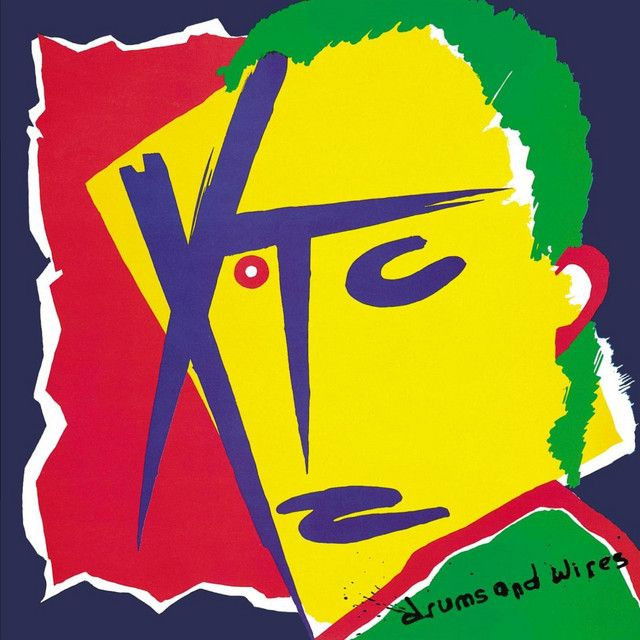
Released in 1979 as the lead single from Drums and Wires, the song was written by Colin Moulding and became XTC’s breakthrough hit, reaching No. 17 in the UK and later earning Silver certification there, according to chart and release data summarized by sources including Wikipedia and the Official Charts-linked record history in that entry. It was produced by Steve Lillywhite with XTC. Those facts matter because the song’s success helped turn a very British story about family pressure and work into something widely relatable.
The Real Target Is Control, Not Nigel
At its core, the song is about adults deciding a young person’s life for him while pretending it is kindness. The speakers insist they are only making plans for Nigel
and that they only want what's best
. On paper, that sounds loving. In practice, it sounds like they have already erased his say in the matter.
That is the central tension. The song never presents Nigel as a fully free voice. Instead, he is talked about, defined, and managed. Even when the lyric claims he is happy, it feels less like a fact than a script he is expected to follow.
Interpretation: Nigel is less a single person than a type. They can hear him as any son or daughter pushed into a “safe” future by parents, schools, or society.

Watch the official Making Plans For Nigel
music video
Why the Repetition Feels So Uncomfortable
The song’s most unsettling move is repetition. The adults keep repeating the same idea until it starts sounding like doctrine. When they say he must be happy
, the phrase is not reassuring. It is a warning sign.
That wording matters. “Must” suggests obligation, not discovery. They are not asking whether Nigel is fulfilled. They are deciding what his fulfillment should look like.
This is why the chorus is so effective. Pop songs often use repetition to build pleasure. XTC use it to show pressure. Every return to the hook makes the speakers seem more certain and more blind.
Nigel's Future Is Already Locked In
The lyric sharpens when it points to work. Nigel has a future in a British steel
, and that future is basically sealed before he can test other paths. The image is specific to late-1970s Britain, but the idea travels easily: a stable job, chosen by adults, sold as common sense.
In that setting, British Steel stands for more than one company. It becomes a symbol of industrial life, routine, class expectations, and a narrow model of success. The future looks secure, but it also looks prewritten.
Interpretation: The song is not mocking work itself. It is questioning what happens when work becomes the whole definition of a person. Nigel is expected to be useful before he is allowed to be himself.
The Small Details Make the Satire Bite
One of the song’s sharpest lines says Nigel is not outspoken
, yet he likes to speak and loves being spoken to. The joke is dry, but the meaning is serious. The adults describe him in ways that do not quite fit together, as if they are inventing a personality that suits their plan.
That contradiction helps explain the satire. They do not really know Nigel as a complex person. They know the version of him that keeps the household story intact: polite, manageable, and grateful.
This is also why the song stays memorable. It captures a common kind of family language, where concern becomes ownership and “help” becomes control.
How the Sound Builds an Industrial Cage
The production deepens the theme. Reports on the recording note that drummer Terry Chambers aimed for a more industrial feel by shifting the beat away from a normal rock pattern, helping create a rigid, mechanical pulse. Andy Partridge also described arrangement ideas that pushed the track toward a production-line mood, including bass and guitar parts that feel clipped and repetitive.
Listeners can hear that design even without knowing the backstory. The drums lurch instead of swing. The bass locks into a stubborn pattern. The guitars jab rather than open up. Together, they sound like machinery.
That matters for the meaning of Making Plans For Nigel XTC because the music mirrors the lyric’s world. Nigel is being fed toward a system, and the system can be heard in the groove. The song is catchy, but its catchiness is boxed in.
Why the Vocal Tone Matters Too
Colin Moulding’s lead vocal avoids melodrama. That restraint makes the satire stronger. The voice does not shout that something is wrong; it lets the wrongness expose itself.
Even the high backing touches feel slightly irritating in a useful way, adding nervous brightness to a song about emotional confinement. The result is pop that sounds efficient and off-balance at the same time.
Artist Context Makes the Story Richer
Moulding later said the song was only a little autobiographical, but he connected it to memories of his father wanting him to stay in school when he mainly wanted music. He also said the idea came together almost instinctively. That context helps because it shows the song did not come from abstract politics alone. It came from lived pressure, then widened into social commentary.
The public response proves how much it resonated. Moulding later recalled that many people named Nigel told him, in effect, that the song felt like their life. That reaction makes sense. The song names one person, but it speaks to a much larger experience.
Why the Song Still Lands Today
For American listeners now, the details may feel British, but the message does not. Parents still push “practical” careers. Young people still get told they are lucky when they feel trapped. Institutions still reward obedience over self-knowledge.
That is why the song lasts. It is funny, but not light. It is catchy, but not comforting. Underneath its new-wave snap is a clear idea: people can be loved in ways that still silence them.
The Last Word on Nigel
In the end, the meaning of Making Plans For Nigel XTC is about the danger of turning care into command. The song shows how easily a life can be planned by others and how quickly a person can disappear inside phrases about security and happiness.
Interpretation disclaimer: This reading is based on the song’s lyrics, performance, and documented background. Like most great songs, it remains open to more than one interpretation.








