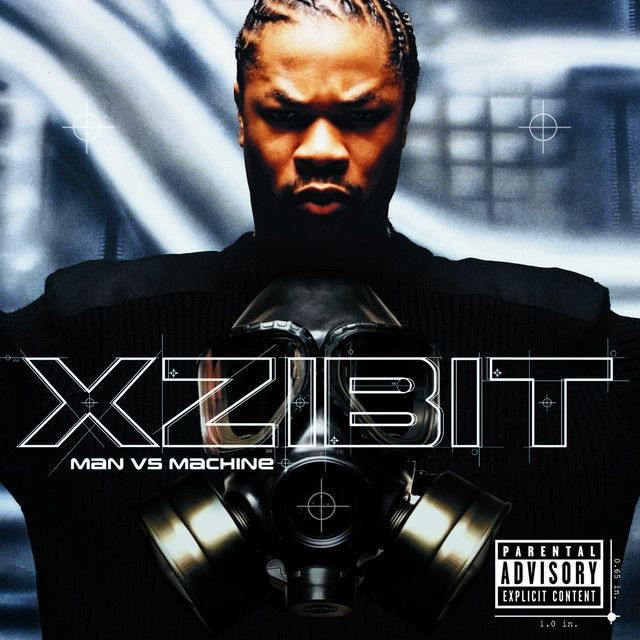
Why “My Name” Sounds Like a Warning
The meaning of My Name Xzibit, Eminem, Nate Dogg starts with one idea: reputation can become a weapon. This track is not subtle. It turns public talk, rap rivalry, and wounded pride into a direct threat. Instead of hiding behind metaphor, they frame a world where speaking on someone’s name has real consequences.
"My Name" - Xzibit ft. Eminem, Nate Dogg
I don't know what the fuck to call it
But no beef
Loading lyrics...
Unable to load lyrics
We're unable to display the lyrics at this time. Please try again later.
Factually, the song brings together Xzibit, Eminem, and Nate Dogg, with writing credits that include Dr. Dre, Eminem, Mike Elizondo, and Thomas Coster Jr., as reflected in official release databases such as ASCAP and music credits sources like Discogs. That matters because the record sounds like a Dre-era aftermath production: heavy, stripped down, and built for confrontation.
The Core Meaning Hides in Plain Sight
At its core, the song is about defending status in a rap scene shaped by insult, competition, and public disrespect. The hook keeps returning to the act of people sayin' my name
. Paraphrased, that means gossip, provocation, and name-dropping are not harmless here; they are treated like challenges.
Interpretation: the song is less about one single enemy than about the culture of constant calling-out. Each verse sounds like a response to a climate where artists are pushed to prove they still control their image, their city, and their place in hip-hop.
That is why the chorus works so well. Nate Dogg does not soften the message. He turns it into a slogan. When the song says the speaker’s mouth is not connected to the brain, it reduces the opponent to reckless talk. In other words, this is a song about the gap between words and consequences.
Watch the official My Name
music video
Xzibit Opens With Pressure, Not Doubt
Xzibit’s verse sets the emotional temperature immediately. He presents himself as battle-ready, cornered, and tired of disrespect. Even when he references specific people and old disputes, the larger point is clear: they believe they have been tested too often, and now they are done being patient.
One of the most revealing moments is the run of competitive questions about who controls a city and who will come out on top. Paraphrased, that section turns rap into territorial warfare. The issue is not just talent. It is dominance, survival, and legacy.
He also frames his own rise as earned through struggle. When he asks whether he was blessed or cursed, the song briefly widens beyond beef. It suggests that fame, especially hard-won fame, comes with pressure, paranoia, and violence. That gives the track a darker emotional layer beneath the bravado.
Nate Dogg’s Hook Turns Reputation Into Threat
The hook is the song’s center of gravity. Nate Dogg’s melodic delivery makes the warning catchy, but the content stays cold. The repeated focus on the name itself gives the track its title and its main symbol.
Interpretation: a name here means more than identity. It stands for brand, honor, history, and fear. If other people keep repeating that name, they keep feeding the artist’s power while also risking a response.
The most important phrase is do not explain
. Paraphrased, the song rejects excuses after disrespect has already happened. That line captures the entire mood: once the line is crossed, talk is over.
Eminem’s Verse Mixes Feud, Mockery, and Control
Eminem’s verse shifts the energy from broad menace to detailed ridicule. He names old rap conflict, especially around Jermaine Dupri, and then insists he actually held back. That matters because the verse is not just threatening violence; it is staging restraint as proof of superiority.
When he says he kept it on wax
, he draws a line between rap warfare and real-world escalation. Paraphrased, he is arguing that he could have gone further, but chose lyrical attack instead. That move lets him sound dangerous while still claiming artistic control.
He also leans on humor, which is one of the track’s sharpest tools. The insults are exaggerated and absurd, and that absurdity lowers the opponent’s status. In diss-oriented rap, making someone look foolish can hit as hard as sounding angry.
How the Production Sharpens the Message
The production reinforces the song’s meaning at every step. Dr. Dre and Mike Elizondo were central figures in the early-2000s Aftermath sound, documented in artist and credits databases like AllMusic and Discogs. On a track like this, that style usually means thick drums, tense space, and very little wasted motion.
There is no lush emotional backdrop. The beat feels hard and functional, which fits a song about confrontation. The low end lands like a stomp, while the vocal arrangement keeps the words front and center. That choice matters because this song lives on attack, timing, and presence.
Nate Dogg’s hook adds a slick West Coast polish, but not comfort. His melody makes the warning memorable. Xzibit sounds forceful and grounded; Eminem sounds wiry and mocking. Together, their voices create two kinds of intimidation: physical pressure and psychological pressure.
A Snapshot of Early-2000s Rap Combat
The song also reflects a specific hip-hop moment. In the early 2000s, mainstream rap feuds often mixed real tension, performance, regional pride, and publicity. “My Name” fits that world exactly. It is designed to answer critics, energize fans, and remind rivals that these artists saw themselves as untouchable figures within their lane.
Interpretation: listeners do not have to take every threat literally to understand the point. The exaggeration is part of the form. The song uses violent language to dramatize status, loyalty, and the cost of disrespect in battle rap culture.
The Last Word on “My Name”
Ultimately, the meaning of My Name Xzibit, Eminem, Nate Dogg is about guarding identity in public. Their name is treated like a symbol people use too casually, and the song exists to make that feel dangerous again.
More than anything, “My Name” works as a warning shot. It says reputation is earned, enemies talk too freely, and the response will be loud, direct, and unforgettable.
Disclaimer: This interpretation is based on the lyrics, performance, and historical rap context. As with most songs, meaning can vary between listeners.









