Why “Don't Go” by Yazoo Still Hits Hard
For many listeners, the meaning of Don't Go Yazoo comes down to one sharp feeling: panic at the thought of being left behind. The song sounds huge, fast, and danceable, but under that energy is a desperate plea. They hear a narrator who is trying to hold a relationship together by sheer force of feeling.
"Don't Go" - Yazoo
I turned around when I heard the sound of footsteps on the floor
Love just like addiction now I'm hooked on you
Loading lyrics...
Unable to load lyrics
We're unable to display the lyrics at this time. Please try again later.
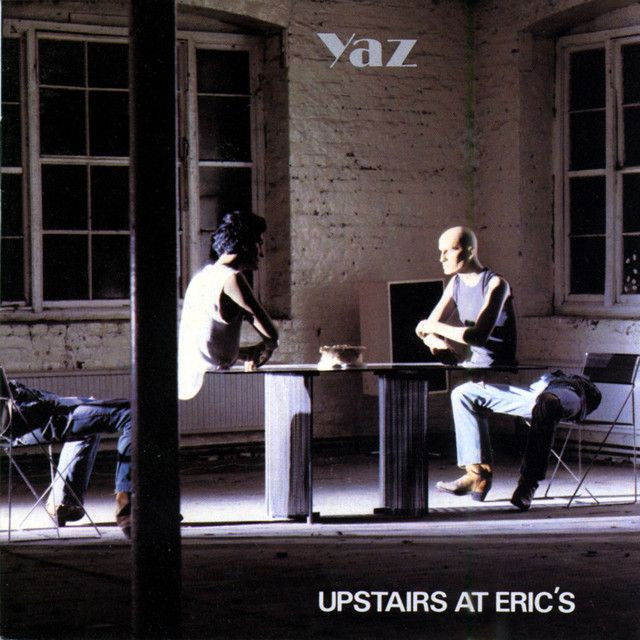
Released in 1982 as the second single from Upstairs at Eric’s, the track became one of Yazoo’s defining songs. It reached No. 3 in the UK and topped Billboard’s US dance chart under the name Yaz in America. Those facts help explain why the song still feels so familiar in clubs and on retro playlists even now.
A Breakup Song Disguised as a Dance Anthem
At its core, the song is about emotional dependence. The narrator does not sound calm or reflective. They sound flooded by need.
Early lines frame love as something overpowering, almost chemical, using the phrase hooked on you
. That choice matters. Instead of describing romance as warm or safe, the song presents it as a force that has taken over the body.
That is why the track feels tense from the start. Even before the chorus lands, the verses suggest someone who cannot regain balance after a partner pulls away.

Watch the official Don't Go
music video
The Chorus Turns Fear Into Command
The central hook, Don't go
, is simple enough to chant, but it carries a lot of pressure. This is not a gentle request. It lands more like a last-second attempt to stop a door from closing.
The line ain't never gonna let you go
pushes that emotion further. Interpretation: listeners can hear devotion there, but they can also hear obsession. The song leaves room for both. That ambiguity is part of what gives it bite.
Why Repetition Matters So Much
The chorus repeats again and again until the emotion almost becomes physical. They do not just understand the narrator’s fear; they feel trapped inside it. That repetitive design matches dance music logic, but it also mirrors anxious thinking, where one fear loops without relief.
What the Verses Actually Show
The verses sketch a small drama in quick, vivid strokes. A person comes in, hears movement, and immediately seems emotionally activated. From there, the language keeps pushing toward urgency.
A phrase like shut the door
suggests privacy, intensity, and maybe control. Then the song jumps to exaggerated images of crisis, including go get the doctor
. This is not literal storytelling in a realistic sense. It is emotional melodrama.
Interpretation: the lyrics use overstatement on purpose. The narrator feels so overwhelmed that ordinary heartbreak gets described like a medical emergency.
Love, Addiction, and Theatrical Danger
One reason the song lasts is that it mixes everyday heartbreak with extreme imagery. The narrator compares desire to compulsion, then shifts into language about injury and death. Near the end, the lyric suggests they are dead when you walk out
, which turns a breakup into symbolic destruction.
That kind of line is not subtle, but it does not need to be. Yazoo make the emotion big enough to match the production. The song is built on heightened feeling, not careful realism.
How the Sound Explains the Meaning
The music is a huge part of the meaning of Don't Go Yazoo. Vince Clarke wrote the song, and the recording was produced by Eric Radcliffe, Daniel Miller, and Clarke. Their arrangement turns a basic plea into a full-body rush.
The synth riff is tight, bright, and insistent. It does not drift in the background; it drives the whole track forward. The beat keeps everything moving, which creates a striking contrast with the lyric’s desperation. They are hearing emotional collapse delivered with machine precision.
Then there is Alison Moyet’s voice. Her vocal is rich, bluesy, and forceful, which keeps the song from sounding cold. Critics noticed that contrast at the time, with NME praising its impact and intensity. That balance between human ache and synthetic momentum is the song’s real magic.
Why Yazoo’s Context Matters
Yazoo were a short-lived but influential duo: Alison Moyet and former Depeche Mode member Vince Clarke. In the US and Canada, they were known as Yaz. Songfacts notes that Clarke reportedly wrote the song quickly when the group needed material, and it ended up becoming a major follow-up single instead of a throwaway track.
That backstory fits the song itself. Nothing about it feels overworked. It is immediate, sharp, and instinctive. Sometimes pop songs last because they do not over-explain their emotion.
A Final Reading of “Don’t Go”
So what is the song really saying? Most clearly, it captures the moment when love stops feeling secure and starts feeling panicked. The narrator is not negotiating. They are pleading, spiraling, and trying to keep desire from turning into loss.
That is why the song still works. It joins a raw emotional message to unforgettable synth-pop architecture, making private desperation feel huge enough for the dance floor.
Interpretation disclaimer: song meanings are not fixed. This reading is based on the lyrics, performance, and release context, and other listeners may hear the song differently.







