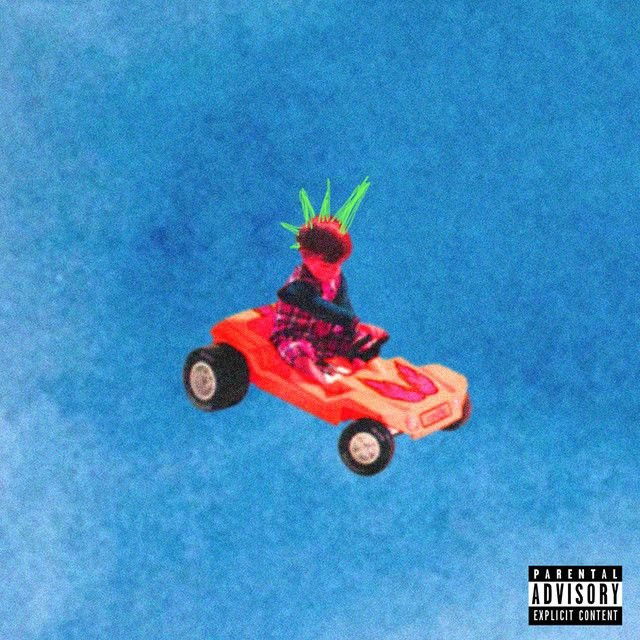
Only in the West by Yeek
The meaning of Only in the West Yeek comes down to a sharp contrast: a dreamy West Coast image collides with boredom, money stress, and self-destructive habits. The song sounds loose and casual, but the writing points to something heavier. Yeek presents a world where people chase freedom, but many of them are really just trying to survive.
"Only in the West" - Yeek
Thinkin' about what I'ma do
Music don't pay the bills
Loading lyrics...
Unable to load lyrics
We're unable to display the lyrics at this time. Please try again later.
Because the lyrics move quickly from private worries to chaotic social scenes, the track works less like a plot-heavy story and more like a mood report. It captures a place where style, drugs, motion, and detachment all blur together.
A sunny backdrop with real despair underneath
At the start, Yeek frames the song with isolation and financial pressure. The opening image of sittin' alone in my room
is small and personal. From there, the song widens into a bigger problem: creative work is not paying enough to cover daily life.
When they mention that music don't pay the bills
, the point is not just frustration with one bad day. It suggests a larger conflict between artistic identity and economic reality. The narrator wants music to be a future, but the present is still unstable.
That is why the line about friends selling drugs matters. It shows a local environment where people take dangerous routes because ordinary paths do not seem to work. The phrase they have to
gives the song one of its clearest moral clues: this is not framed as glamorous success. It is framed as pressure.

Watch the official Only in the West
music video
Why the chorus is the emotional key
The repeated hook, I got the west coast blues
, gives the whole track its center. Without that line, the verses might sound like snapshots of youth culture. With it, every image starts to feel sadder.
Interpretation: “West coast blues” seems to name a very specific kind of unhappiness. It is not only depression in a general sense. It is a sadness tied to a place famous for coolness, beauty, and laid-back freedom. The irony is important: the setting promises ease, but the singer feels stuck.
The chorus is also simple enough to act like a diagnosis. No matter what happens in the verse—money worries, bus rides, parties, or random encounters—the same emotional truth returns.
The verses move from survival to numb behavior
The first verse is grounded in need. The narrator compares their own struggle with the choices people around them make. Riding the bus while others flash money and cars creates a class divide without spelling it out.
Even the skateboard image, with wheels, and trucks
, adds meaning. It suggests a cheaper, freer way of moving through the city. That can sound youthful, but it also hints at limitation. They are making do.
The second verse gets messier and darker. There are references to intoxication, reckless driving, and impulsive sexual behavior. Instead of feeling thrilling, these moments come off as detached and unstable. The pace of the verse suggests a world where nobody slows down enough to think.
Interpretation: This shift may show what happens when stress turns into numbness. If the first verse asks how people survive, the second shows one answer: they distract themselves, take risks, and chase sensation.
What the song says about West Coast mythology
A big part of the meaning of Only in the West Yeek is how it pushes against the fantasy of West Coast living. Popular culture often presents California and the coast as symbols of sunshine, success, and effortless cool. Yeek keeps some of those surface details—cars, models, speed, drugs—but drains them of glamour.
Instead of escape, these details create emptiness. Instead of confidence, they reveal awkwardness and poor judgment. The song suggests that the regional dream can hide deep insecurity.
That makes the title feel pointed. “Only in the West” can be heard as a joke, but also as a critique. The phrase implies that this mix of beauty and burnout is strangely local, almost normal in its own setting.
How the production likely strengthens the message
Even without needing long technical breakdowns, the song’s effect depends on contrast. The delivery feels relaxed, almost tossed-off, while the lyrics describe stress and reckless behavior. That gap matters.
A mellow, hypnotic groove can make the repeated hook sink in deeper. When a track sounds easy but carries a worn-out refrain, it mirrors the song’s main tension: everything looks casual from the outside, yet something is clearly wrong underneath.
Yeek’s style often leans intimate and understated, which suits this kind of writing. Rather than overexplaining, they let repetition and detail do the emotional work. That makes the song feel observational, like they are reporting from inside a scene they do not fully trust.
A revealing spoken ending
The closing spoken section adds another layer of alienation. It sounds messy, suspicious, and emotionally unfocused. Rather than tying the song up neatly, it leaves behind social distrust and confusion.
That ending matters because it keeps the track from becoming a simple anthem. It feels more like overheard fallout from a lifestyle that has already gone sour.
The clearest takeaway
The meaning of Only in the West Yeek is not that West Coast life is uniquely wild. It is that behind the image of freedom, there can be fear, scarcity, and emotional drift. Yeek turns local detail into a broader statement about trying to live, create, and stay grounded in a culture that rewards speed and appearance.
Interpretation: Listeners may hear the song as social critique, self-portrait, or both at once. That ambiguity is part of what makes it stick.
Disclaimer: This interpretation is based on the lyrics provided and general musical reading. Song meanings can vary by listener, and only the artist can confirm exact intent.









