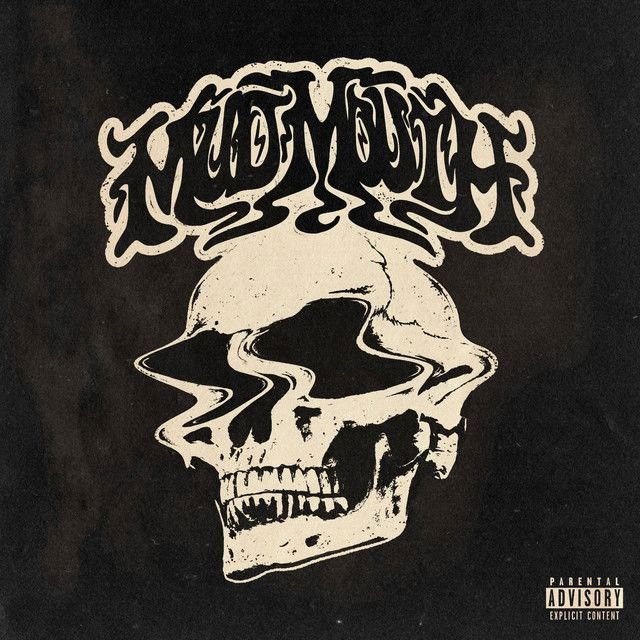
Why "Bounce" by Yelawolf Hits So Hard
The meaning of Bounce Yelawolf starts with pure motion. On the surface, the track sounds like a party record built for loud speakers, heavy bass, and a packed room. But under that energy, it is also a self-portrait: Yelawolf turns chaos, Southern pride, and outlaw humor into a statement about who they are.
"Bounce" - Yelawolf
Money in the bag, money in the bag, money in the bag, yeah
Twacked and hazy, ain't no lie
Loading lyrics...
Unable to load lyrics
We're unable to display the lyrics at this time. Please try again later.
The song was written by Michael Atha, Yelawolf’s legal name. That matters because the track feels personal even when it is exaggerated. It does not read like a neat story. It reads like a rush of scenes, memories, and flexes from an artist who wants freedom more than polish.
The Real Core of the Song
At its heart, “Bounce” is about momentum. Yelawolf is not just describing a wild night. They are presenting a whole way of moving through the world—fast, loud, funny, and hard to control.
The repeated focus on money, substances, bars, and cars creates a reckless setting, but the deeper point is identity. When they rap stuck to labels
and then reject that idea, the song frames itself as a refusal to be pinned down. That line helps explain the whole record.
Interpretation: “Bounce” can be heard as Yelawolf’s argument that their style comes from mixing opposites: country roots, rap bravado, working-class imagery, and punk-like disorder. The song does not smooth those parts together. It lets them clash.
Watch the official Bounce
music video
A Southern Persona in Motion
One of the key clues to the meaning of Bounce Yelawolf is the chorus. It spells out pieces of a Southern identity, including Alabama and the Thunderbird image, before landing on that motherfuckin' bounce
. In plain terms, the hook says their energy comes from where they are from and how they carry it.
This is not polished Nashville nostalgia. It is messier than that. The song includes motel rooms, porch scenes, old cars, codeine references, and dive-bar behavior. Those details build a world that feels rural and rough-edged, but also deeply tied to hip-hop performance.
Why the “CAT” hook matters
The chorus works like a chant, but it also acts like a code. It compresses geography, class, and attitude into a few letters and images. That is why the hook feels so catchy: it is simple enough to yell along to, yet specific enough to sound like a personal stamp.
The Verses Are Controlled Chaos
The verses move in fast flashes. There are jokes, drug references, old-TV nods, criminal imagery, and self-mythology all packed together. Yelawolf keeps jumping from one picture to another, which gives the song its unstable thrill.
A phrase like I'm on fire
is not just bragging. It suggests they feel untouchable in the moment. Elsewhere, the song shifts into images of younger days, keg parties, and earlier hustle, implying that this wildness has a history.
C for the country
A for the 'Bama
T for the tops on the Thunderbird
That brief section is one of the song’s clearest mission statements. It ties place, memory, and image together. Even when the verses sound scattered, the chorus keeps reminding listeners that all this disorder belongs to a specific persona.
Sound First, Meaning Right After
Production matters a lot here. Even without outside credits confirmed in the prompt, the beat can be described from the recording itself: hard drums, a repetitive chant, and a low-end thump that creates physical movement. The track lives up to its title because the rhythm literally bounces.
Yelawolf’s delivery adds another layer. They sound half-rapped, half-shouted at points, with a loose drawl that keeps the song rooted in Southern speech. That vocal texture makes the bars feel lived-in rather than overly technical.
Interpretation: The rough, rowdy sound supports the lyric theme of refusing polish. A cleaner, more elegant beat would weaken the point. The mess is part of the message.
Humor, Excess, and Self-Mythology
A lot of the song is funny on purpose. References to movies, TV characters, and absurd comparisons keep the track from turning too dark. Even when the lyrics lean into intoxication or danger, Yelawolf presents them with a grin.
That is important because the song is not a confession in a serious, vulnerable sense. It is closer to myth-making. They cast themselves as a local legend, a barroom disruptor, and a genre-blending rebel all at once.
When the song says walkin' around like I'm in a movie
, it reveals that theatrical side. They know the performance is bigger than real life. The point is to make the everyday seem cinematic.
Another Way to Read “Bounce”
There is also a second strong reading of the meaning of Bounce Yelawolf: the song may be about survival through performance. The nonstop motion, jokes, and noise can sound like a way to avoid stillness.
Lines about the past, old habits, and the “old me” hint that the wild persona is not only celebration. It may also be armor. In that reading, “bounce” means keeping oneself moving so regret or judgment cannot catch up.
That reading stays an interpretation, not a fact. But the lyrics support it, because the song keeps returning to motion as both pleasure and protection.
Why the Song Still Connects
“Bounce” stands out because it feels homemade and oversized at the same time. It is specific to Yelawolf’s world, but broad enough to work as a party anthem. Listeners do not need to catch every reference to understand the attitude.
In the end, the song means more than simple rowdiness. It is about regional pride, artistic freedom, and turning a messy life into a moving spectacle. That is why the track hits: it makes identity feel physical.
Disclaimer: This article offers interpretation based on the lyrics and recording. Song meaning can vary by listener, and only the artist can give a definitive explanation.









