Why 'Changes' by Yes Still Hits Hard
The meaning of Changes Yes comes down to a painful truth: losing love can force a person to become someone new. On the surface, the song is about a breakup. Under that, it is also about identity, pressure, and the uneasy fact that change often arrives before anyone feels ready.
"Changes" - Yes
Iâ??ll never be the same
Something you did touched me
Loading lyrics...
Unable to load lyrics
We're unable to display the lyrics at this time. Please try again later.
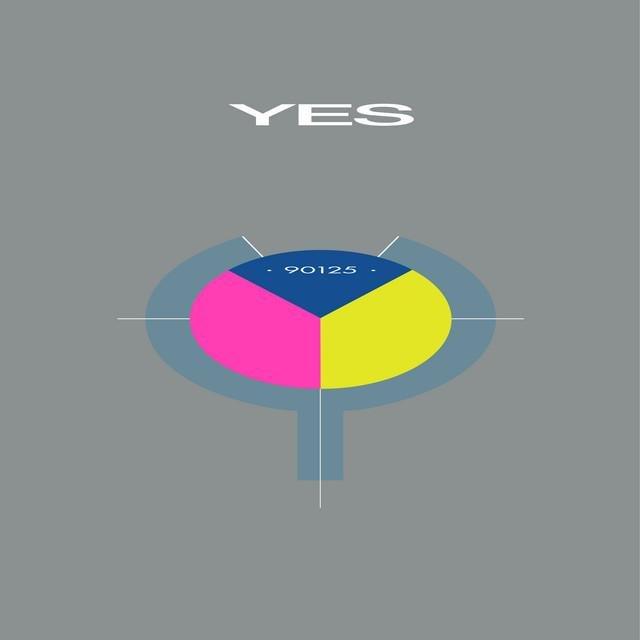
Yes released "Changes" on 90125 in 1983, with the single arriving that November. It became a major rock-radio track and reached No. 6 on Billboard's Mainstream Rock chart, marking it as one of the key songs from the band's comeback era. Factually, the album version is credited to Trevor Rabin, Jon Anderson, and Alan White, and it was produced by Trevor Horn.
A breakup song with a wider reach
At its most direct, the lyrics describe someone trying to process the end of a relationship. The opening idea, moving through some changes
, immediately frames heartbreak as transformation. They are not simply sad; they are altered.
That matters because the song never treats love as a small event. When the singer says the shared love has collapsed, the loss affects self-image, memory, and direction. The mirror scene is especially important: instead of finding clarity, they see emptiness. In plain terms, the breakup has drained the warmth they once gave.
Interpretation: This is why the song feels bigger than a typical split anthem. It suggests that when a bond ends, a whole inner world has to be rebuilt.

Watch the official Changes
music video
Where the song came from
Context helps explain the mood. According to Songfacts, Trevor Rabin said he wrote the lyric during a depressed period after moving to America and dealing with pressure to write in a more commercial style. He called it a melancholy song
. That comment fits what listeners hear: sadness mixed with motion, as if life is pushing forward even while the heart lags behind.
There is also an important writing detail behind the arrangement. Rabin created the basic musical and lyrical structure, while Jon Anderson and Alan White added material for the final Yes version. White contributed the distinctive opening rhythmic idea, and Anderson helped shape parts of the melody and bridge. Those combined voices help explain why the song feels personal but also dramatic and expansive.
How the verses map emotional damage
The verses move through three connected stages:
- Recognition that something has ended.
- Reflection on what was given and what was missing.
- Acceptance that it cannot be saved.
The line about looking in the mirror shows the emotional low point. Then the song shifts into a more confrontational stance, almost warning the other person that choices have consequences. A phrase like root yourself to the ground
sounds like advice, but it also sounds desperate, as if stability must be commanded into existence.
Later, the lyric admits there is no way to save it now
. That is the clearest turning point in the song. After that moment, the focus moves from repairing love to surviving its aftermath.
Why the chorus matters so much
The repeated title phrase does more than summarize the song. It acts like a pulse. Every time "changes" returns, it reminds the listener that transformation is not optional.
Interpretation: The chorus is powerful because it works in two directions at once. It sounds mournful, since change follows loss. But it also hints at renewal, because staying frozen would be worse. That double meaning is what gives the song emotional depth.
The bridge makes this even clearer. The idea of one word from you
suggests how fragile love can be. A relationship can rise or collapse through communication, silence, or a single truth finally spoken.
One road to loneliness
One road to happiness
Those lines reduce the song's conflict to a stark choice. The path after heartbreak can harden into bitterness, or it can move toward healing.
Sound, structure, and emotional force
Musically, "Changes" is crucial to understanding the meaning of Changes Yes. The production by Trevor Horn gives it a clean, modern 1980s sheen, but the song still keeps Yes's progressive instincts. The intro's shifting rhythmic pattern creates unease before the full band opens things up.
That contrast is the point. The percussion feels almost mathematical, while the vocal delivery feels wounded and human. Bright guitars and polished textures do not erase the sadness; they frame it. The arrangement keeps moving forward, mirroring the lyric's central idea that life changes whether a person is prepared or not.
This balance also explains the song's appeal. It is emotional without collapsing inward. It hurts, but it still drives.
Two useful ways to read it
Interpretation 1: A breakup narrative. The most obvious reading is that the singer addresses a former partner and tries to make sense of emotional abandonment.
Interpretation 2: A song about reinvention. Given Rabin's comments about relocation and industry pressure, the failed relationship may also stand in for a larger life crisis. Love becomes the language for artistic and personal dislocation.
Both readings can exist together. That is one reason the song has lasted.
Why it endures
"Changes" remains compelling because it captures a familiar feeling: the moment when pain has not ended, but understanding has begun. It knows that heartbreak can make people angry, empty, and wiser at the same time.
For many listeners, the meaning of Changes Yes is not simply that love ends. It is that change, however unwelcome, can reveal what was real, what was imagined, and what must come next.
Disclaimer: This interpretation blends documented background with critical reading of the lyrics and music. Song meaning can remain open to individual listeners.








