Why “Credit In The Straight World” Cuts Deep
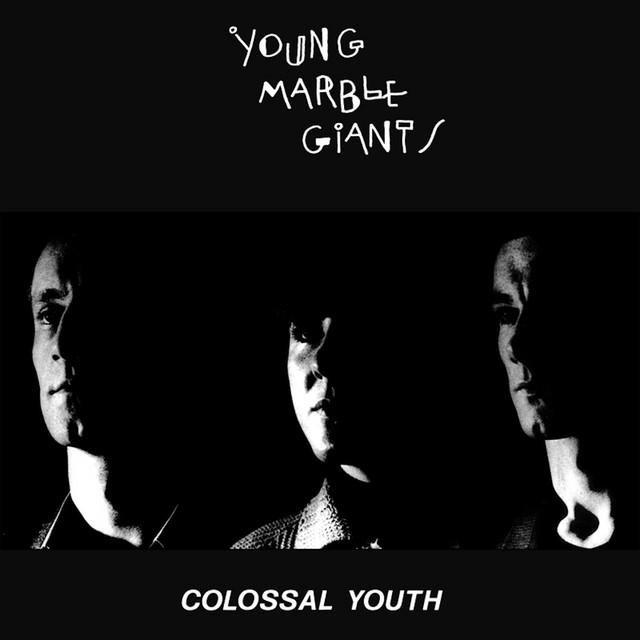
The meaning of Credit In The Straight World Young Marble Giants comes through in a few blunt lines: this is a song about what society rewards, what it takes away, and how normal success can feel hollow. Young Marble Giants built their reputation on extreme minimalism, especially on Colossal Youth (1980), the album most closely associated with their sound. The Welsh trio became influential for turning small, cool, spare arrangements into something emotionally huge.
"Credit In The Straight World" - Young Marble Giants
Look a dealer in the eye
Go for credit in the real world
Loading lyrics...
Unable to load lyrics
We're unable to display the lyrics at this time. Please try again later.
In this song, that stripped-down style matters. The words are simple, but they point to a harsh idea: the “real world” may offer status and security, yet it can ask people to give up parts of themselves in return.
A Tiny Song With a Big Social Critique
On the surface, the lyric sounds like advice. It opens with commands like go for credit
and look a dealer in the eye
. But the tone is too dry to sound sincere. Instead, the song seems to mimic the language of adulthood, business, and respectability.
Interpretation: Young Marble Giants appear to be mocking the message that people should chase legitimacy at any cost. “Credit” works as both a money term and a social term. It means borrowing power, but also earning approval. In that reading, the song asks a sharp question: what does a person really gain when they finally become acceptable to the “straight world”?
That double meaning is the key to the song. The lyrics link financial systems, social systems, and personal damage in just a few lines.

Watch the official Credit In The Straight World
music video
The Shock in the Middle of the Song
The central turn comes when the speaker says I lost a leg
and I lost an eye
. They do not explain whether this damage is literal. The song is too compressed for that. What matters is the effect.
The phrase suggests that entry into the respectable world is costly. A person may gain “credit,” but lose wholeness. The image is so extreme that it feels like satire, but it also feels true in an emotional way. People can win comfort, status, or adulthood while becoming less themselves.
That is why the song stays unsettling. It does not describe a dramatic rebellion. It describes compliance. The danger is not chaos. The danger is fitting in.
Who They Seem to Be Addressing
The voice moves between command and confession. At first, the speaker sounds like society itself, pushing someone toward success. Then the song shifts into personal testimony, as if someone who followed the rules is reporting back.
That structure makes the lyric more than a rant. It becomes a warning. One voice says: join the system, get secure, be realistic. Another voice answers: yes, but look what it cost.
This tension is why the repeated phrase the real world
sounds bitter instead of wise. In everyday speech, that phrase often means maturity and practicality. Here, it feels like pressure dressed up as common sense.
The Last Lines Turn Money Into a Drug
Near the end, the song connects social credit to death and intoxication. It mentions leaving money when you die
and says plenty of credit gets you high
. That pairing is brutal.
First, it reduces the promise of financial success to something empty. If wealth outlives the person, what was it really for? Second, it compares the chase itself to addiction. Credit becomes a buzz, a thrill, a false lift.
Interpretation: The song may be saying that mainstream rewards are not only shallow; they can become habit-forming. People keep chasing validation because the system teaches them to confuse it with life.
Why the Sound Makes the Message Stronger
Young Marble Giants were formed by Alison Statton, Stuart Moxham, and Philip Moxham, and Stuart Moxham wrote this song. Their recordings are known for spare guitar, simple drum machine patterns, bass, and lots of open space. That style is documented in the band’s history and the legacy of Colossal Youth, often cited as a landmark of post-punk minimalism.
That production choice is not decorative. It sharpens the meaning. A fuller rock arrangement might have made the song sound angry or theatrical. Young Marble Giants do the opposite. The calm vocal and clean backing make the lyric feel colder, more matter-of-fact.
That emotional restraint mirrors the song’s subject. The “straight world” often speaks in reasonable tones. It does not need to shout. It persuades through routine, repetition, and social pressure. The band’s minimal sound captures exactly that chill.
A Few Strong Ways to Read It
There is more than one useful reading of the meaning of Credit In The Straight World Young Marble Giants:
- Social conformity: The song criticizes the pressure to become respectable.
- Consumer capitalism: It attacks a world where human worth gets measured through money and access.
- Adulthood as compromise: It reflects the fear that growing up means losing imagination, risk, or identity.
These interpretations can all fit at once. The lyric is so compressed that it leaves room for overlap.
Why It Still Resonates
The song still feels current because its target has not disappeared. People are still told to build credit, act sensible, and prove they belong. Those demands may be practical, but the song asks what gets hidden inside them.
Young Marble Giants do not offer a speech or a solution. They offer a miniature portrait of damage disguised as success. That is what makes the song linger.
In the end, “Credit In The Straight World” is not against survival. It is against mistaking approval for freedom. That distinction gives the song its lasting sting.
Disclaimer: This article offers an interpretation of the song based on its lyrics, context, and recorded performance. Meanings can vary from listener to listener.








