N.I.T.A. by Young Marble Giants
A small song with a deep bruise
The meaning of N.I.T.A. Young Marble Giants seems to center on a simple but painful fact: one person has moved on, while the other has not. The lyric opens with polite acknowledgment of the other person's happiness, then quickly reveals the wound underneath. That contrast is the key to the song.
"N.I.T.A." - Young Marble Giants
Having a good time
But it still hurts ''cause you used to be mine
Loading lyrics...
Unable to load lyrics
We're unable to display the lyrics at this time. Please try again later.
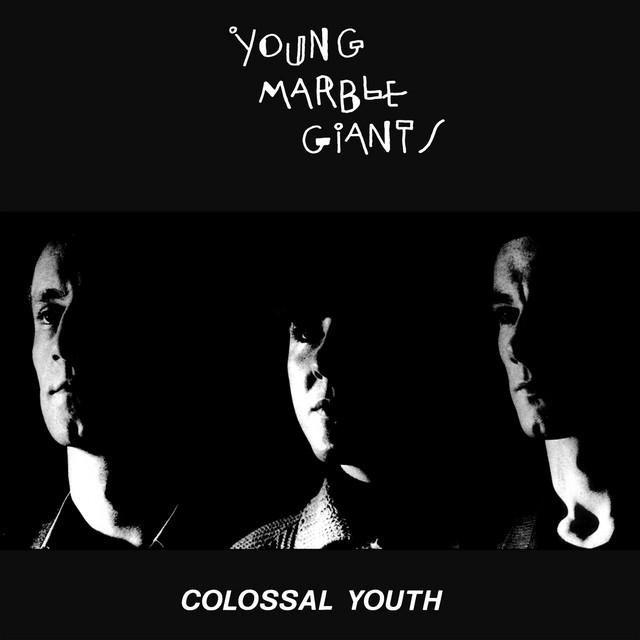
Rather than dramatize heartbreak, Young Marble Giants make it feel private and controlled. The speaker does not explode. They observe, remember, and quietly admit that the past still lingers. That restraint fits the band's whole style. Young Marble Giants formed in Cardiff in 1978 and became known for extremely sparse, intimate songs, later collected on their only studio album, Colossal Youth in 1980, a record widely praised for its lasting influence and minimal sound (American Songwriter).

Watch the official N.I.T.A.
music video
The emotional core: hurt without possessiveness
At the center of the song is a mature but uneasy emotional stance. The speaker admits pain, yet tries to avoid sounding controlling. That is why one of the most revealing lines is you used to be mine
, followed by the clarification that this does not mean ownership.
That matters because the song is not framed as jealousy alone. It is about emotional imprint. The person is gone, but they still feel present. The phrase you're haunting me
points to that idea. The past relationship has become a ghost the speaker cannot quite dismiss.
Interpretation: this makes the song less about romance in the present and more about the afterlife of intimacy. Someone can be absent and still shape how a person thinks, sees, and feels.
How the images work like memory fragments
One striking thing about "N.I.T.A." is how it moves through odd, almost disconnected images. There is body language, visual instruction, nature, rooftops, tea, and a tidy mother at the table. These details do not form a neat plot. Instead, they feel like flashes of memory.
The line Let's be a tree
is a good example. On the surface, it sounds playful or surreal. In context, it suggests a moment of shared imagination, maybe even an attempt at stillness, rootedness, or becoming part of something natural. Then the song shifts toward sadness with tears in my eyes
, turning exterior details into signs of internal distress.
This is one reason the song feels so human. Breakup memories rarely return in perfect order. They come back as scenes, phrases, rooms, habits, and gestures. "N.I.T.A." captures that fragmented mental replay.
No rain outside but tears in my eyes
Out on the rooftop for a surprise
That brief passage is especially telling. It separates the weather from the feeling. Nothing outside demands sadness, yet sadness arrives anyway. The rooftop image adds uncertainty: perhaps a meeting, a revelation, or a remembered moment that now carries emotional weight.
Domestic details and emotional regression
The second half of the lyric becomes more domestic. A call at teatime, coming in off the street, sitting at the table, and the line Mummy is neat
create a strangely childlike atmosphere. The song seems to drift from adult heartbreak into scenes of family order and social ritual.
Interpretation: those details may show emotional regression. After loss, the speaker's mind returns to safe, familiar structures: home, routine, manners, and childhood language. That does not make the song childish. It makes it vulnerable.
It may also suggest class and British everyday life, grounding the song in ordinary surroundings rather than grand drama. Young Marble Giants often found emotional force in understatement, and these plain domestic images do exactly that.
Why the minimalist sound matters so much
The meaning of N.I.T.A. Young Marble Giants becomes clearer when heard through the band's signature sound. Their music is famously stripped down: soft vocals, skeletal rhythm, uncluttered arrangements, and lots of empty space. According to Stuart Moxham and Alison Statton, the band deliberately rejected rock excess, aiming instead for honesty, softness, and what they called the "bones" of music (American Songwriter).
That approach changes how this lyric lands. In a louder band, these words might sound melodramatic. Here, they sound exposed. There is nowhere to hide. Statton's calm delivery makes the hurt feel even sharper because it is understated.
This also fits Moxham's comments that many of his lyrics were personal, even if distance helped him write them and another voice sang them (American Songwriter). That background supports reading "N.I.T.A." as intimate, not abstract for its own sake.
A few possible readings of the title and song
There is no widely confirmed public explanation for what "N.I.T.A." stands for in the material provided here. Because of that, any firm decoding would be speculation.
Still, the song invites a few careful readings:
- Breakup aftermath: the clearest reading; someone is trying to be gracious while still hurting.
- Memory collage: the scattered images suggest the mind replaying moments out of order.
- Emotional haunting: the relationship is over, but its influence remains active.
The best reading may be the simplest one. "N.I.T.A." shows how people can accept another person's freedom and still feel deeply marked by what they shared.
Why the song still resonates
Young Marble Giants have endured because they trusted quietness. Their songs do not tell listeners what to feel. They leave room for discomfort, ambiguity, and recognition. "N.I.T.A." is a strong example of that gift.
For listeners in the United States or anywhere else, the song still feels fresh because its pain is so recognizable: being glad someone is well, yet not being healed oneself. That is a hard emotion to admit. Young Marble Giants admitted it with almost nothing, and that is why it lasts.
Disclaimer: This article offers interpretation based on the lyrics, documented band context, and available sources. Song meaning can remain open, and listeners may hear it differently.







