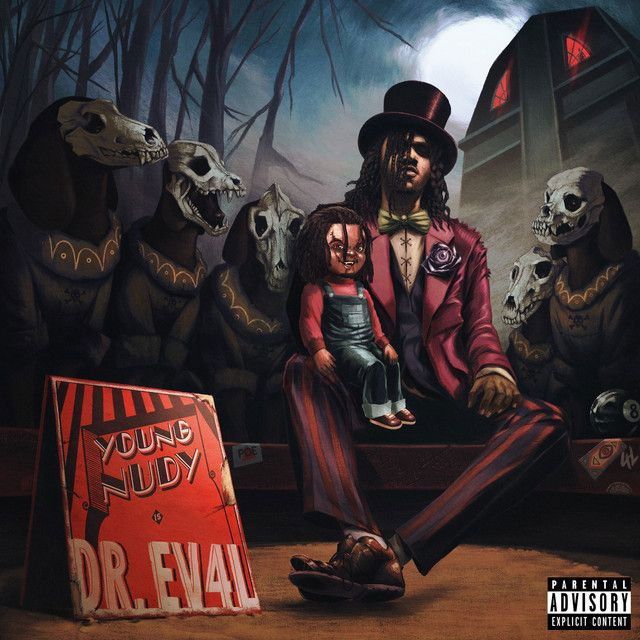
Soul Keeper by Young Nudy
In "Soul Keeper," Young Nudy turns street survival into a personal code: protect the zone, feed the people, and never look weak.
"Soul Keeper" - Young Nudy
Provided by LyricFindYou fuck niggas better stand the fuck up for your motherfuckin' zone, you bitch
You ain't stand up for what you doin'
Then nigga, what the fuck you doin' it for, fuck nigga?Loading...Loading lyrics...
Unable to load lyrics
We're unable to display the lyrics at this time. Please try again later.
What the Song Seems to Guard
The meaning of Soul Keeper Young Nudy comes through fast: this is a song about survival through force, loyalty, and money. The speaker does not describe inner healing or spiritual peace. Instead, they frame protection as something physical and harsh. Their world runs on fear, status, and the duty to provide.
That is why the opening talk matters so much. Before the main verses, the song lays out a code: stand up for where they are from and make sure the family eats. That setup makes the rest of the song feel less random and more like a mission statement.
Interpretation: the title seems ironic or twisted on purpose. A “soul keeper” usually sounds gentle or sacred. Here, it points to someone who protects their people by any means they think they need.

Watch the official Soul Keeper
music video
A Voice Built on Threat and Duty
Young Nudy raps in a first-person voice, but the point is bigger than one person. The “I” in the song stands in for a crew, a block, and a code of behavior. They keep returning to action, not reflection.
Short phrases like feed my people
and money over everything
show the values at the center of the track. Even when the song boasts about earnings, drugs, or influence, it keeps coming back to obligation. The speaker wants power, but they also want that power to look justified.
This is one reason the track feels colder than emotional rap. They rarely pause to question anything. Instead, the delivery presents violence as routine and businesslike.
The Story Hidden Inside the Brags
Even without a clear plot, the song moves in stages:
- The code is announced. They say a person has to stand for their area and provide for family.
- The power is displayed. The verses pile up threats, wealth claims, and drug-trade details.
- The motive is repeated. The hook ties risk and aggression back to supporting the group.
- The local identity is confirmed. They mention Eastside ties, gang symbols, and neighborhood loyalty.
This structure matters. A line like run like a track meet
is not just a threat. It also shows pursuit as sport, almost as if dominance itself proves authenticity. Later, we not beefin'
lands with bitter irony, because the line comes in a context where violence clearly is the argument.
Why the Hook Is the Key
The chorus is where the meaning sharpens. They say they made money from weed, call themselves a heavy smoker, and then explain that they put their “army” onto a move because they have to feed my people
. That refrain reframes the whole song.
Without the hook, the verses could sound like pure intimidation. With it, the song tries to create a moral logic: money is survival, survival needs force, and force becomes acceptable because others depend on them.
Interpretation: this is not a defense of the behavior. It is a look at how the speaker rationalizes it. The hook shows how care and cruelty get fused together in their worldview.
Images That Build Young Nudy's World
Several motifs repeat across the track:
- Weapons as symbols of control and reputation
- Money as proof of success and independence
- Drugs as both product and lifestyle
- Neighborhood signs as markers of identity
- Breathing, smoke, and reapers as death imagery
The song keeps linking weed smoke to human danger. A phrase like grim reaper
pushes that connection further, turning the speaker into an agent of death. Meanwhile, coded place references and crew names make the song feel grounded in a specific local scene instead of a generic rap fantasy.
That local detail fits Young Nudy's wider reputation as an Atlanta artist whose music often carries Eastside identity and slippery, conversational menace. Biographical basics about Nudy and his catalog are documented by sources like AllMusic and Genius artist pages.
How the Sound Likely Carries the Meaning
The provided lyrics do not include production credits, so any reading of the beat should stay careful. Still, the words strongly suggest a dark trap setting: heavy low end, sparse melodic detail, and enough open space for threats to hit hard.
That kind of production would support the song's emotional effect in three ways:
Minimal melody, maximum pressure
A stripped-back instrumental makes every line sound more direct. There is less distraction, so the threats feel blunt and near.
Repetition as mindset
The repeating hook turns survival into doctrine. It is not just catchy; it sounds like something the speaker has told themselves many times.
Calm delivery, harsher meaning
Young Nudy often uses a laid-back, almost detached tone in songs, which can make violent lines sound even more unsettling. The coolness suggests control, not chaos.
Two Strong Readings of the Title
There are at least two useful ways to read “Soul Keeper.”
Interpretation 1: Protector of the circle
Under this reading, the soul being kept is the life of the group itself. The speaker becomes a guardian of family, crew, and neighborhood identity.
Interpretation 2: A soul already hardened
Another reading is darker. The title may hint that the speaker has locked away their own softer self. To survive, they keep their soul buried under money talk, retaliation, and performance.
Both readings fit the song because it keeps pairing care with brutality.
Final Take on the Meaning of Soul Keeper Young Nudy
The meaning of Soul Keeper Young Nudy is not subtle, but it is layered. On the surface, it is a street-rap performance full of threats and flexes. Underneath, it is about how a person explains violence to themselves when they believe survival, loyalty, and income are all tied together.
That tension is what gives the song weight. It is not just about being feared. It is about being responsible for others in a world the speaker sees as unforgiving.
Disclaimer: This interpretation is based on the lyrics provided and publicly available artist context. Song meaning is never fully fixed, and listeners may hear different shades in the same track.









