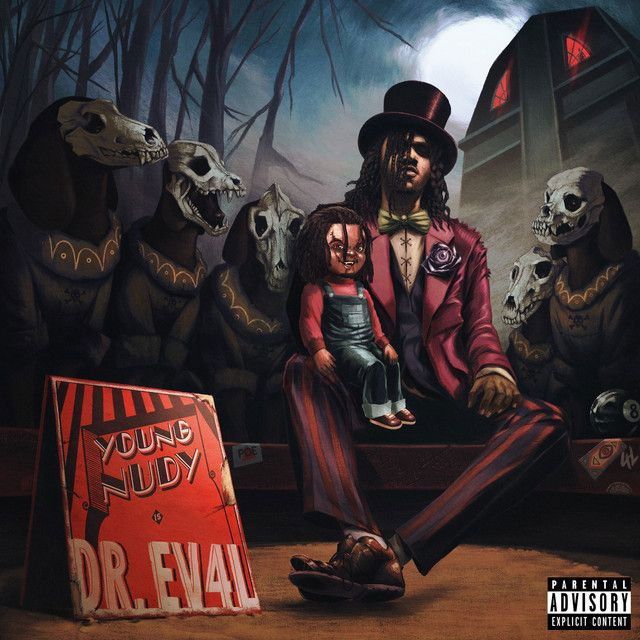
Why Young Nudy's 'The Rustlers' Hits So Hard
Young Nudy’s “The Rustlers” is not subtle, and that is the point. The track turns threat, pride, and street loyalty into one blunt message: they have money now, but they still move like someone who expects conflict. For listeners searching for the meaning of The Rustlers Young Nudy, the song works less like a story with a twist and more like a warning siren that keeps repeating.
"The Rustlers" - Young Nudy
(Bavieronthebeat)
Pussy-ass nigga
Loading lyrics...
Unable to load lyrics
We're unable to display the lyrics at this time. Please try again later.
A Threat Wrapped in a Victory Lap
At the most direct level, the song is about dominance. Young Nudy describes protection, enemies, sexual bragging, and wealth as parts of the same identity. When he says ready for war
, he is not just talking about literal violence. He is building a mindset where every interaction feels competitive.
That matters because the song keeps linking disrespect with punishment. Rivals are mocked for pretending to be tough, while Nudy presents himself as the person who can back up every claim. Interpretation: the real target may be anyone who confuses fame with softness. In that reading, the song says success has not made them easier to challenge.
Watch the official The Rustlers
music video
The Hook Explains the Whole World
The chorus is the clearest key to the song’s meaning. Nudy repeats that he has soldiers with him, that opponents are acting weak, and that his own money and status make him untouchable. The line with them sticks
signals armed protection, but it also symbolizes constant readiness.
The hook’s repetition matters. Instead of moving the plot forward, it locks the listener inside one emotional state: pressure. Every time it returns, it reinforces the same hierarchy. They are defended, the other side is exposed, and money only strengthens that gap.
Street Identity Versus New Fame
One of the most interesting parts of “The Rustlers” is how often Nudy says he has not changed. He brags about cash and attention, but he also insists fame has not erased where he comes from. The line I ain't changed
is simple, yet it carries much of the song’s emotional weight.
That idea gives the track more shape than a standard flex anthem. Nudy is not only saying he is rich. He is saying his roots, his crew, and his code still define him. References to apartments, the same gang, and locked-up friends keep the song tied to place and memory.
Loyalty Is Part of the Muscle
The song’s harder lines can overshadow its loyalty theme, but it is there. He shouts out people who are gone and people who are incarcerated. That makes the song feel communal, not just ego-driven.
Interpretation: these moments suggest that toughness is not presented as random cruelty. In Nudy’s version of the world, it is tied to protecting a circle, honoring the dead, and refusing to betray those who were there before the money arrived.
How the Lyrics Build Status
Nudy uses a few recurring symbols to turn himself into a larger figure:
- Weapons suggest readiness and control.
- Jewelry signals earned status and visibility.
- Sports language like
send a blitz
frames aggression as strategy. - Neighborhood references ground the song in real ties, not fantasy.
Even the boast young rich nigga
is doing more than showing off. It places wealth inside a survival narrative. He is counting money, but he is also proving he made it through a hostile environment.
There is also a crude, constant use of humiliation toward rivals. That language is meant to strip enemies of dignity. In rap, that kind of attack often serves a purpose beyond insult: it lowers the other side while raising the speaker’s standing.
The Sound Makes the Message Colder
The production, tagged in the intro as Bavieronthebeat, helps “The Rustlers” land with force. The beat is heavy, sparse, and dark, giving Nudy lots of room to deliver threats without rushing. The drums hit like footsteps, and the low-end creates a tense, watchful mood.
That sonic space matters. A brighter beat could make these lines feel playful. Here, the stripped-down production makes them feel deliberate. Nudy’s voice often sounds calm rather than frantic, which makes the warnings feel more believable. They do not sound emotional or out of control; they sound settled in their worldview.
Artist Context Helps Explain It
Young Nudy has built a reputation for mixing street detail, deadpan humor, and eerie production across projects in Atlanta rap. Public artist bios and release coverage have consistently placed him within that lane, where menace and personality sit side by side.
That context fits “The Rustlers.” The song is not trying to be confessional in a soft way. Instead, it presents identity through pressure, flexing, and neighborhood allegiance. The credited writer provided here is Quantavious T. Thomas, which matches Young Nudy’s legal name and supports the idea that the voice is closely tied to his established persona.
A Second Reading: Performance as Protection
There is another way to hear the meaning of The Rustlers Young Nudy. Interpretation: the song may be as much about performance as actual conflict. In that reading, the constant threats, bragging, and sexual humiliation are part of building an image no one wants to test.
That does not make the song less serious. It makes it more strategic. Repetition becomes armor. The more often he says he is guarded, rich, and unchanged, the more solid that public image becomes.
Final Take on “The Rustlers”
“The Rustlers” is about dominance, but it is also about continuity. Young Nudy frames wealth as an upgrade, not a transformation. They still belong to the same people, the same codes, and the same sense of danger.
For most listeners, that is the clearest answer to the meaning of The Rustlers Young Nudy: it is a hard-edged declaration that money may change the surroundings, but it does not change the person speaking.
Disclaimer: This interpretation is based on the lyrics provided and widely understood rap themes. As with any song, meaning can vary by listener and may differ from the artist’s private intent.









