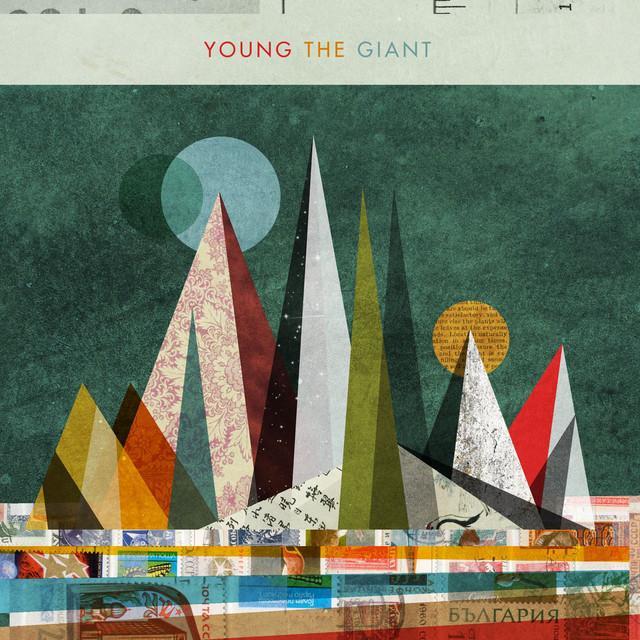
Cough Syrup by Young the Giant
The meaning of Cough Syrup Young the Giant comes down to a simple tension: they want relief, but they also want clarity.
"Cough Syrup" - Young the Giant
Provided by LyricFindLife's too short to even care at all oh
I'm losing my mind losing my mind losing control
These fishes in the sea they're staring at me oh oh oh oh oh ohLoading...Loading lyrics...
Unable to load lyrics
We're unable to display the lyrics at this time. Please try again later.
A restless song about escape and pressure
The meaning of Cough Syrup Young the Giant is usually tied to anxiety, emotional overload, and the feeling of being trapped in a life that does not fit. The song was first written when the band was still known as The Jakes, before appearing on their 2008 Shake My Hand EP and later on their self-titled album. It was released as a single in 2011 and became one of the band’s biggest crossover songs, peaking at No. 3 on Billboard’s Alternative chart.
Factually, frontman Sameer Gadhia has explained that the song came from a period when the band was unsigned, broke, and unsure of what came next. He said they felt pushed by the expectations of Orange County suburbia and wanted to break out of its "boredom, normality and homogeneity." That statement matters because it gives the song a clear emotional setting: not just sadness, but suffocation.
Interpretation: Even if listeners apply it to depression, panic, or burnout, the core feeling is the same. They are searching for a way out of numbness and conformity.

Watch the official Cough Syrup
music video
The speaker sounds overwhelmed, not detached
From the opening lines, the narrator does not sound cool or distant. They sound flooded. When the song says losing my mind
, it does not describe a single dramatic event. It suggests a repeating spiral, where thoughts keep circling and control keeps slipping.
That helps explain why the song’s world feels warped. The images of fishes in the sea
and zombies in the park
turn ordinary spaces into something eerie. The effect is not fantasy for its own sake. It shows how stress can distort everyday life until everything looks alien, watchful, or threatening.
A short map of the song’s movement
The lyrics unfold in a pattern:
- They admit emotional disorientation.
- They imagine escape if they could finally “see straight.”
- They chase things that promise relief.
- They end up waiting for that relief to wear off.
That structure is why the song feels both urgent and suspended. They want action, but they are stuck in delay.
Why the “cough syrup” image matters
The title image is the song’s most important symbol. On the surface, cough syrup is something meant to soothe. But it can also make a person drowsy, foggy, or disconnected. In the chorus, the line come down
suggests waiting for a haze to lift.
Interpretation: The “cough syrup” does not have to mean one literal substance. It can stand for any coping mechanism, fantasy, or emotional crutch that dulls pain without solving it. The song keeps asking whether relief is really helping, or just delaying the harder truth.
That is why another key line, restore me
, feels so desperate. The narrator is not asking for pleasure. They are asking to be returned to a version of life that feels whole and real.
One more spoon of cough syrup now
One more spoon of cough syrup now
In context, that brief repetition sounds less like celebration than surrender. They know the cycle is continuing.
The suburbia backstory sharpens the lyrics
Gadhia’s own comments are crucial here. He described the song as a cry for help and a reaction to the sameness of suburban expectation. That makes lines about running away and seeking fortune feel less abstract. They are not only about fame or success. They are about wanting a life with shape, purpose, and identity.
This is one reason the song connected so strongly. It captures a very American kind of pressure: the sense that a “normal” path has already been drawn, and any uncertainty feels like failure. In that light, the lyric idea life's too short
is not carefree. It is panicked. They know time is moving, but they still do not know where they belong.
How the music carries the meaning
The production gives the song much of its emotional power. Critics noted the contrast between mellow guitar textures and the song’s emotional distress, with some also pointing to the dramatic sweep around the chorus. That push-pull matters.
The verses feel suspended, almost underwater, which matches the lyrical blur. Then the chorus opens up and strains upward, as if the singer is trying to break the surface. Sameer Gadhia’s vocal delivery is central: he moves between restraint and ache, making the song sound both intimate and anthemic.
Interpretation: Musically, “Cough Syrup” stages a battle between sedation and release. The arrangement never fully collapses, but it never fully relaxes either. That tension mirrors the song’s message.
Why listeners often hear more than one meaning
Because the writing is symbolic, the song invites multiple readings. Some hear it as a portrait of depression. Others hear anxiety, addiction-adjacent imagery, or the broader fear of wasting one’s life. All of those readings are plausible, as long as they stay grounded in the song’s mood and the band’s stated context.
The song also gained a second life through a high-profile Glee performance tied to a suicide-attempt storyline, which reshaped how many people encountered it. Gadhia later said that was not the original intent, though the band empathized with the scene’s emotional seriousness. That history does not change the song’s origin, but it does show how strongly its imagery speaks to crisis.
The lasting takeaway
At its heart, the meaning of Cough Syrup Young the Giant is about wanting relief from a life that feels blurry, pressured, and painfully ordinary. The song does not offer a neat cure. Instead, it captures the scary middle ground between knowing something is wrong and not yet knowing how to heal it.
That is why it still resonates. They turn private confusion into a big, singable anthem without making the confusion disappear.
Disclaimer: This interpretation blends documented artist comments with close reading of the lyrics and sound. As with most symbolic songs, individual listeners may hear different meanings.









