Why “38 Baby” Sounds Like Survival
The meaning of 38 Baby YoungBoy Never Broke Again starts with a simple idea: this is not just a brag track. It is a survival statement. YoungBoy presents himself as a teenager rising fast, but also as someone who believes danger is always close.
"38 Baby" - YoungBoy Never Broke Again
You know, nigga know what the fuck it is mane, NBA gang, ya heard me?
I go by Young Boy, I'm the hottest youngin', ya heard me?
Loading lyrics...
Unable to load lyrics
We're unable to display the lyrics at this time. Please try again later.
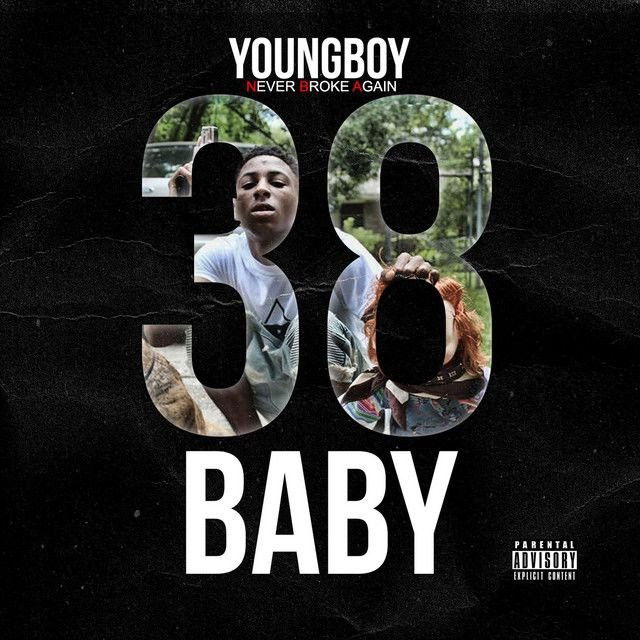
Released on the 2016 mixtape 38 Baby, the song helped introduce the Baton Rouge rapper before his later chart success documented on YoungBoy Never Broke Again. In that early moment, they were building an identity around pressure, distrust, and local loyalty. The title itself works like a badge. “38” points to weapon imagery, but also to the hardened persona they want listeners to recognize.
More Than Flexing, It’s a Threat Assessment
On the surface, the track sounds like a tough-guy anthem. YoungBoy boasts, curses out doubters, and insists nobody handed them anything. But under that aggression is a constant fear of betrayal.
Very early, they describe people hiding their motives and women setting people up. That matters because it frames the whole record as a world where affection, friendship, and even success can be traps. When they say “they scheming”
, the point is bigger than one enemy. It suggests a life where trust has almost disappeared.
Interpretation: the song’s real subject is not violence alone. It is hypervigilance. YoungBoy sounds like someone who believes staying alert is the only way to stay alive.
Watch the official 38 Baby
music video
The Voice of a Young Rapper Under Pressure
A key part of the song’s meaning is age. YoungBoy was still a teenager during the 38 Baby era, yet they rap with the burden of someone much older. That contrast gives the track its force.
They insist they were overlooked for a long time and had to make people notice. That line of thinking turns success into proof of worth. When they mention buying their own car and starting their own path, the point is self-made pride. The flex is not random; it answers disrespect.
There is also a local identity running through the whole song. YoungBoy ties themselves to the North side of Baton Rouge and to NBA as both crew and personal brand. In other words, this is not only an individual record. It is a declaration of where they come from and what they represent.
The Hook Turns Fear Into Identity
The chorus is where the song becomes most memorable. YoungBoy repeats the idea that they are a “38 baby”
and won’t move without protection. That repetition matters because it turns a state of mind into a persona.
Instead of saying fear has weakened them, they reshape it into toughness. The hook basically says: because the world is ruthless, they must be ruthless too. When they say “I stand on it”
, they are defending more than a street code. They are defending consistency, loyalty, and reputation.
“And I don't go nowherewithout that iron on me”
Those lines capture the song’s emotional center. Even at moments of rising fame, YoungBoy does not describe safety. They describe permanent readiness.
Images of Betrayal, Family, and Inheritance
One of the strongest details in the song is the family reference to crime being in their bloodline. That is a sharp line because it mixes biography, mythology, and self-explanation.
Interpretation: YoungBoy may be suggesting that violence around them feels inherited, not chosen in a clean or simple way. The song does not present this as noble. It presents it as normal within their environment.
The same goes for the lines about friends talking down on them. Success in rap usually brings victory laps, but here success seems to bring isolation. Even while blowing up, they sound unconvinced that anyone around them is fully real. A phrase like “my own niggas”
hits hard because it brings suspicion inside the circle, not just outside it.
How the Production Supports the Meaning
The production is crucial to the meaning of 38 Baby YoungBoy Never Broke Again. The beat leaves space for menace rather than speed. It feels heavy, slow, and watchful.
That kind of instrumental gives YoungBoy room to sound both confrontational and tense. Their delivery is not polished in a pop sense. It is raw, clipped, and emotionally direct. That roughness helps the record feel believable. Instead of performing confidence from a distance, they sound like they are living inside the stress they describe.
This fits the broader style that later made them one of rap’s most prolific stars: Southern hip-hop and trap with emotional urgency, a style noted in major career summaries such as their discography history. Even early on, the music carried both street hardness and exposed emotion.
Why the Song Still Matters in YoungBoy’s Catalog
“38 Baby” matters because it sets up themes that would stay central in YoungBoy’s music:
- loyalty versus betrayal
- fame mixed with danger
- hometown identity
- pain expressed through aggression
- survival as a daily mindset
It also helps explain why listeners connected with them so strongly. The song is blunt, but it is not empty. Behind the threats and boasts is a portrait of a young artist who feels cornered, judged, and hunted, yet refuses to sound weak.
Final Reading of “38 Baby”
So, what is the meaning of 38 Baby YoungBoy Never Broke Again? At its core, the song is about turning fear into identity. YoungBoy presents violence, suspicion, and pride as parts of one emotional system. They do not just want respect; they want protection from a world they see as false and dangerous.
That is why the record feels bigger than a standard street anthem. It is a self-portrait of early YoungBoy: ambitious, defensive, paranoid, and determined to survive long enough to be heard.
Disclaimer: This interpretation is based on the lyrics, performance, and public career context. As with all art, listeners may hear different meanings in the song.








