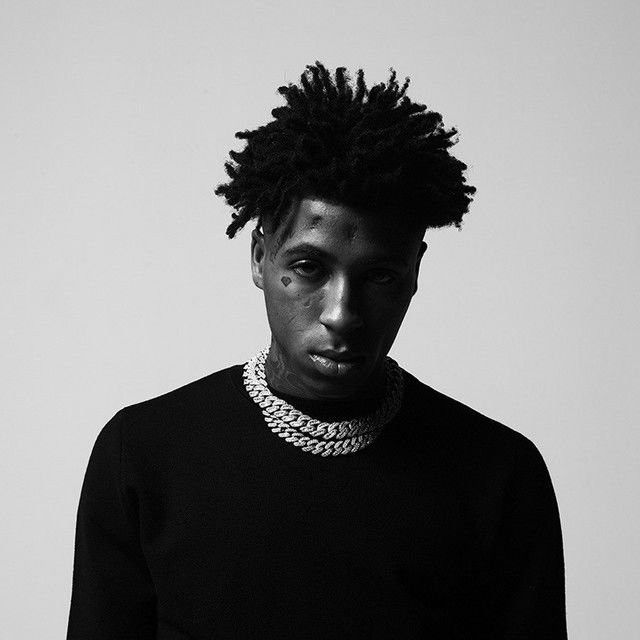
House Arrest Tingz by YoungBoy Never Broke Again
They called it a video drop, but it plays like a diary. To grasp the full meaning of House Arrest Tingz YoungBoy Never Broke Again, start with context: he recorded and released it while confined at home in 2019, then folded it into his 2020 album Top. The song takes a legal limit and flips it into momentum.
"House Arrest Tingz" - YoungBoy Never Broke Again
(Drum Dummie made the beat and you know they killin' it)
Oh, this Drum Dummie who made this beat, huh?
Loading lyrics...
Unable to load lyrics
We're unable to display the lyrics at this time. Please try again later.
Why This Homebound Track Hits Different
House arrest shrinks a life to a fence line, but the track sounds big. YoungBoy stacks boast and confession, pushing against the walls with speed and melody. He craves calm—he says he wants to find some peace
—yet he can’t fully step away from conflict.
Interpretation: the central tension is freedom vs. surveillance. He’s trying to claim agency in a space built to restrict it, turning ordinary backyard scenes into proof of presence and power.
Watch the official House Arrest Tingz
music video
Who Speaks, and Who’s He Addressing?
The narrator is YoungBoy himself, talking to multiple audiences at once: haters, the law, past partners, and fans. Boundaries matter; when he says cross me once
, he draws a hard line around trust.
Interpretation: that line shows a survival code. In his world, betrayal can be fatal or career-ending, so he keeps receipts and reacts fast. The voice is first-person, intimate and volatile, letting anger vent while still watching over family.
From Gate to Courtroom: A Tight Timeline
The lyrics jump through a day-in-the-life loop that never really ends:
- The yard feels like both playground and perimeter. The threat level stays high even at the front door.
- Court and therapy appear back-to-back, proof of a system cycle he can’t escape.
- He notes he’s
talkin' proper
while still “with [his] head off,” a portrait of control battling impulse.
Interpretation: the quick cuts—from porch to judge to counselor—suggest a mind always on alert. Healing attempts are real, but the pressure won’t let up.
The Chorus as Wound and Armor
The hook lays the wound bare with victim of heartbreak
and so damaged
, but he never drops his guard. These phrases admit emotional injury while the surrounding threats and flexes act like a shield.
Interpretation: heartbreak is his origin story as much as the streets. The refrain reframes violence as reaction, not goal—he can’t panic, can’t look soft, even while he’s bleeding inside. That duality is why the chorus lingers.
Symbols, Flex, and Fatherhood in Plain Sight
Objects do a lot of the storytelling. Fancy cars signal escape and status; when he vows to take the top off
, it’s both literal and symbolic—removing a roof when he can’t leave the yard. The Maybach vs. Monte Carlo comparison shrinks luxury to everyday muscle: power is power, with or without the label.
Family grounds the chaos. The video’s backyard scenes, kids splashing on a slide, and a parole officer check-in show a life lived in the open but under watch. Mentions of New York and “Highbridge” point to aspiration and alliance—dreams of a bigger stage beyond legal limits.
Interpretation: fatherhood is his anchor and proof that change is possible, even if anger keeps resurfacing.
Production Choices that Lock in the Mood
Drum Dummie builds a melodic trap canvas with a bright, looping lead, skittering hi-hats, and booming 808s. The mix leaves air for his elastic flow—sung fragments snap into rapid bursts, ad-libs flare, and the tempo rides a mid-pace that feels both restless and focused.
Interpretation: the bounce fights claustrophobia. By sounding expansive, the beat makes the yard feel like a stadium. The tight 2:48 runtime heightens urgency: say it fast, get it out, move on.
Alternate Readings, Same Pressure
One reading: it’s a confession—he’s tired, scared of loss, and trapped by fame, law, and habits. Another: it’s performance as armor. Lines like we knocked him off
carry menace, but they also function as reputation management in rap’s competitive arena.
Interpretation: both are true at once. The contradictions—therapy and threats, love and rage—are the point. He can’t be only one thing, because his world won’t let him.
What to Carry With You
House Arrest Tingz turns limitation into narrative power. It shows a young father trying to grow while surviving scrutiny, heartbreak, and street rules—without pretending any of it is simple.
Disclaimer: Song meanings are interpretive and subjective. This analysis reflects one informed reading based on lyrics, context, and production.








