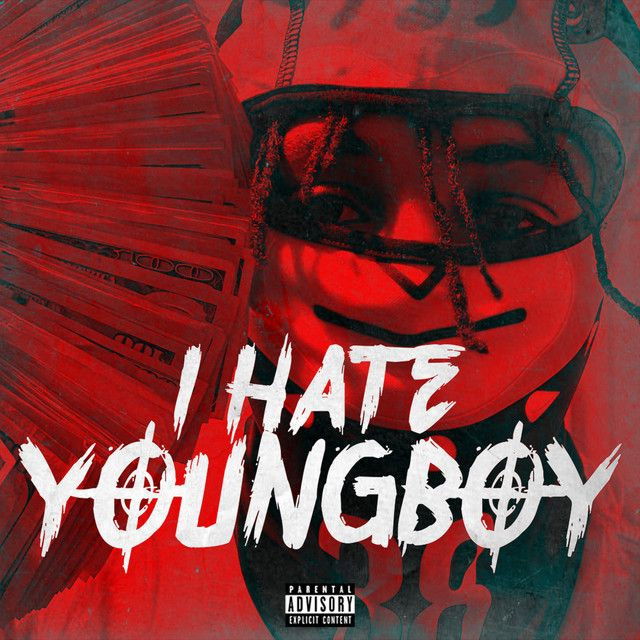
Why "I Hate YoungBoy" Sounds Like War
The meaning of I Hate YoungBoy YoungBoy Never Broke Again starts with a simple truth: this is not a reflective breakup song or a vague flex record. It is a direct, angry answer to enemies, critics, and industry figures YoungBoy felt had lined up against him. Released on February 22, 2022, during the same stretch of public tension around Lil Durk, the track became one of the clearest examples of rap beef turned into raw personal testimony. According to widely reported credits and release details, the song came out in YoungBoy’s The Last Slimeto era and was produced by Cheese, Horrid, K10, and Rell.
"I Hate YoungBoy" - YoungBoy Never Broke Again
Let's hear this shit, Rell (ha, ha)
Horrid, run it up (Lil Top)
Loading lyrics...
Unable to load lyrics
We're unable to display the lyrics at this time. Please try again later.
A Diss Track, but Also a State of Mind
On the surface, the song is a diss record aimed at Lil Durk and people connected to him. That part is factual and well documented in coverage of the song’s release and context. But the deeper meaning goes beyond insults.
The track presents a person who feels hunted, judged, and boxed in. When the hook repeats a warning like they gon' kill you
, the line does more than raise the stakes. It frames the whole song as a response to fear. YoungBoy’s answer is not retreat. It is stubborn refusal.
Interpretation: that is why the record feels so intense. They are not just dissing rivals. They are building an identity around being unafraid, even if that confidence sounds reckless.

Watch the official I Hate YoungBoy
music video
The Hook Turns Fear Into Defiance
The chorus is the song’s center. Someone warns him to stop provoking people, and he answers with I ain't scared of them
. In plain terms, the song keeps returning to the idea that danger is real, but backing down would feel like surrender.
That structure matters. Instead of sounding strategic, the record sounds emotional and immediate, almost like a reaction caught in real time. YoungBoy even breaks the usual rap-song polish near the end, talking more than rapping and saying he is really just letting people know how he feels.
That spoken section gives the song its most revealing moment. It suggests the track is not carefully distanced theater. It is meant to sound personal, impulsive, and impossible to misunderstand.
Who They Seem to Be Talking To
Reporting around the song tied it closely to the escalating conflict between YoungBoy and Lil Durk, especially after Durk released "Ahhh Ha" the same day. The lyrics also mention or allude to other artists and public figures, showing how broad YoungBoy believed the opposition had become.
They reference loyalty, sides, and betrayal again and again. A phrase like fuck the whole industry
widens the song’s target. It stops being only about one rival and becomes a grievance against a whole system of co-signs, playlists, reactions, and alliances.
Interpretation: that is a key part of the meaning of I Hate YoungBoy YoungBoy Never Broke Again. The title sounds self-directed, but the song actually argues that many people already "hate YoungBoy," and this is their answer back.
How Bragging and Threats Work Together
A lot of the verses jump between threats and status symbols. YoungBoy mentions money, cars, jets, and massive earnings, then pivots back into violence and retaliation. That contrast is not random.
In rap, wealth often signals victory. Here, it also works like armor. When they boast that my mind gone
and then brag about millions, the message is not just success. It is survival through pressure. Fame has not calmed them down; it has made the paranoia louder.
The song also repeats ideas about isolation. They say they do not have friends, only baby mothers and associates, and they paint the world as divided into loyal people and enemies. Even the flexes feel lonely.
The Sound Is Cold, Bare, and Built for Confrontation
Production matters a lot here. The beat is sparse and aggressive, with sharp drums and a tense, uncluttered backdrop. That gives YoungBoy room to attack lines with a near-shouting delivery, then slide into muttering or talking without breaking the mood.
There is very little warmth in the instrumental. It feels skeletal, almost empty, which fits the song’s emotional world. The production does not soften anything. Instead, it leaves space for every threat, every sneer, and every sudden switch in tone to land hard.
Interpretation: the minimal beat helps sell the idea of siege. The song sounds like someone pacing a room, replaying betrayals, and daring anyone to test them.
Why the Song Hit So Hard in 2022
Part of the song’s impact came from timing. It arrived as a fast public response in an already heated feud, which made it feel less like a normal album cut and more like an event. Coverage at the time noted its directness, and the track later reached the Billboard Hot 100 and eventually earned Platinum certification in the United States.
That reception matters because it shows how listeners heard more than gossip value. The song became memorable because it captured something extreme but recognizable in YoungBoy’s catalog: wounded pride turned into confrontation.
A line like don't react no more
also shows how modern rap conflict includes streamers, platforms, and online audiences. The enemies are not only on songs. They are in comment sections, algorithms, and public narratives.
Final Meaning: Rage as Self-Defense
So what is the meaning of I Hate YoungBoy YoungBoy Never Broke Again? At its core, it is a song about answering hostility with even louder hostility. It is about refusing embarrassment, refusing fear, and refusing to let other people write the story first.
Interpretation: beneath the threats and insults, the track also exposes insecurity and exhaustion. The need to keep saying they are not scared suggests fear is present, even if it is denied. That tension is what makes the song feel bigger than a routine diss track.
In the end, "I Hate YoungBoy" is YoungBoy turning public conflict into a performance of survival. Whether listeners hear strength, chaos, or both, the song’s power comes from how little distance it keeps between anger and identity.
Disclaimer: This article offers interpretation based on the song’s lyrics, release context, and public reporting. Meanings in music can vary from listener to listener.









