Knock It Out by Yung Joc
A blunt club record with a simple goal
The meaning of Knock It Out Yung Joc is not hidden behind metaphor. This is a sexually boastful rap song built around confidence, repetition, and shock value. Yung Joc presents a narrator who treats intimacy like competition, using battle language and swagger to sell a larger image of dominance.
"Knock It Out" - Yung Joc
Yea, I been there
I done that
Loading lyrics...
Unable to load lyrics
We're unable to display the lyrics at this time. Please try again later.
That makes the song pretty direct, but not meaningless. Its real subject is performance: performance of masculinity, performance of status, and performance for a club-era rap audience that expected quotable punchlines. The hook centers on I been there
and I done that
, which frames the speaker as experienced and undefeated. In plain terms, they are claiming sexual skill as proof of power.

Watch the official Knock It Out
music video
Where it fits in Yung Joc's rise
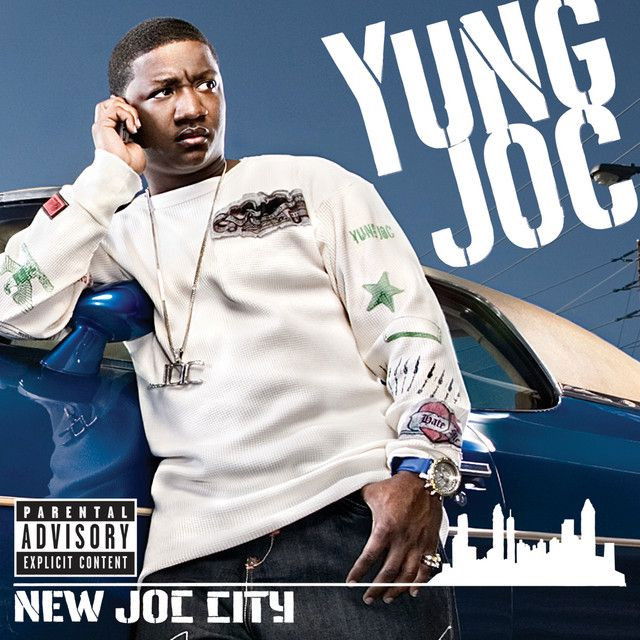
Yung Joc came out of Atlanta's mid-2000s rap wave, a period when regional hits often leaned on huge hooks, chant-ready phrases, and hard, minimal beats. According to Yung Joc's biography, he broke through with New Joc City in 2006 after the success of "It's Goin' Down," and his style became known for catchy repetition and street-club energy.
That context matters here. "Knock It Out" sounds like a song designed less for introspection than for impact. It belongs to a Southern rap tradition where humor, bravado, and exaggerated claims are part of the form. In that setting, the song's crudeness is not accidental. It is the sales pitch.
The chorus turns sex into a scoreboard
The chorus is the key to the song's meaning. Rather than describe romance or connection, it measures success by return and reaction. The idea behind running back
is that past encounters become proof of the narrator's appeal. They are saying women come back because the experience was overwhelming.
Interpretation: the hook is less about intimacy than validation. The repeated title phrase works like a slogan, reducing a private act into a public claim. That repetition matters because it turns the song into a chant. The listener is not asked to think deeply; they are asked to accept a persona.
All nightthey keep repeating,beat it upas a promise, turning endurance into a brag, not a bond.
This is the song's core move. It treats stamina as identity.
Verse by verse, the image gets bigger
Across the verses, Yung Joc keeps stacking comparisons to make the narrator seem larger than life. They compare women returning to boomerangs, use sports and boxing references, and make every scene louder, rougher, and more public. The details are less about realism than escalation.
Desire becomes competition
In the first verse, the narrator presents variety as status. Different women are listed as if they are trophies from different worlds. That fits a common rap device: expanding one's options to show social reach. They also promise mutual pleasure, but even that moment is framed like self-advertising rather than care.
The second verse raises the chaos
The next verse broadens the scene with group imagery, jealous rivals, and noisy encounters. The point is to make the narrator seem unavoidable. Even when the song hints at conflict, it uses that conflict to increase their legend. They are not just desired; they are envied.
Boxing images do the heavy lifting
The third verse leans hardest on fighting imagery, especially with references to knockouts and famous fighters. That is important because it explains the title. "Knock It Out" does not only mean sexual intensity. It also means winning by force, speed, and superiority.
Interpretation: these boxing images reveal how the song thinks about masculinity. Sex is described as a contest with a victor, not a shared moment. That gives the track its aggressive tone.
How the sound carries the message
Production is central to why the song works at all. Even without subtle writing, the rhythm of the hook and the punch of the beat create momentum. This kind of Southern hip-hop often relies on drum-heavy patterns, blunt repetition, and space for the rapper's voice to land hard. That structure makes every boast feel bigger.
The instrumental likely aims for a strip-club and car-stereo effect: thick low end, clipped percussion, and enough room for ad-libs to hit. The repeated phrasing gives the song a mechanical feel, almost like each line is another jab. That matches the fight imagery in the lyrics.
Yung Joc's delivery also matters. They rap with a playful but forceful tone, which keeps the track from sounding reflective. Instead, it sounds like a dare. In that sense, the performance tells listeners how to hear the song: as swagger first, meaning second.
What listeners may take from it now
Today, many listeners will hear the song differently than fans might have in the mid-2000s. Its sexual language is intentionally vulgar, and its view of women is narrow and objectifying. That is a fair response to the text. The song gives very little room for emotional depth or mutual humanity.
Still, from a music-history angle, it captures a real moment in Atlanta rap and mainstream club music. It shows how artists built records around one sticky phrase, then used verses to expand a larger-than-life persona. In that sense, the meaning of Knock It Out Yung Joc is both personal and cultural: it is a boast song, but also a product of an era that rewarded shock, repetition, and dominance.
Final takeaway on the song's meaning
At its core, "Knock It Out" is about sexual bravado as a form of self-branding. The narrator uses repetition, battle metaphors, and exaggerated stories to present themselves as unbeatable. Interpretation: beneath the crude surface, the song is really selling an image of control and status more than desire itself.
That reading fits Yung Joc's wider career as an Atlanta rapper who thrived on catchy hooks and club energy, from New Joc City onward. Listeners can hear the track as a time capsule of mid-2000s Southern rap, even if its values feel dated now.
Disclaimer: song meaning is interpretive. This article separates direct lyrical evidence from informed interpretation, and other listeners may hear the track differently.








