Why 'Longer Boats' Feels Like a Warning
The meaning of Longer Boats Yusuf / Cat Stevens starts with a simple image: something is coming from the water, and people on land are told to brace themselves. The song never explains that image in plain terms. Instead, it uses dreamlike scenes, moral tension, and a gently uneasy folk sound to create a warning about intrusion, control, and the loss of personal freedom.
"Longer Boats" - Yusuf / Cat Stevens
They're coming to win us, they're coming to win us
Longer boats are coming to win us
Loading lyrics...
Unable to load lyrics
We're unable to display the lyrics at this time. Please try again later.
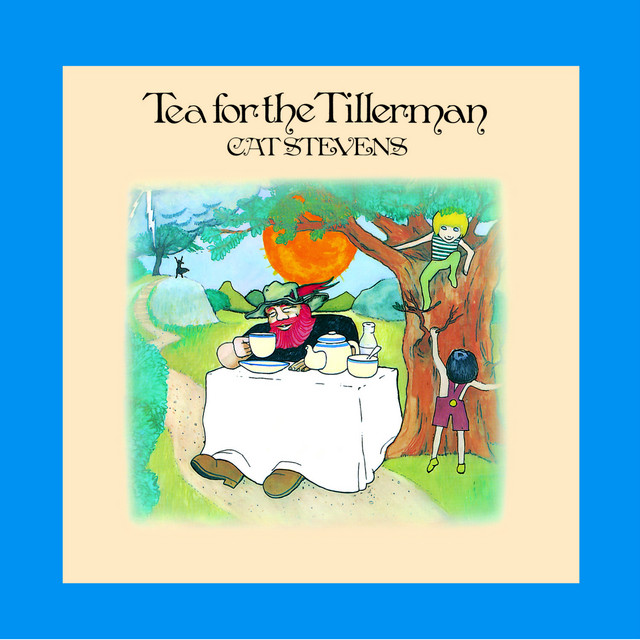
Yusuf, then recording as Cat Stevens, wrote the song himself. It appeared on Tea for the Tillerman, the 1970 album that also included some of their best-known work, according to A&M/Island release information and official artist materials. That album often balanced warmth with doubt, and “Longer Boats” fits that pattern well.
A Chorus About Arrival, Not Rescue
The song’s hook sounds almost nursery-rhyme simple, but its message is not comforting. When the singer repeats longer boats are coming
, the idea is not that help is on the way. It feels more like an occupation or takeover. The next warning, hold on to the shore
, turns the shoreline into a last safe place.
That matters because the chorus also hints that private space will be violated. The phrase taking the key from the door
suggests that the newcomers will not just arrive; they will claim access and authority. Interpretation: the boats may symbolize governments, churches, empires, or any system that enters everyday life and decides it owns the rules.
The Verses Push Back Against Control
The first verse shifts from public threat to private belief. The narrator says I don't want no God
on their lawn, then asks only for a flower I can help along
. In plain terms, they reject imposed religion and choose humble care instead.
That flower image is central to the song’s meaning. The line about nobody truly knowing how a flower grows turns nature into a mystery. It suggests that life has depth beyond doctrine. Interpretation: Yusuf may be contrasting lived wonder with institutions that claim total answers.
This is one reason the song still feels striking. It does not attack spirituality itself. Instead, it questions authority when authority becomes possessive, rigid, or invasive.
Mary, the Parson, and a Troubled Moral Scene
The second verse is harder to decode, but that ambiguity is part of its power. Mary appears in a vulnerable, exposed scene by the sand, and a parson takes her hand. Then the lyric asks where the parson goes. The song does not explain whether this is temptation, judgment, hypocrisy, or some mix of all three.
Interpretation: many listeners hear this as a critique of religious authority. Mary may stand for innocence, sexuality, or a person placed under social judgment. The parson, meanwhile, may represent moral leadership that is less pure than it appears.
What matters is the contrast. The song questions those who claim spiritual power while remaining mysterious themselves. Just as nobody knows how a flower grows, nobody fully knows where the parson goes
. That parallel makes the verse feel skeptical about human authority.
How the Sound Deepens the Message
Like much of Tea for the Tillerman, “Longer Boats” is rooted in folk-pop, with acoustic textures and a measured pace, as noted in album overviews from AllMusic. But the arrangement is not simply gentle. It moves with a subtle pulse that gives the chorus a creeping force.
The result is important to the meaning of Longer Boats Yusuf / Cat Stevens. The music sounds calm enough to invite trust, yet the repeated refrain creates unease. That tension mirrors the lyric: power often arrives politely before it takes over.
Yusuf’s voice also helps. They sing with softness rather than anger, which makes the warning feel reflective instead of theatrical. That choice keeps the song open-ended. It sounds like someone noticing danger early, before everyone else sees it.
Two Strong Ways to Read the Song
There is no single confirmed interpretation attached to every image here, so the best approach is to separate fact from reading.
Interpretation 1: A social and political warning
In this reading, the boats represent colonizing forces, state power, or cultural takeover. The shore is local life, and the taken key symbolizes loss of autonomy. The verses then show how that power reaches even the lawn, the body, and the church.
Interpretation 2: A spiritual warning about false authority
In this version, the song is less about politics and more about people who try to own truth. The flower represents mystery and organic faith, while the parson scene exposes the limits of moral certainty. The boats become a larger symbol for systems that replace wonder with control.
Both readings can exist at once. That layered quality is one reason the song lasts.
Why the Song Still Connects
“Longer Boats” remains compelling because it never overexplains itself. It trusts image, repetition, and mood. Listeners can hear fear of invasion, suspicion of institutions, or a defense of private spiritual life.
For many, the core insight is simple: the song warns that when outside powers arrive claiming order or truth, they may also take away choice. That is the lasting meaning of Longer Boats Yusuf / Cat Stevens.
Disclaimer: This article offers informed interpretation based on the lyrics, recording context, and critical consensus where available. Song meaning can remain open, and individual listeners may reasonably hear it differently.







