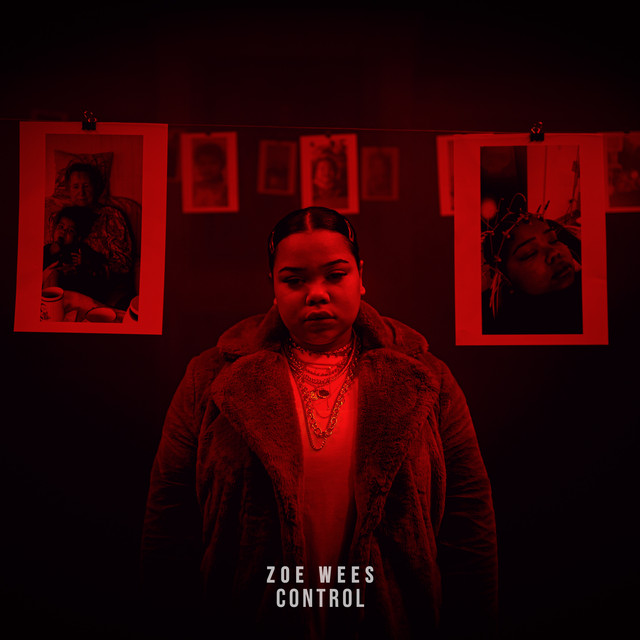
The Meaning Behind ‘Control’ by Zoe Wees
What makes “Control” hit so hard is how plain it feels. From the first line, they hear a body telling the truth before the mind can: feeling a little bit nervous
, fighting to stay steady. That honesty is the doorway into the song’s bigger promise—fear can be named, and help can be accepted.
"Control" - Zoe Wees
Fighting my anxiety constantly, I try to control it
Even when I know it's been forever I can still feel the spin
Loading lyrics...
Unable to load lyrics
We're unable to display the lyrics at this time. Please try again later.
A Panic You Can Hear: What the Song Confesses
At its heart, the meaning of Control Zoe Wees is about living with anxiety and the terror of relapse into a state they can’t manage. The narrator admits that the past still has power, even “forever” later. They try to regulate their breathing, stay present, and move forward, yet the fear lingers.
Interpretation: The song frames panic as a cycle, not a one-time event. The scars are old, but the body remembers. Naming the fear out loud becomes the first act of control.

Watch the official Control
music video
Who the “You” Might Be, and Why It Matters
The song speaks to a steady “you” who stayed close when things got rough. They are the anchor—someone who understood without judgment, offered reassurance, and stuck around. When the narrator says the support felt like holding my hand
, they signal safety and trust.
Interpretation: The “you” can be a teacher, a parent, a partner, or a friend. The point isn’t identity; it’s the role. The beloved other turns a private battle into a shared one.
From Breath to Breakthrough: The Narrative Beats
- The day starts with unease; the body holds old fear.
- They try techniques—slow breathing, self-talk, staying grounded—but the memory of loss of control returns.
- The chorus swells as a plea: they don’t want to spiral again.
- Gratitude crashes in: without that person beside them, they might not have made it through.
Interpretation: The timeline moves from trigger to coping to reassurance. It’s a realistic loop—progress, then panic, then support—and that loop is the lived reality the song captures.
The Hook as Lifeline: Why the Chorus Lands
The refrain I don't wanna lose control
is simple, almost childlike. That’s the power. In a panic moment, language gets small. The hook models how to ask for help with the fewest words possible. Phrases like hold my breath
, spinnin' out in space
, and pressing on my chest
turn symptoms into images. They compress a hard-to-explain feeling into physical snapshots anyone can picture.
Interpretation: The chorus doesn’t promise total victory. It honors the fear and asks for steadiness. That’s why it resonates with listeners who face anxiety, PTSD, or any condition where the body “remembers.”
Piano, Space, and Sub‑Bass: Sound Mirrors Feeling
“Control” is built like a slow-bloom pop ballad: soft piano chords, hushed verses, and a chorus that widens without exploding. The production (by Patrick Pyke Salmy and Ricardo Muñoz) leaves air around the vocal, letting tiny breaths and cracks carry meaning. Sub‑bass swells and reverb arrive like a wave, echoing the rise of panic, then recede to make room for fragile calm.
Interpretation: The arrangement teaches the message. Quiet equals composure. The swell equals overwhelm. The retreat equals recovery. The listener rides the same arc the narrator rides.
Credits, Context, and What That Adds
“Control” arrived in 2020 as Zoe Wees’s debut single and later anchored her 2021 EP Golden Wings. She co-wrote it with Emma Rosen, Nils Bodenstedt, Patrick Salmy, Rene Mueller, and Ricardo Muñoz Repko. Knowing it’s a debut matters: she chose to introduce herself not with swagger but with vulnerability. That choice frames her identity as an artist who leads with truth, not polish.
Interpretation: Starting a career with a confession invites a specific bond with listeners. It says, “You’re safe here. I’ll say the hard part out loud first.”
Other Ways Listeners Read It
- Mental-health anthem: Many hear it as an anxiety diary that doubles as a permission slip to ask for help.
- Trauma recovery: Others hear it as a survivor’s letter to the person who stayed—a map from trigger to grounding.
- Chronic illness lens: Some read the metaphors as the body’s symptoms rendered in pop language.
Interpretation: All three are compatible. The song’s images are open enough to hold multiple truths at once, which is why it travels far beyond one story.
Takeaway: Holding On Without Letting Go
“Control” doesn’t say fear vanishes. It says courage is repeatable and shared. By naming the spiral and thanking the anchor, the song models a practical kind of hope: stay present, breathe, ask for a hand, and try again.
Disclaimer: This piece blends verified context with interpretation of lyrics and sound. Individual experiences with the song may differ.









