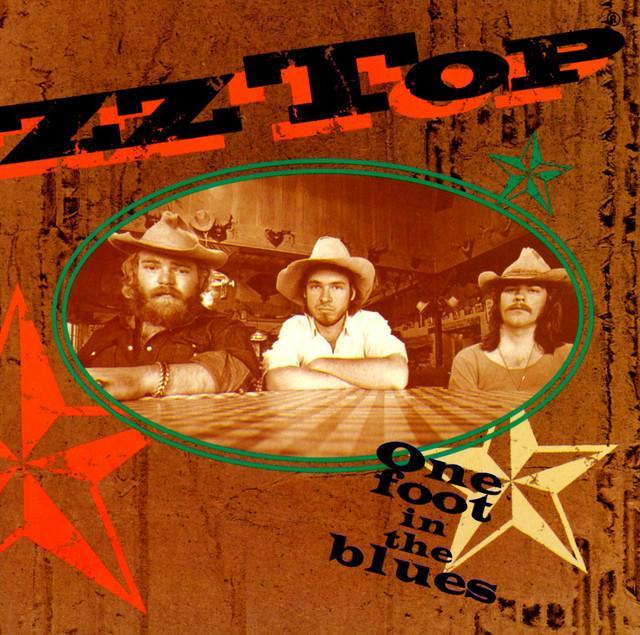
She Loves My Automobile by ZZ Top
A fast joke with a sharp point
The meaning of She Loves My Automobile ZZ Top starts with a simple punchline: the singer thinks a woman is attracted less to him than to his car. That idea makes the song funny, but it also gives it a little sting. Beneath the grin, they frame romance as a contest between human connection and shiny status.
"She Loves My Automobile" - ZZ Top
She don't love me, she love my automobile.
Well she would do anything just to slide behind the wheel.
Loading lyrics...
Unable to load lyrics
We're unable to display the lyrics at this time. Please try again later.
Released on ZZ Top's 1979 album Degüello, the track lasts just over two minutes, and that matters. It does not build a deep love story. Instead, it delivers a quick, witty blues sketch about desire, ego, and American car culture.

Watch the official She Loves My Automobile
music video
What the song is really saying
On the surface, the narrator complains that she don't love me
; in his view, she loves the machine. That hook is repeated so often because it is the whole joke and the whole wound. He may sound amused, but he also sounds replaced.
Interpretation: The song is not only about one woman. It can also be heard as a comic song about how objects create status. The automobile becomes proof of coolness, freedom, and masculinity. If someone wants the car more than the driver, then the driver's identity starts to feel borrowed from what he owns.
That is why the title line lands. It turns a brag into an insecurity. The singer has something desirable, but he cannot be sure he is desirable on his own.
How the verses build the joke
Cars, sex, and bargaining
The first verse presents the setup: she wants to get close to the car, even eager to slide behind the wheel
. In plain terms, her attraction seems tied to driving it, touching it, and being seen in it.
Then the song adds flirtation. When she asks him to lay your top on down
, the line works literally if they are in a convertible, but it also sounds teasing and sexual. ZZ Top often played with double meanings, and here they keep both ideas active at once.
when we get to the outskirts of townThe song hints that privacy, freedom, and desire all increase once they leave town behind.
That moment matters because cars in blues and rock songs often mean mobility. Once they are outside social rules and public eyes, the car becomes a moving private room.
What the last verse changes
The final verse makes the relationship sound even less romantic. She does not care whether he is stoned or sloppy drunk
. What matters is that she has the keys and a spare tire. That is funny because it is so blunt, but it is also the clearest evidence that he feels used.
Interpretation: This ending pushes the song away from simple lust and toward satire. The woman is written as practical, even opportunistic. The singer, meanwhile, sounds half-proud and half-embarrassed that his value may begin and end with the vehicle.
The blues tradition behind the humor
ZZ Top built the song from blues language and blues attitude. The writing uses repetition, direct talk, and a boast-complaint style that goes back to electric blues records. The credited writers are Billy Gibbons, Dusty Hill, and Frank Beard, the classic ZZ Top trio.
That matters for meaning. In blues, a singer can complain while also showing off. They can be the victim and the winner in the same breath. Here, the narrator says he is not loved for himself, yet he still gets to present himself as the man with the coveted car.
So the song balances three tones at once:
- self-mockery
- masculine swagger
- sexual comedy
That mix is why it feels light on first listen but sharper on a second one.
Why the sound sells the idea
Short, greasy, and confident
The music is crucial to the meaning of She Loves My Automobile ZZ Top. The track rides on a compact blues groove: crunchy guitar, steady drums, and a bass line that keeps the song moving like a low, rumbling engine. There is no need for fancy arrangement because the point is attitude.
On Degüello, ZZ Top were returning from a break and updating their sound while staying rooted in blues and boogie. The album was produced by Bill Ham and recorded during a transitional period for the band, as noted in album documentation. That context helps explain why the song feels both traditional and tight. It sounds old-school in structure but modern in its stripped-down efficiency.
Billy Gibbons' guitar tone is especially important. It has grit, heat, and humor. He does not play like the song is tragic. He plays like he is smirking through it. That keeps the complaint from turning bitter.
Vocal delivery as meaning
The vocal is relaxed and dry, almost tossed off. That casual delivery tells listeners not to take the story as a confession of heartbreak. They present it more like a barstool anecdote, the kind of story told for laughs because admitting the truth too directly would hurt the ego.
A song about America as much as romance
Cars have long been symbols of freedom in American music, but this song tweaks that idea. Instead of liberation, the car creates suspicion. Instead of romance, it attracts performance. Instead of intimacy, it offers image.
That is what gives the song its staying power. Many listeners know the feeling behind it even outside dating: wondering whether people like them, or simply what they represent. The automobile is the flashy stand-in for money, style, and access.
Final take under the hood
The best reading is that ZZ Top turn a small blues joke into a comment on desire and status. The singer enjoys the attention, but he also knows it may be aimed at the chrome, not the man. That tension is the engine of the track.
In the end, the meaning of She Loves My Automobile ZZ Top is both playful and pointed: people may chase freedom, sex appeal, and image through a car, but those things can blur the line between being wanted and being useful.
Disclaimer: This interpretation combines lyrical reading, musical context, and known album facts. As with most songs, listeners may hear different meanings.







