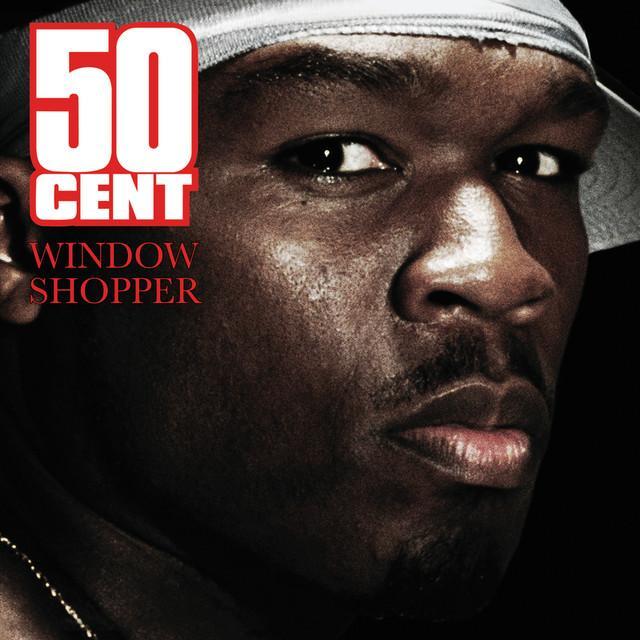
How "Window Shopper" Turns Envy Into Theater
The meaning of Window Shopper 50 Cent comes down to a simple but sharp idea: success attracts attention, and not all of that attention is friendly. In this song, they frame wealth as something visible, almost staged in a storefront window, while other people stand outside looking in.
"Window Shopper" - 50 Cent
The top feel so much better than the bottom
So much better
Loading lyrics...
Unable to load lyrics
We're unable to display the lyrics at this time. Please try again later.
Released in 2005 as part of the soundtrack for Get Rich or Die Tryin', the song arrived during 50 Cent's commercial peak, after the breakout of Get Rich or Die Tryin' and The Massacre. That timing matters because the song plays like a victory lap. It is less about struggle itself than about what happens after winning: people stare, compare, and grow bitter. The track is widely credited to Curtis Jackson, with interpolation from Bob Marley due to its use of melodic material tied to Marley's catalog.
The Real Target of the Song
At the center of the song is a taunt. When 50 Cent calls someone a window shopper
, they are not just saying that person is broke. They are saying that person is stuck in the role of observer.
That image matters because the song is about distance. The people in the hook can look at jewelry, cars, and status, but they cannot fully claim them. In that sense, the song turns shopping into a metaphor for social comparison.
Interpretation: The deeper insult is not poverty alone. It is powerlessness. The song suggests that envy comes from seeing another person's life up close while feeling locked out of it.

Watch the official Window Shopper
music video
Why the Hook Hits So Hard
The chorus is catchy because it is built on scenes everyone understands. A person in a store, a person at a dealership, a person watching someone else drive by. Those are everyday settings, but 50 Cent turns them into status tests.
When they rap about being mad at me
, the hook makes jealousy sound obvious and almost predictable. That is why the chorus feels bigger than a personal insult. It describes a whole social habit: watching winners and resenting them.
The repetition also matters. Each return to the title phrase keeps reducing the opponent to one identity. They are not a rival, and they are not a threat. They are just someone looking through glass.
Verses About More Than Money
The first verse shows luxury, but it also shows danger. Alongside flashy cars and stacked money, there are lines about moving carefully and staying armed. That mix is important to the meaning of Window Shopper 50 Cent.
They present wealth as public proof of success, yet they also remind listeners that success does not erase street tension. In other words, the song is not only celebrating riches. It is showing how fame and money can make a person more visible, and therefore more exposed.
Later, the song moves into travel, sex, and celebrity access. Here, success is not just what they own but where they can go and who wants to be around them. The flex becomes larger than material goods. It becomes lifestyle.
Artist Persona and Mid-2000s Context
This song works because it fits 50 Cent's image so well. By 2005, they had built a brand around survival, toughness, and financial triumph. Songs, interviews, and videos all pushed the same message: they had gone from danger to dominance.
That public persona makes "Window Shopper" feel believable within their catalog. It also explains why the song lands with humor instead of just anger. The mockery sounds relaxed because the speaker believes the battle is already over.
Interpretation: The song can be heard as a performance of control. They are not pleading for respect; they are acting like respect has already been settled.
How the Beat Sells the Message
Production is a big part of why the track remains memorable. The beat is bright, slick, and easy to ride, which gives the song a playful surface. Instead of sounding paranoid or furious, it sounds almost amused.
That choice matters. A darker beat might have made the song feel defensive. This one feels like a parade lap. The groove supports the lyrics by making wealth sound effortless.
The vocal delivery adds to that effect. 50 Cent does not rush. They glide through the insults with calm control, which makes phrases like you can't buy
and test drive
hit harder. The tone says the speaker is not worried; they are entertained.
Symbols Hiding in Plain Sight
Several images repeat across the song:
- Store windows: desire without access
- Cars: mobility, rank, and visibility
- Jewelry: proof of earned status
- Driving by: public display of success
These symbols are simple, which is part of the song's strength. The listener does not need a complex backstory to understand them. Everyone knows what it means to want something they cannot have.
One of the smartest details is the public setting. Envy here is not private or secret. It happens in plain view, where everybody can watch the comparison happen.
A Song About Looking, Judging, and Performing
The most lasting idea in the song may be that fame turns life into display. The wealthy person becomes an object people study. The watchers measure what they lack, then turn that feeling into resentment.
That is why the song still connects beyond its era. Even outside rap, modern culture runs on display and comparison. Social media did not invent the feeling in "Window Shopper," but the song predicted its logic well: one person shows off, another person looks, and emotion fills the gap.
Final Take on the Meaning
The meaning of Window Shopper 50 Cent is not just that success feels good. It is that success becomes a public mirror, reflecting other people's frustration back at them. The song turns envy into a scene everyone can picture, then uses humor and swagger to make that scene unforgettable.
Interpretation disclaimer: This reading is an informed interpretation based on the lyrics, 50 Cent's public persona, and the song's production context. Different listeners may hear its balance of bragging, satire, and social commentary differently.








