Why “My Savior My God” Feels So Personal
The meaning of My Savior My God Aaron Shust starts with a simple tension: faith does not remove mystery. Instead, the song says a believer can admit confusion and still trust Christ. That balance is why the track has lasted in Christian radio and worship spaces.
"My Savior My God" - Aaron Shust
What God has willed, what God has planned
I only know at his right hand
Loading lyrics...
Unable to load lyrics
We're unable to display the lyrics at this time. Please try again later.
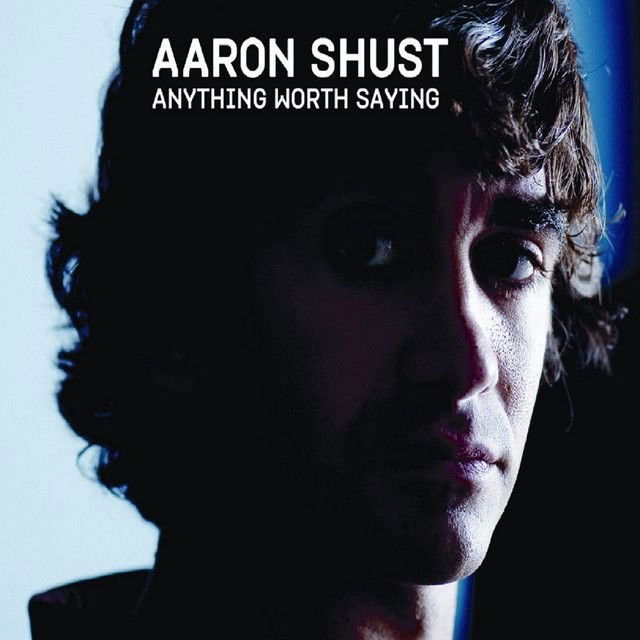
Aaron Shust released the song on his debut major-label album Anything Worth Saying, and it became his breakthrough hit, earning strong recognition in Christian music circles, including honors connected to GMA Dove Awards and chart success noted by Billboard. Those facts matter because the song was never just a private prayer. It became a shared statement of belief for many listeners.
A Song About Trust More Than Certainty
At its core, the song is about choosing faith without claiming total understanding. The opening thought admits human limits with not skilled to understand
. In plain terms, the speaker says they cannot fully explain God’s will or every part of divine planning.
That idea is important because the lyric does not treat doubt and faith as enemies. Instead, it presents faith as a response to mystery. The song’s speaker knows enough to trust the person of Jesus, even if they do not know everything else.
Interpretation: This makes the song especially powerful for listeners who feel unsure, grieving, or spiritually overwhelmed. It offers a model of belief that starts with humility rather than certainty.

Watch the official My Savior My God
music video
The Verses Move From Head Knowledge to Heart Need
The first verse centers on what the speaker cannot grasp. The next verse shifts toward what they can accept: Christ’s saving work. When the lyric says I take him at His word
, it frames faith as reliance, not mastery.
Then the song gets more personal. It says the speaker finds an inward need for Christ to be Savior. That move matters. The lyric is not only about doctrine read on a page; it is about a truth becoming urgent in the heart.
A Clear Spiritual Timeline
The song’s message unfolds in a simple order:
- They admit limited understanding.
- They accept the gospel message by faith.
- They recognize a personal need for salvation.
- They reflect on Christ’s sacrifice.
- They answer with praise and confidence.
That structure helps explain the song’s broad appeal. It follows the shape of testimony: confusion, realization, belief, and assurance.
Why the Chorus Lands So Hard
The chorus is where private belief becomes public declaration. Phrases like My Savior Loves
and My Savior Lives
are brief, but they carry huge theological weight. One points to ongoing love; the other points to resurrection and present life.
The next idea is just as central. By repeating that God was
, is
, and will always be, the chorus stresses constancy. In everyday language, the singer is saying that God does not expire, shift, or disappear when life gets unstable.
Interpretation: This is why the chorus feels reassuring rather than merely triumphant. It is not boasting. It is steadying itself.
The Most Important Theme: Jesus as Both King and Savior
One of the song’s strongest ideas is that Jesus is both exalted and sacrificial. The lyric reflects on Christ leaving heaven and dying for sinful people, then later names Him as King. That pairing keeps the song from becoming one-dimensional.
He is not only close and comforting. He is also holy and reigning. The line about the one who once died to be my Savior
now living as King compresses the whole Christian story into one thought: death, resurrection, and ongoing rule.
That helps explain why the song works in both personal devotion and church worship. It speaks to private need, but it also lifts the focus upward.
How the Sound Supports the Message
Musically, “My Savior My God” fits the mid-2000s contemporary Christian style: acoustic guitar, clean percussion, a warm vocal lead, and a gradual build. The arrangement supports the lyric by staying open and uncluttered.
That production choice matters. A song about trust and surrender can lose impact if it sounds too busy or theatrical. Here, the melody is easy to sing, and the dynamic rise gives the chorus a feeling of earned confidence.
Interpretation: The sound mirrors the lyric’s path. It begins with reflection, then opens into conviction. The music does not argue; it assures.
A Bridge Between Hymn Language and Modern Worship
Shust’s version also feels rooted in older Christian language. The wording about God’s will, Christ’s saving death, and the believer’s response echoes hymn tradition more than casual pop writing. At the same time, the repeated chorus gives it the accessibility of modern worship music.
That blend is a major reason the song connected so widely in the United States. It feels doctrinal without sounding academic. It feels emotional without becoming vague.
Final Take on the Song’s Meaning
The meaning of My Savior My God Aaron Shust is not complicated, but it is deep. The song says believers do not need perfect understanding to have real faith. They can begin with limits, move toward trust, and rest in a Savior who loves, lives, and remains unchanged.
That is why the song still resonates. It offers assurance to people who cannot explain everything but still want something solid to hold onto.
Disclaimer: This interpretation is based on the released lyrics, recorded performance, and publicly known career context. As with any song, listeners may hear personal meanings beyond this reading.









