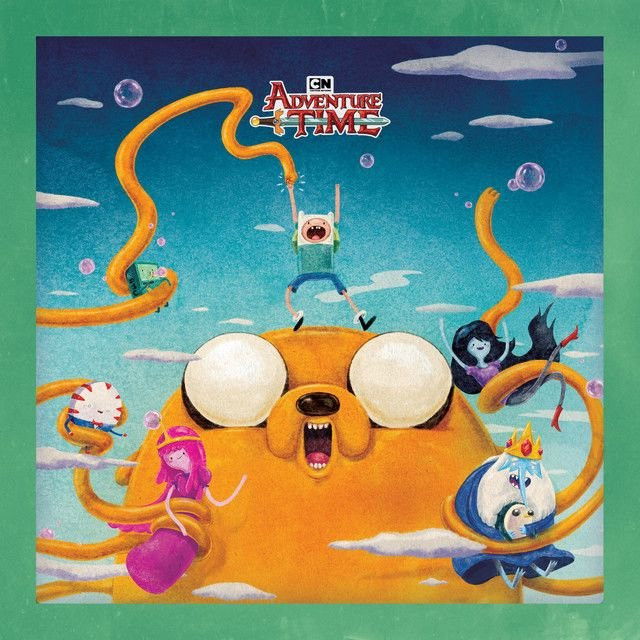
Why 'Good Little Girl' Is a Flirty Fake-Out
The meaning of Good Little Girl Adventure Time, Donald Glover, Madeleine Martin, Roz Ryan comes down to a smart bait-and-switch. The song sounds like a classic bad-boy seduction at first. Then it turns into something funnier and more revealing: a clash between image and reality.
"Good Little Girl" - Adventure Time ft. Donald Glover, Madeleine Martin, Roz Ryan
Hey
Good little girl
Loading lyrics...
Unable to load lyrics
We're unable to display the lyrics at this time. Please try again later.
In the Adventure Time universe, Fionna and Cake are gender-swapped counterparts to Finn and Jake, with Fionna voiced by Madeleine Martin and Cake by Roz Ryan, while Marshall Lee is voiced by Donald Glover. Those character facts are well documented in franchise references such as the Adventure Time character listings (Wikipedia). The song uses that playful alternate-world setup to stage a tiny drama about identity, attraction, and friendship.
A Tiny Duet With a Bigger Point
At surface level, the scene is a musical argument. Marshall Lee calls Fionna a good little girl
and casts himself as the dangerous opposite. She answers by calling him a bad little boy
, but she does not fully accept the persona he is selling.
That back-and-forth matters. The song is not simply saying opposites attract. It is showing how one person performs a role and how the other person questions it. Marshall Lee wants control of the story. Fionna keeps interrupting that script.
Interpretation: the core theme is not evil versus innocence. It is performance versus honesty.
Watch the official Good Little Girl
music video
The Real Conflict Is About Labels
Marshall Lee keeps naming himself as dark and threatening. He says he is a villain
and from the Nightosphere
, which gives his lines a fantasy-horror edge. In plain language, he is trying to sound irresistible by sounding dangerous.
Fionna does not buy it. She more or less says that if he is truly that bad, why does he want her company at all? That is a sharp question. It exposes the weakness in his act.
Instead of letting his words define him, she looks at his behavior. He is hanging around her. He is singing to her. He is looking for attention and connection. That makes him seem less like a monster and more like a teenager trying to impress someone.
How the Lyrics Build the Push and Pull
The song works because each side is doing something different.
- Marshall Lee builds a myth around himself.
- Fionna pokes holes in that myth.
- The duet turns from flirtation into confusion.
- The ending reveals they are not even using the same emotional language.
The sharpest moment comes late, when Fionna basically says she is here because you’re my friend
. That line flips the whole setup. Marshall Lee has been framing the encounter as temptation. Fionna reframes it as closeness without romance.
That is why the song is funny. It sets up one story and lands on another.
Donald Glover’s Performance Sells the Joke
A big part of the song’s meaning comes from performance, not just words. Donald Glover voices Marshall Lee with swagger, rhythm, and a playful sense of menace. He sounds like someone enjoying the role of troublemaker.
Madeleine Martin answers with firmness and impatience rather than surrender. Her delivery keeps the scene grounded. Roz Ryan’s interruption near the end helps break the tension and reminds the audience that this is still Adventure Time: odd, musical, and self-aware.
Interpretation: if Glover sang the part too seriously, the number could feel overdramatic. Because he leans into charm and exaggeration, the song reads as character comedy with real emotional subtext.
The Sound Is Light, Even When the Words Are Dark
Musically, the number is brief and theatrical. It moves like a cartoon mini-musical, not a fully produced radio single. That matters because the arrangement keeps the mood airy even when Marshall Lee talks about being sinister.
The contrast between spooky imagery and bouncy delivery creates the song’s tone. Listeners hear darkness, but they also hear parody. Even the absurd food joke around hot potato
and tomatoes breaks any illusion that this is a serious anthem of evil.
That choice supports the theme: Marshall Lee’s darkness is stylized. It is part truth, part costume.
Character Context Makes the Song Smarter
Within Adventure Time, Fionna, Cake, and Marshall Lee exist in a remix of the main series’ character dynamics. Fionna and Cake were introduced as alternate versions of Finn and Jake, and later lore expanded their world in major ways (Wikipedia). That built-in mirror effect helps explain why this song feels familiar and offbeat at once.
It borrows a recognizable trope: the dangerous boy and the good girl. Then it twists that trope. Fionna is not passive. Marshall Lee is not fully in control. The result is a playful critique of the very roles the song pretends to embrace.
So What Is “Good Little Girl” Really Saying?
The best reading is simple: the song is about the gap between how people market themselves and what they actually want. Marshall Lee advertises danger. Fionna notices vulnerability, ego, and maybe loneliness under that mask.
A second reading is that the song pokes fun at the whole “bad boy” fantasy. When he boasts, she answers with common sense. When he aims for seduction, she offers friendship. That mismatch is the point.
In the end, the meaning of Good Little Girl Adventure Time, Donald Glover, Madeleine Martin, Roz Ryan is less about romance than roleplay. It shows two characters negotiating who they are to each other, with music turning that confusion into comedy.
Final takeaway
What makes the song memorable is not just its catchy teasing. It is the way it reveals character through contradiction. One person says, “Fear me.” The other person basically replies, “They know better.”
Disclaimer: This article offers interpretation based on the lyrics, performances, and franchise context. Song meaning can remain open to different readings.









