What 'Rag Doll' by Aerosmith Is Really Selling
The meaning of Rag Doll Aerosmith starts with swagger, but it does not end there. On the surface, this is a flashy, funny, hard-rock single about sex, style, and the thrill of a dangerous woman. Under that surface, it also shows how Aerosmith turned blues references, street-scene imagery, and '80s excess into a song about desire as spectacle.
"Rag Doll" - Aerosmith
Rag Doll livin' in a movie
Hot tramp Daddy's little cutie
Loading lyrics...
Unable to load lyrics
We're unable to display the lyrics at this time. Please try again later.
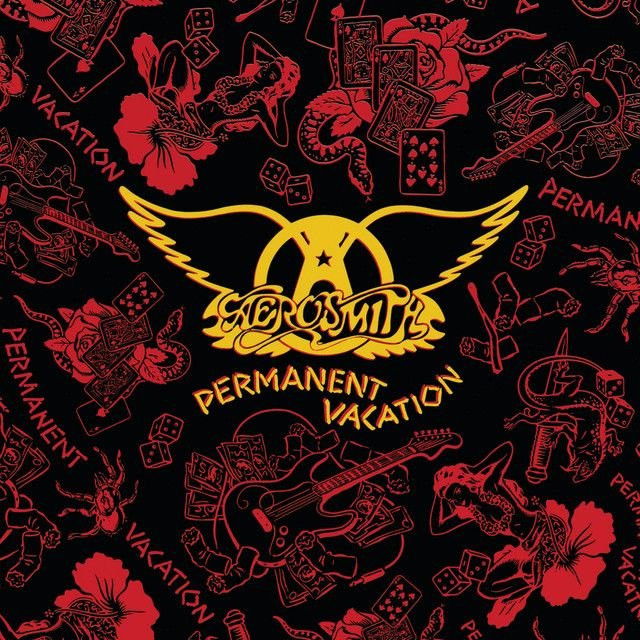
Released on Permanent Vacation in 1987 and issued as a single in 1988, “Rag Doll” became one of the songs that helped prove Aerosmith's comeback was real. It reached No. 17 on the US Billboard Hot 100 and was produced by Bruce Fairbairn. Research on the track also points to Joe Perry's riff, Jim Vallance's bass contribution, and Holly Knight's role in refining the title and lyric shape.
The Hook Turns Desire Into Theater
At its core, the song presents a woman as a larger-than-life figure. The chorus frames her as someone glamorous, sexual, and slightly unreal, summed up in the phrase livin' in a movie
. That image matters because it makes attraction feel staged. She is not introduced as an ordinary person; she arrives like a screen fantasy.
The title Rag Doll
adds another layer. A rag doll can sound cute or sexy in rock language, but it also suggests something handled, posed, or projected onto. Interpretation: that makes the song more complicated than a simple party anthem. The singer sounds excited, yet the woman is often described more as an image than a voice.

Watch the official Rag Doll
music video
Verse Images: Glamour, Trash, and Old-School Cool
The verses move through slangy, fast-cut scenes rather than a clear plot. They mention crowds, gossip, old dreams, flashy movement, and hustling energy. Phrases like new crowd
and old scene
suggest a world where nothing is totally new. Fashion, sex appeal, and social climbing all seem to repeat in cycles.
That is why the song feels both modern and retro. It is packed with references that sound old-fashioned, bluesy, or vaudevillian, then delivered with loud '80s rock force. Even the woman at the center feels split between grit and glamour: she is attractive, streetwise, and wrapped in performance.
The Chorus Sells Access and Escape
The chorus is catchy because it mixes invitation with motion. The singer wants closeness, but the song also keeps hinting at entrances, exits, and hidden paths. The line back door
is especially important.
Research commonly connects that phrase to the blues tradition of the “back door man,” giving the song a sexual double meaning. In plain terms, Aerosmith are borrowing old blues language to make the seduction feel mischievous and knowing. The woman is desirable partly because she seems hard to pin down.
Hot time get it while it's easy
Don't mind come on up and see me
Those lines are less about romance than urgency. They make pleasure sound immediate, casual, and theatrical. The Mae West-style invitation in come on up and see me
adds more old-Hollywood flirtation.
Who Is Speaking Here?
The narrator is boastful, restless, and clearly chasing excitement. When they say I'm feelin' like a bad boy
, the song shows the speaker as part of the performance too. He is not calmly describing events. He is acting out a role.
That matters for interpretation. The song is not a balanced portrait of a relationship. It is a rush of male desire, ego, and fantasy. The woman remains partly out of reach, and that distance gives the track its tension. She is admired, pursued, and turned into myth all at once.
Why the Music Makes the Meaning Stronger
“Rag Doll” works because the arrangement supports the lyrics at every turn. Sources note Joey Kramer's opening drum pattern, Joe Perry's slide or steel guitar, and horns arranged for a strong New Orleans flavor. Those details give the song a strut instead of a straight-ahead stomp.
The result is crucial to the meaning of Rag Doll Aerosmith. The horns and slide guitar make the track sound greasy, playful, and a little theatrical. It feels like a parade, a bar band, and a glam-metal single at the same time.
That blend also explains why the song sounds different from a darker Aerosmith track. Rather than treating lust as tragic, “Rag Doll” makes it bounce. Even risky lines like tap dancing on a land mine
turn danger into showmanship.
Context From Aerosmith's Comeback Era
By the late 1980s, Aerosmith were rebuilding their career with bigger hooks and sharper production. Permanent Vacation was a key part of that return, and “Rag Doll” fit the moment: blues roots dressed in MTV color. The video, filmed in New Orleans during the band's 1988 tour, pushed the same rowdy street-party mood.
Holly Knight later said she was brought in to help "fix" the song and helped shift the title from the earlier “Rag Time” toward “Rag Doll.” That history helps explain why the final version sounds so focused. It has the looseness of a jam, but the hook is polished and commercial.
Final Take: Fun Song, Uneasy Undercurrent
So what is “Rag Doll” really about? Factually, it is a hard-rock hit built on sex, blues references, and flamboyant attitude. Interpretation: beneath that fun surface, it is also about turning attraction into display. The woman becomes a symbol of glamour, class fantasy, and erotic mystery, while the singer performs his own swagger beside her.
That tension is why the song lasts. It is catchy and funny, but it also reveals how rock songs can celebrate desire while flattening the person being desired.
Disclaimer: This interpretation is based on the song's lyrics, sound, and documented history. Like most popular songs, “Rag Doll” can support more than one reading.









