Take Me to the River by Al Green
A Soul Classic Pulled Between Desire and Grace
The meaning of Take Me to the River Al Green starts with a conflict: a person feels trapped by love, but the song keeps reaching for something holier than romance. On the surface, it sounds like a plea to a lover. Underneath, it sounds like a prayer.
"Take Me to the River" - Al Green
A cousin of mine who's gone on, but we'd like to kinda carry on in his name
I sing
Loading lyrics...
Unable to load lyrics
We're unable to display the lyrics at this time. Please try again later.
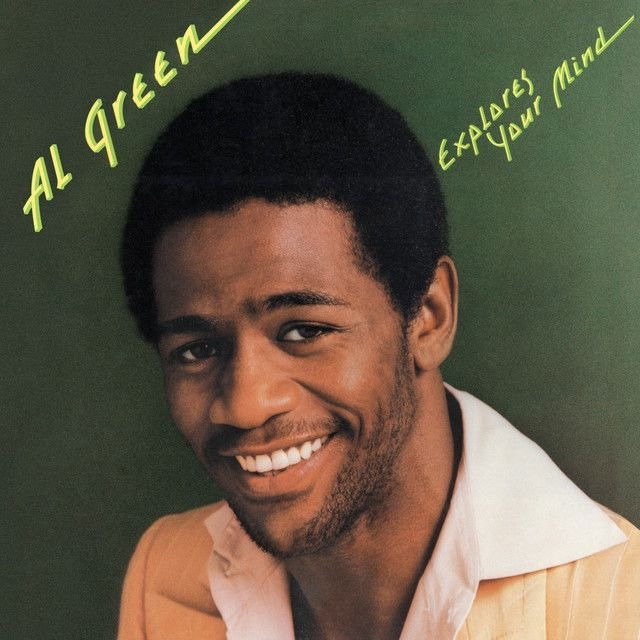
Released on Al Green Explores Your Mind in 1974, the song was written by Al Green and Mabon “Teenie” Hodges and produced by Willie Mitchell. It later earned major recognition, including induction into the Grammy Hall of Fame. That lasting reputation makes sense, because the song turns a simple soul setup into a deeper struggle over body, heart, and soul.

Watch the official Take Me to the River
music video
The Story in the Verses: Love That Feels Like a Trap
The verses present a speaker who cannot break free from a damaging relationship. They admit they still care, even after being mistreated. Phrases like I don't know why
and treated me so bad
show confusion more than confidence.
This matters because the song is not about happy love. It is about attachment that survives disappointment. The narrator sounds embarrassed by their own weakness, especially when details like stolen money or cigarettes make the romance feel messy and real, not idealized.
There is also a youthful memory running through the song. The mention of sweet sixteen
suggests first desire, first heartbreak, and the kind of emotional imprint that lasts for years. That gives the song a haunted quality. They are not only dealing with one bad relationship; they may be dealing with the memory of how desire first took hold.
Why the Chorus Changes Everything
Then the chorus opens into something bigger. Instead of only asking the lover for comfort, the song asks to be washed, cleansed, and steadied. The key phrase Take me to the river
turns emotional pain into spiritual hunger.
Take me to the river
And wash me down
Won't you cleanse my soul
Put my feet on the ground
Even without quoting more, the meaning is clear: the speaker wants renewal, not just affection. They want rescue from confusion. The request to be washed suggests baptism, forgiveness, and a fresh start.
Songfacts reports that Green said the river image came from watching Reverend James Turner perform a baptism in Arkansas, and Green explained that a person who can “cleanse your soul” must be more than an ordinary romantic partner. That comment is important context. Factually, Green connected the chorus to a religious experience. Interpretation: the song’s power comes from placing earthly desire next to a plea for divine help.
Gospel and Soul in the Same Breath
Al Green’s career always sat between the church and the juke joint. He grew up with gospel, became an ordained minister a few years after this song, and often blurred sacred and secular feeling in his music. “Take Me to the River” may be the clearest example of that blend.
The lyrics move back and forth between temptation and redemption. One moment the song is intimate and needy. The next, it sounds like someone kneeling at an altar. That tension is not a flaw; it is the theme.
Interpretation: the song suggests that romantic obsession can make a person feel spiritually off balance. The river becomes a place where they hope desire can be purified, or at least understood.
How the Music Carries the Meaning
The arrangement helps sell that dual meaning. Willie Mitchell’s production is smooth but never soft-headed. The groove is relaxed, yet there is a deep pull underneath it. The organ, guitar, rhythm section, and Memphis horns create a humid, late-night setting that feels sensual, while Green’s voice reaches upward with almost gospel intensity.
That contrast matters. The band does not play like a church service, but Green often sings like he is on the edge of one. He stretches words, cries out, and lifts the chorus beyond everyday speech. The result is a song that sounds grounded in the body and aimed at the spirit at the same time.
Writers have long noticed this. In The Independent, Tim de Lisle described the track’s blend of instruments as a subtle, unified flow rather than a hard-edged band performance. That helps explain why the song feels immersive, like being carried into the very river it describes.
A Song with a Long Afterlife
The song’s legacy also shapes how listeners hear it. Green’s original was never the most obvious chart single, but it became canonical. Syl Johnson took a grittier version into the U.S. R&B Top 10 in 1975, and Talking Heads later brought it to No. 26 on the Billboard Hot 100 in 1979.
Those covers prove the song can survive very different styles. Still, Green’s version remains the emotional blueprint because his voice holds the contradiction so naturally. They sound wounded, tempted, and hopeful all at once.
The opening dedication to Junior Parker adds another layer of continuity and tradition. Green frames the performance as an act of carrying something forward. That makes the song feel personal, rooted in family, memory, and Southern soul history.
The Best Way to Read the Song
So what is the meaning of Take Me to the River Al Green? Factually, it is a soul song built around a troubled love story and baptism imagery. Interpretation: it is really about a person realizing that romance cannot fix a spiritual ache.
That is why the song still hits so hard. It understands that people often look for salvation in other people first. Then, after hurt and confusion, they begin asking for something deeper: cleansing, grounding, and peace.
Final Thought on Its Lasting Pull
“Take Me to the River” lasts because it never fully chooses between seduction and salvation. It lives in the space between them, where many great soul songs live.
This article offers an interpretation based on the recording, credited writers, and available artist commentary. Like all lyric analysis, some meanings remain open to the listener.








