Why "Gone Country" Hit a Nerve
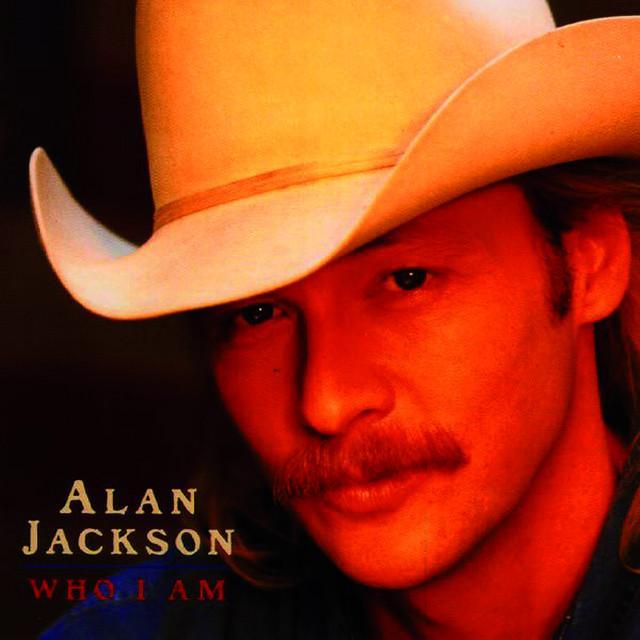
The meaning of Gone Country Alan Jackson comes down to one big idea: country music had become so popular that artists from very different worlds suddenly saw it as their next move. Bob McDill wrote the song, and Alan Jackson turned it into a major hit from Who I Am in 1994. It reached No. 1 on Billboard’s country chart, which fits the song’s message almost too perfectly.
"Gone Country" - Alan Jackson
Every night she looks in the mirror and she only ages
She's been readin' about Nashville and all the records that everybody's buyin'
Loading lyrics...
Unable to load lyrics
We're unable to display the lyrics at this time. Please try again later.
Rather than tell one story, the song gives three quick character sketches. Each person is struggling in another scene, then heads toward country music as a fresh start. That structure makes the song funny, but also sharp.
Three Career Switches, One Big Point
The first verse follows a Vegas performer who has spent years in a lounge act and feels time catching up. She reads about Nashville, sees opportunity, and decides to try again. When the chorus says gone country
and points to look at them boots
, it shows how fast reinvention can become a costume.
The second verse shifts to a Village folk singer. He talks like an idealist, but he also notices that country might pay better. That tension matters. The song suggests that even artists who claim to reject money can still follow the market when their own scene dries up.
The third figure is a trained composer near Los Angeles, pressed by bills and family pressures. They present country as practical, almost like a safer business plan. By the end, the pattern is clear: country is not just a genre here. It is a destination for people seeking survival, acceptance, or a new brand.

Watch the official Gone Country
music video
The Chorus Turns Satire Into a Trend Report
The chorus is catchy on purpose. It repeats back to her roots
and a new kind of suit
, which is the key joke. The song keeps asking whether this move is authentic or just stylish.
Interpretation: McDill seems to be poking at both ideas at once. Some characters may truly feel drawn to country’s plain-spoken image. Others seem to be changing clothes, speech, and attitude to fit a market that is suddenly hot.
That is why the ending hits harder than the early verses. When the song expands into Everybody's gone country
, it stops being about three people and starts sounding like a cultural takeover. Country is no longer a niche. It is the center of attention.
Why Alan Jackson Was the Right Voice
Alan Jackson was a strong fit for this song because his public image already stood for traditional country values in a changing 1990s scene. According to Songfacts, Jackson later said he loved the song because it expressed things he wanted to say, while still feeling like fun. He described it as a celebration of country becoming accepted by many kinds of listeners.
That balance matters. In Jackson’s voice, the song does not sound bitter. It sounds amused, confident, and a little protective. They sing as someone inside the genre, watching newcomers arrive with mixed motives.
This context also keeps the song from becoming mean. Jackson is not attacking outsiders as much as observing them. The humor works because country’s growth was real. By the mid-1990s, Nashville had become a powerful commercial center, and crossover ambition was part of the story.
How the Sound Supports the Meaning
Musically, the track sells its point with energy instead of heaviness. Produced by Keith Stegall, the recording blends bright electric guitar, a firm backbeat, and a polished country-rock feel. That mix makes the song sound mainstream enough to prove its own argument: country was big, modern, and marketable.
There is also a clever contrast between form and message. The lyric talks about people changing identities to fit country, while the production itself shows country absorbing rock-sized sheen without losing its core bounce. Deborah Evans Price of Billboard praised it as one of the year’s most talked-about country songs and noted how hard it kicked musically.
Interpretation: That punchy arrangement makes the satire easier to enjoy. If the song were softer or sadder, it might feel judgmental. Instead, it moves like a grin with a steel edge.
A Song About Country’s Boom Years
Factually, the song was released as the third single from Who I Am on November 15, 1994, and it became Jackson’s tenth No. 1 country hit. It was written by Bob McDill, one of Nashville’s most respected songwriters.
Its timing was part of its power. During the 1990s, country was expanding fast in radio, retail, and national culture. So the lyric about outsiders heading to Nashville did not feel abstract. It felt current.
He's gone countryback to his rootsa new kind of suit
Those short lines capture the song’s core tension: is this a homecoming, or a makeover?
The Best Way to Read the Message
The best reading of the meaning of Gone Country Alan Jackson is that it works as both celebration and critique. It celebrates country’s reach and confidence. At the same time, it gently mocks how quickly people adopt the look and language of authenticity when success is on the line.
That double vision is why the song still holds up. It was about the 1990s, but it also speaks to any era when artists cross genres, chase audiences, or repackage themselves.
In the end, the song suggests that country had become too important to ignore. Some came for truth, some came for money, and some probably came for both.
Disclaimer: This interpretation separates documented facts from informed reading. Like most songs, "Gone Country" can support more than one meaning depending on the listener.








