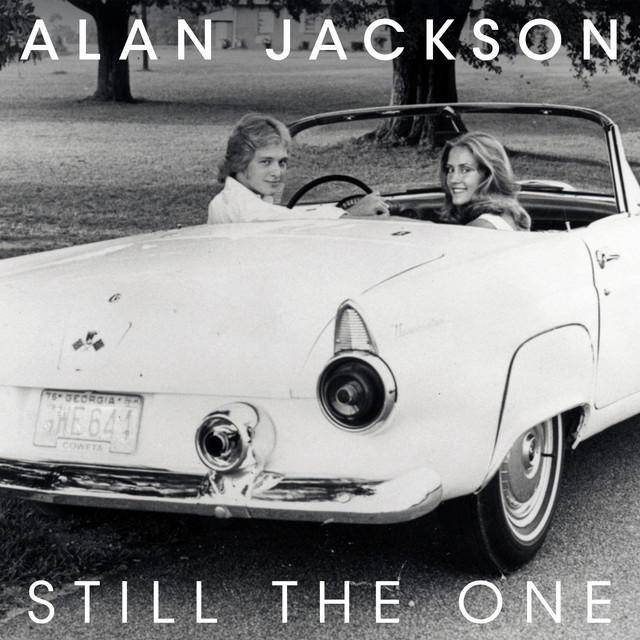
Still The One by Alan Jackson
The meaning of Still The One Alan Jackson comes down to a simple but lasting idea: real love is not perfect, but it keeps choosing the same person over time. The song celebrates a relationship that has survived boredom, distance, age, and everyday irritation without losing its spark.
"Still The One" - Alan Jackson
We've been together since way back when
Sometimes I never wanna see you again
Loading lyrics...
Unable to load lyrics
We're unable to display the lyrics at this time. Please try again later.
Although these lyrics were written by John Hall and Johanna Hall and first released in the 1970s, the song fits Alan Jackson’s country style because it values loyalty, warmth, and plainspoken honesty. It sounds lived-in rather than dreamy. That is what gives the message its staying power.
A Love Song About Staying, Not Chasing
At its core, the song is about long-term commitment. The speaker admits that being together for years does not erase frustration. Early on, they confess there are times they never want to see their partner again. That line matters because it rejects the fantasy that true love is always easy.
But the song quickly turns from irritation to devotion. The repeated idea of still the one
shows that passing time has tested the relationship and also proven it. Instead of asking whether love can survive real life, the song answers yes.
Interpretation: this is not a song about falling in love. It is about choosing love again after the honeymoon period has ended.
The Speaker Sees Love More Clearly With Time
One of the strongest ideas in the lyric is that familiarity can hide value. The speaker says they looked at their partner every day but did not truly see them until they went away. That moment shifts the song from routine into recognition.
Distance becomes a tool for clarity. When the speaker leaves, they suddenly understand what home and intimacy mean. The contrast between desert heat and longing for snow suggests that people often discover what they need by missing its opposite.
Why that contrast matters
This section keeps the song from being a flat love anthem. It adds movement:
- The couple has history.
- Routine dulls appreciation.
- Separation restores perspective.
- Reunion deepens attachment.
That arc gives emotional weight to phrases like turns my head
and makes me laugh
. The partner is not just attractive; they remain mentally and emotionally important.
The Chorus Turns Ordinary Love Into the Point
The chorus is catchy, but its meaning is more thoughtful than it first appears. The speaker lists ordinary forms of closeness: talking in bed, laughing together, physical attraction, shared fun. None of these details are grand or cinematic.
That is exactly the point. The song argues that lasting love lives in daily life. It survives in conversation, humor, touch, and the feeling that one person is still the best company after all these years.
We’re still havin’ fun
and you’re still the one
That brief refrain captures the whole emotional thesis. The relationship has endured not just because of duty, but because joy is still present.
Humor, Desire, and Age All Work Together
Another reason the song feels believable is its mix of tenderness and teasing. The speaker does not describe love in lofty language. Instead, they talk about touch, laughter, dreams, and even a playful line about scratch my itch
. That humor keeps the song earthy and human.
The lyric also faces aging directly. When it says love is goin’ gold
, it links time to value, not decline. Gold suggests durability, richness, and something earned. Then the song adds that even as the couple gets older, the relationship keeps growing new.
Interpretation: that may be the song’s deepest idea. The body ages, habits settle in, and years pile up, but affection can still renew itself.
Why the Country Sound Fits So Well
Even though the song began outside Jackson’s catalog, its imagery and feel align with his musical identity. Alan Jackson is widely known for traditional country values and a direct writing style across his career, as shown in his official biography. That context helps explain why this kind of lyric suits him.
The arrangement heard in country versions of this song leans on familiar roots textures. The lyric itself even calls attention to steel guitar
and fiddle, turning the band sound into part of the celebration. Those instruments matter because they create warmth rather than drama.
How the production supports the meaning
A classic country arrangement would underline the lyric in three ways:
- Steel guitar adds tenderness and memory.
- Fiddle brings lift and communal fun.
- Steady rhythm mirrors the endurance of the relationship.
That combination keeps the song from sounding fragile. Instead, it feels relaxed, confident, and happily seasoned.
A Few Alternate Ways to Read It
There is a straightforward reading: this is a joyful tribute to a spouse or long-term partner. The recurring praise, physical closeness, and everyday intimacy all support that view.
But there is also a second reading. Because the speaker admits conflict and temporary blindness, the song can be heard as a statement of gratitude after nearly losing perspective. In that version, the real subject is not just romance. It is rediscovery.
A third reading is that the song honors companionship as much as passion. The partner is a lover, but also a friend, a comfort, and a familiar center. That helps explain why the song has lasted across genres and generations, including the original 1976 release by Orleans, documented by the Rock & Roll Hall of Fame.
Why the Song Still Connects
The meaning of Still The One Alan Jackson lasts because it speaks to adults who know love is not built from perfect moments alone. It is built from return. The speaker may get annoyed, distracted, or restless, but they come back to the same truth: this is still the person they want beside them.
That message feels comforting because it is honest. The song does not promise a trouble-free romance. It promises recognition, renewal, and fun that somehow survives the years.
Disclaimer: This interpretation is based on the lyrics, performance context, and public artist information. As with any song, listeners may hear different meanings in it.








